Sports Massage for Athletes: A Guide to Recovery and Training Support
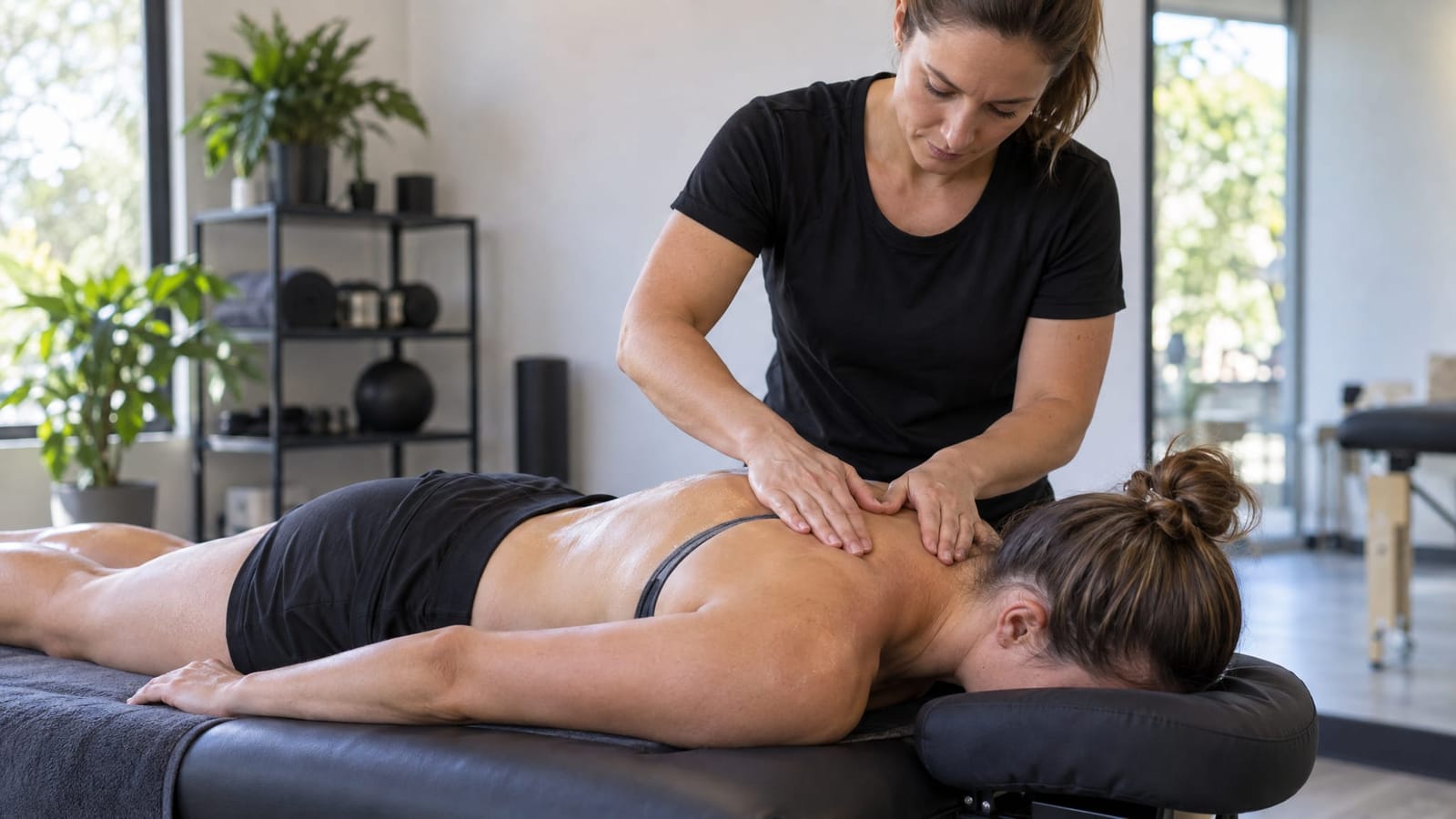
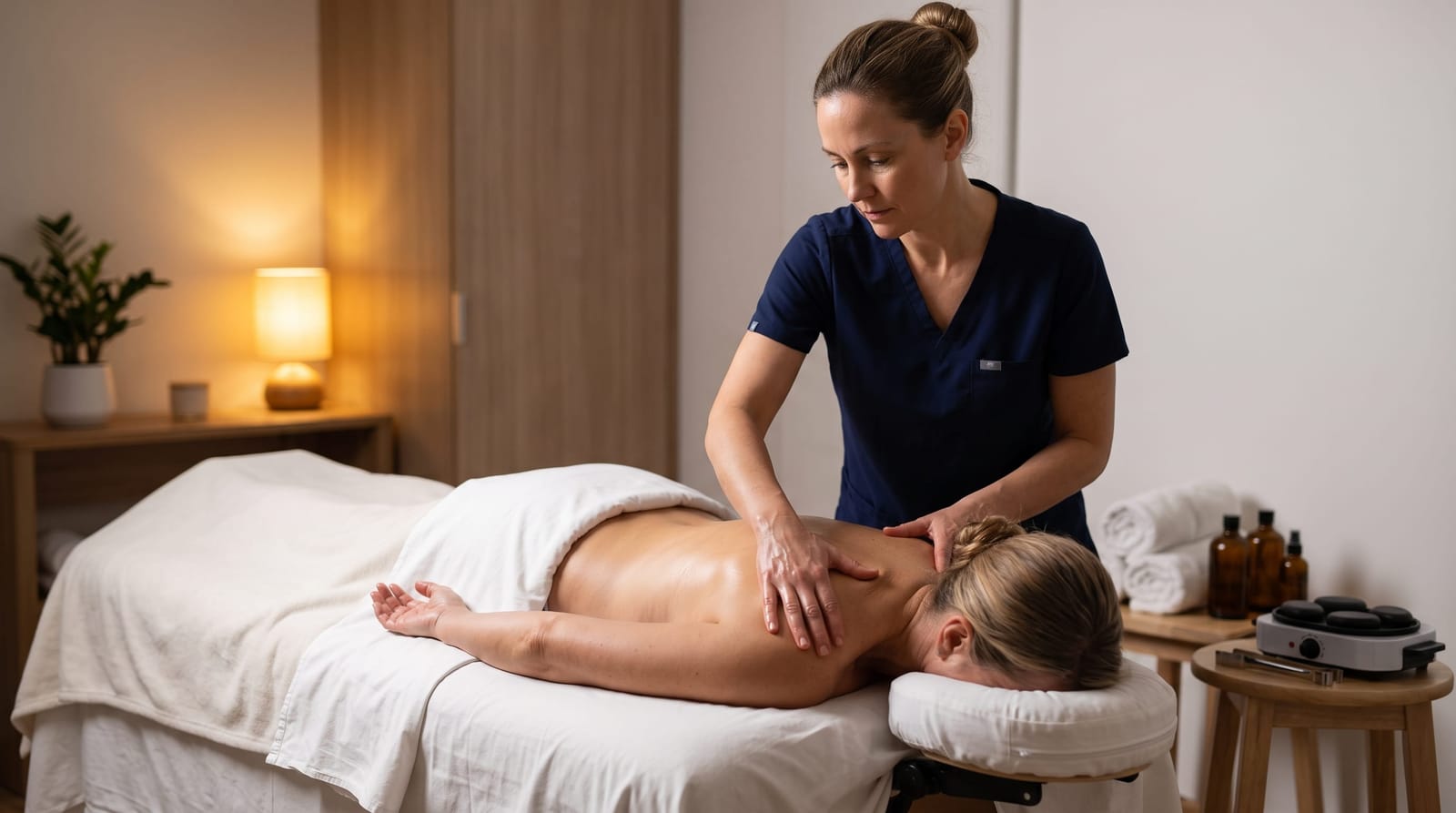
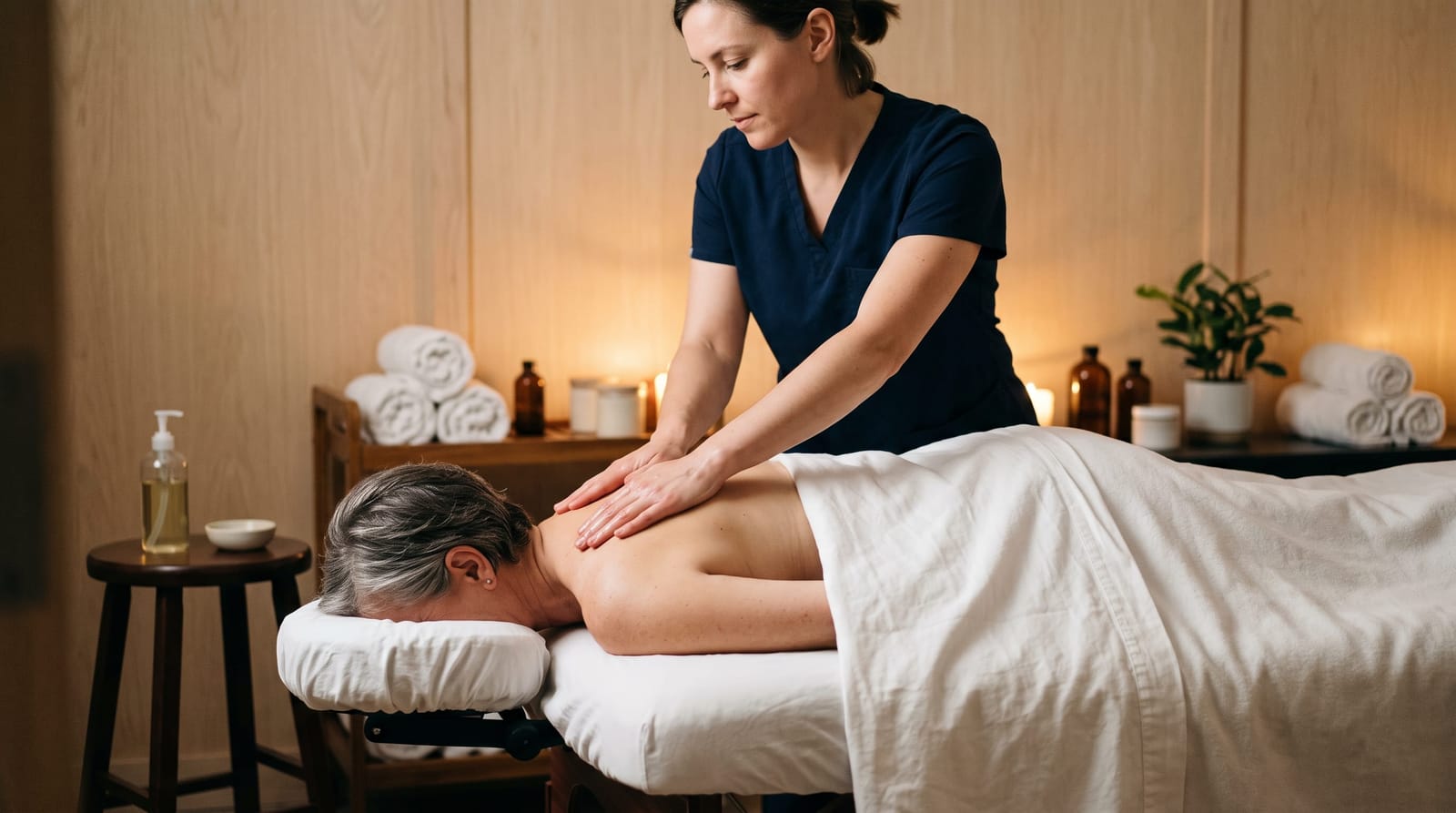
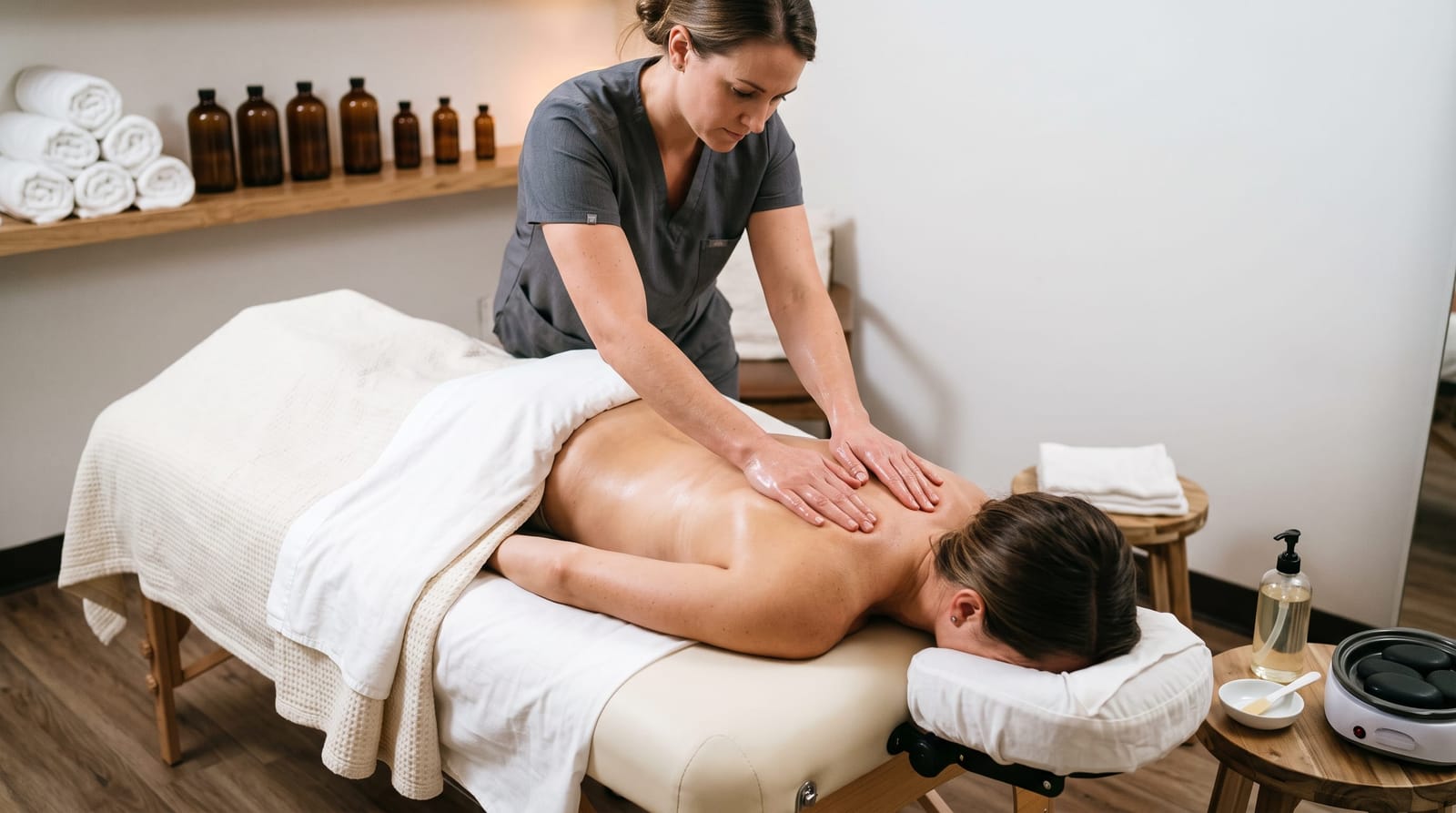
Sports massage is massage planned around your activity, training schedule, and goals. Its practical role is to support comfort and relaxation between demanding efforts. A useful session starts with what you have been doing, how you feel, and what comes next, rather than a request for the deepest possible pressure.
For runners, cyclists, weightlifters, and recreational athletes, timing matters. A session before a competition has a different purpose from one during a lighter training week. Massage can complement training and rest, but feeling less tense is not a test of readiness for another hard workout.
What Makes a Massage Sports-Focused?
Sports massage is defined more by its purpose than by a single technique. It connects hands-on work to the demands of an activity, whether that means distance running, lifting weights, playing recreational tennis, or hiking on weekends.
A sports-focused intake typically covers:
- The movements your activity involves.
- Your recent training volume and intensity.
- Areas that feel tense or uncomfortable.
- Your next workout, competition, or active day.
- Your pressure preferences and previous response to massage.
Those details help shape the session. A cyclist spending long periods in one riding position brings different concerns than a weightlifter practicing overhead movements. Even two runners may prefer very different sessions depending on their schedules and experiences.
Sports massage can include relaxation
Sports massage and relaxation massage are not opposites. A sports-focused session can emphasize relaxation, while a general massage can include attention to a particular area. The distinction is the session’s purpose, not how intense it feels.
When comparing massage options, useful criteria include the therapist’s qualifications, how clearly they explain the approach, and their willingness to adjust pressure and positioning. Respect for your preferences and boundaries matters throughout the session.
What Massage Can Contribute to Recovery
Massage may ease perceived muscle tension and support relaxation. Those experiences can be valuable without being treated as evidence of faster healing, greater strength, or improved endurance.
Describe fatigue, soreness, and tension separately
Fatigue is a reduced sense of energy or capacity for effort. Soreness is discomfort, often noticed after unfamiliar or demanding exercise. Tension is a feeling of tightness. These words describe different experiences, even though athletes sometimes use them interchangeably.
During an intake, a clear description is more useful than a self-diagnosis. Helpful details include where you notice the sensation, when it began, and whether it appears during exercise, afterward, or at rest. A recent change in training provides additional context.
Evaluate comfort separately from performance
Feeling less tense or more comfortable during ordinary movement is a reasonable session goal. Running faster, lifting more, or returning to sport after an injury involves different questions.
Massage does not replace the rest needed after demanding activity. Training progression, technique, equipment, and individual health also influence how an activity fits into your routine. Keeping those factors separate makes it easier to judge what a massage session contributes.
Common Sports Massage Techniques, Explained
A sports massage can combine several approaches. The technique name is only a starting point. Pressure, pace, positioning, and the area receiving attention shape the experience.
Broad, gliding strokes
Longer strokes across a larger area are often associated with Swedish massage, but they can also appear in sports massage. This broader work can suit a session centered on relaxation rather than sustained attention to one small area.
Gentler work is not automatically less useful. The relevant question is whether it fits your comfort and the agreed purpose of the session.
Deep tissue work
Deep tissue massage generally uses slower, more focused work directed toward deeper layers of muscle and surrounding tissue. It is not simply an instruction to apply as much pressure as possible.
Sports massage and deep tissue massage overlap, but they describe different things. Sports massage identifies the activity-related purpose. Deep tissue describes an approach that might be included. An athlete can receive a sports-focused massage without receiving deep pressure.
Pressure is something to discuss and adjust, not an endurance challenge. Your preferences, sensitive areas, and feedback during the work all help guide the session.
Myofascial techniques
Fascia is connective tissue that surrounds and connects structures throughout the body. Techniques described as myofascial release generally involve slower, sustained pressure or gentle stretching directed at muscles and surrounding connective tissue.
For someone receiving massage, the useful questions are straightforward: What area will receive attention? What is the purpose of the technique? How will pressure or positioning be adjusted if it feels uncomfortable? The technique’s name is less important than understanding what the session involves.
Focused work and positioning
A session can spend more time on selected areas rather than following a standard full-body sequence. Side-lying, face-up, and face-down positions also provide different ways to access an area and accommodate comfort.
Describing your activity and priorities gives the therapist more direction than choosing techniques by name alone. For example, a request to focus on the shoulders and upper back provides a clearer plan than asking for equally intensive work everywhere.
When to Schedule Massage Around Training
Your training calendar helps determine the session’s focus. What happened recently and what is planned next are both relevant.
Before an event: favor a familiar approach
A pre-event massage is planned with the upcoming activity in mind. It serves a different purpose from your sport-specific warm-up.
An important event is a poor time to experiment with unfamiliar pressure or techniques. Deeper work can leave an area feeling tender, while a familiar approach offers a clearer expectation of your response.
For example, a runner approaching a race has a different reason for seeking massage than a runner entering a lighter training period. Before the race, familiarity and comfort take priority over fitting intensive work into the appointment.
After an event: let your experience guide the discussion
Finishing an event does not automatically make deep pressure the appropriate choice. General fatigue, sensitivity, and the effort involved all affect what feels suitable.
Widespread post-exercise soreness and a new, specific symptom are different intake details. Describing that distinction helps keep the session planning focused on your actual experience rather than treating every sensation as ordinary tightness.
Between training sessions: account for your next workout
During a training cycle, your previous response to massage and the importance of the next workout are useful planning factors. If a particular approach leaves you tender, that information belongs in the next session’s discussion.
A simple calendar can help you:
- Identify recent demanding or unfamiliar workouts.
- Note the next workout or event that matters most to you.
- Describe how previous massages affected your comfort afterward.
- Discuss whether the session will emphasize relaxation, selected areas, or a lighter overall approach.
The focus can change as your activity changes. There is no need for every massage to follow the same plan.
Useful Conversations for Different Sports
Your sport provides context, not a diagnosis. The same activity does not create the same concerns in every participant.
Runners and hikers
Recent changes in distance, hills, surface, footwear, and event plans are useful details. Explaining where you notice tension and when it appears gives more direction than asking only for leg work.
Someone returning to hill walking after mostly flat routes can mention that change without assuming every sensation comes from the calves. Massage planning can focus on comfort, while questions about the walking or running program remain part of the coaching conversation.
Cyclists
Ride duration and time spent in a sustained position provide helpful context. Depending on their experience, a cyclist might want to discuss the neck, shoulders, back, hips, or legs.
If discomfort repeatedly appears in a particular riding position, the massage plan and riding setup are separate questions. Bicycle fit, position on the bike, and training demands deserve their own consideration.
Weightlifters and strength-training participants
The actual movements provide clearer context than simply saying you lift weights. Recent squats, hip hinges, presses, pulling exercises, or unfamiliar workouts help explain your training demands.
A lifter with a demanding lower-body workout planned has a reason to discuss how focused leg work fits the schedule. The aim is to choose a compatible session, not to make every trained muscle tolerate deeper pressure.
Recreational and masters athletes
A longtime competitor and someone returning to exercise can have very different preferences and activity demands. Current training and experience are more useful starting points than assumptions about age.
Daily activities belong in the conversation, too. Long workdays, travel, gardening, and weekend recreation can all influence what someone wants from a session. Comfort during ordinary activities deserves attention alongside competition goals.
What to Expect From a Purposeful Massage Session
A well-planned session needs a clear purpose, informed consent, and communication throughout. Unusually intense pressure is not a requirement.
- A relevant intake. The conversation covers activity, health history, symptoms, preferences, and your session goals. Previous massage experiences are useful, including approaches you disliked.
- A shared plan. The therapist explains the proposed focus and techniques. A limited priority gives more direction than a request to address everything equally.
- Agreement about comfort and boundaries. Areas to include or avoid, pressure, draping, and positioning are part of consent. Agreeing to massage is not agreeing to every technique or body area.
- Feedback during the work. You can request lighter pressure, a different position, a pause, or an end to the session. Preferences can change once the work begins.
- A brief review. Comparing your experience before and after provides feedback for future planning. A useful question is whether the session met the comfort or relaxation goal you discussed.
A first session is also an opportunity to learn your preferences. Some people prefer broader work; others value sustained attention to a limited area. That information makes later planning more specific.
When Health Questions Change the Plan
Relevant intake information includes recent injuries or surgery, unexplained pain, skin concerns in an area to be massaged, and medications that affect bleeding. These details can affect whether massage proceeds, needs modification, or requires medical clearance.
Individual questions about an injury, surgery, medical condition, or readiness to return to sport need a licensed healthcare professional familiar with your situation. Our licensed massage therapists can address massage-related questions within their scope.
Sharp, burning, or otherwise uncomfortable sensations during massage are important feedback. There is no need to endure them to complete the session. A change in pressure, technique, positioning, or the overall plan is part of responding to that feedback.
How Massage Fits With Training and Recovery Habits
Massage, exercise coaching, and rest have different roles. Strength training involves practicing movements and progressively challenging physical capacity. Massage involves hands-on work directed toward agreed session goals.
A manageable routine gives each element a clear purpose:
- Training: Work on the strength, skills, and conditioning relevant to your activities.
- Rest and sleep: Allow time away from demanding effort.
- Comfortable movement: Keep ordinary activity distinct from another hard workout.
- Massage: Focus on the session’s comfort and relaxation goals.
- Review: Consider whether the overall schedule remains manageable.
More recovery appointments do not automatically make a routine better. When demanding workouts repeatedly disrupt the rest of the schedule, reviewing the training demands with a coach may be more useful than adding services around them.
Our approach at Total Body Works
At Total Body Works in Colorado Springs, we offer massage therapy with licensed massage therapists alongside personal training, strength and conditioning, and movement analysis in a private gym environment.
Our training philosophy emphasizes a foundation of strength, stability, functional movement, and flexibility before progressing toward more demanding goals. We use movement screening before starting a training program to guide personalized exercise planning.
These services have distinct roles: movement screening informs exercise planning, training develops physical capacity, and massage addresses the goals agreed on for that session.
We do custom packages, and someone from our staff will reach out to discuss further.
How to Judge Whether Massage Is Useful for You
A simple goal makes a session easier to evaluate. Relaxation, less perceived tension, or greater comfort during an ordinary movement gives you something more specific to assess than a broad expectation of better performance.
A short note can capture:
- The activity and training demands leading into the session.
- The areas and pressure level discussed.
- How you felt immediately afterward.
- How comfortable you felt during your next normal activity.
- Anything you would change next time.
Context matters when comparing experiences. Changing your workout, equipment, sleep schedule, and massage approach at the same time makes it harder to understand what contributed to a difference.
Frequency can follow a defined purpose rather than a fixed assumption. Occasional sessions around demanding periods and a recurring routine are different options, not different levels of commitment. If sessions repeatedly miss the agreed goal, revisiting the purpose and approach is more useful than assuming that deeper pressure or more appointments will solve the problem.
Related Reading
These articles explore more specific decisions about massage and training:
- sports massage deep tissue massage Colorado Springs: Compare an activity-focused massage with a technique-focused approach, including how pressure preferences and training goals affect the choice.
- massage therapy athletes over 50: Explore how massage fits into an active routine, with attention to individual goals and realistic recovery expectations.
- sports massage masters athletes: Take a closer look at balancing competition, training demands, and recovery planning.