Combining Massage Therapy with ARPWave: The Ultimate Recovery Stack
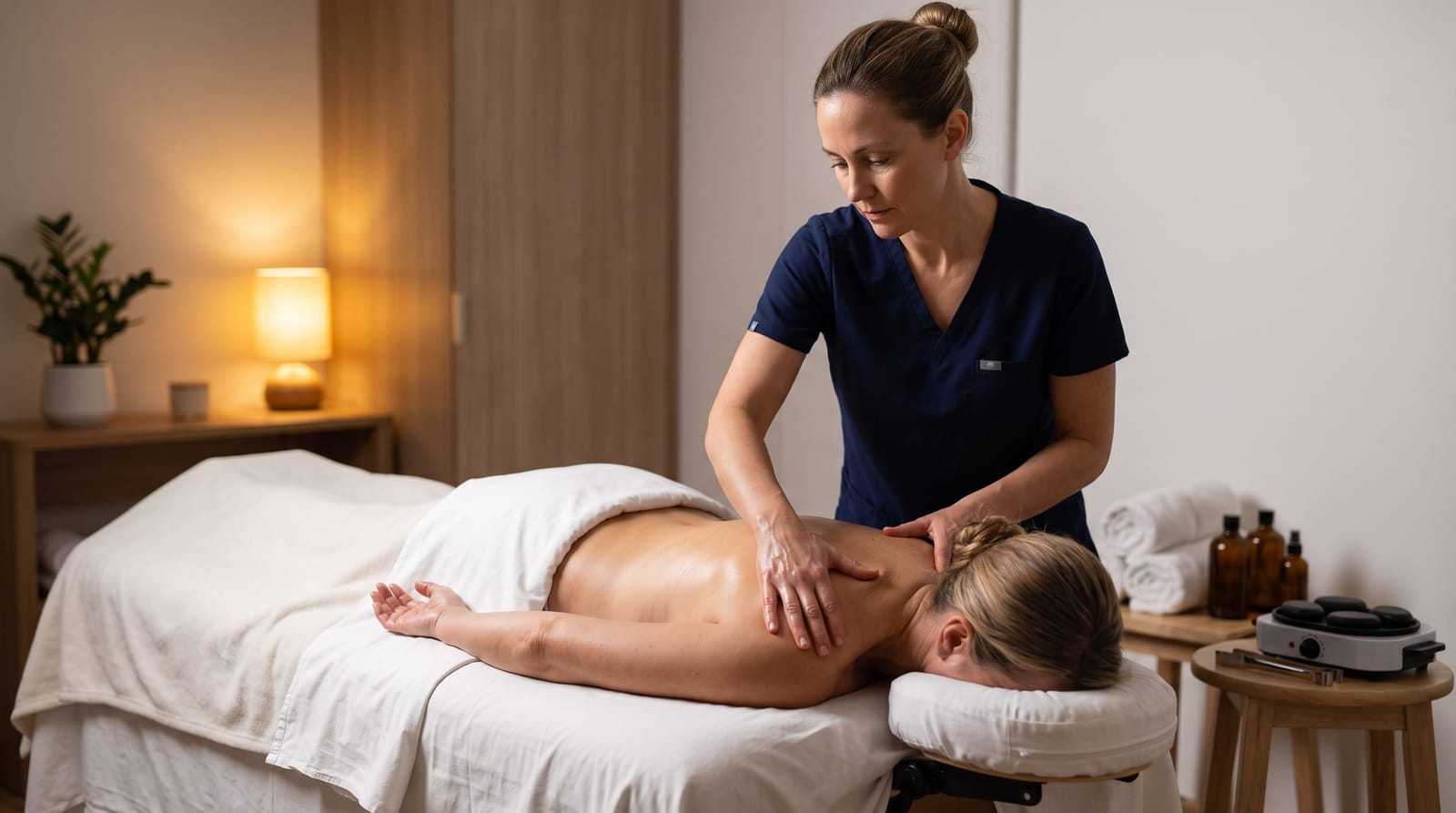
If you're an active adult or athlete in Colorado Springs, you already know that recovering well is just as important as training hard. Massage therapy has long been a trusted tool for easing muscle tension, improving circulation, and supporting overall wellness. ARPWave neuro therapy is a newer but rapidly growing modality that targets the neurological side of pain and dysfunction. When these two approaches work together under one roof, the results can be genuinely remarkable. This post breaks down how combining massage therapy with ARPWave at Total Body Works in Colorado Springs creates a recovery stack greater than the sum of its parts.
What Is ARPWave Neuro Therapy: And Why Does It Matter?
ARPWave (Accelerated Recovery Performance) is a neuro-stimulation technology designed to locate and address the neurological origin of physical pain and movement dysfunction. Unlike traditional electrical stimulation devices, ARPWave uses a high-frequency direct current signal to help the nervous system re-engage muscles that have become inhibited or underactive due to injury, compensation patterns, or chronic tension.
Here's why that distinction matters: most soft-tissue problems don't originate entirely in the muscle itself. Research on neuromuscular control suggests that when a muscle is injured or repeatedly overloaded, the nervous system often reduces its activation signal to that muscle as a protective response. Over time, this neurological "shutoff" can leave surrounding muscles doing extra work, leading to tightness, imbalance, and recurring pain cycles that seem to return no matter how much stretching or foam rolling you do.
ARPWave targets that neurological layer directly. Studies on electrical neuromuscular stimulation have demonstrated improvements in muscle re-education and pain modulation, and facilities like Total Body Works in Colorado Springs use the technology specifically to help clients with chronic joint and muscular discomfort, as well as those looking to accelerate physical recovery between training sessions.
How Massage Therapy Addresses the Soft-Tissue Dimension
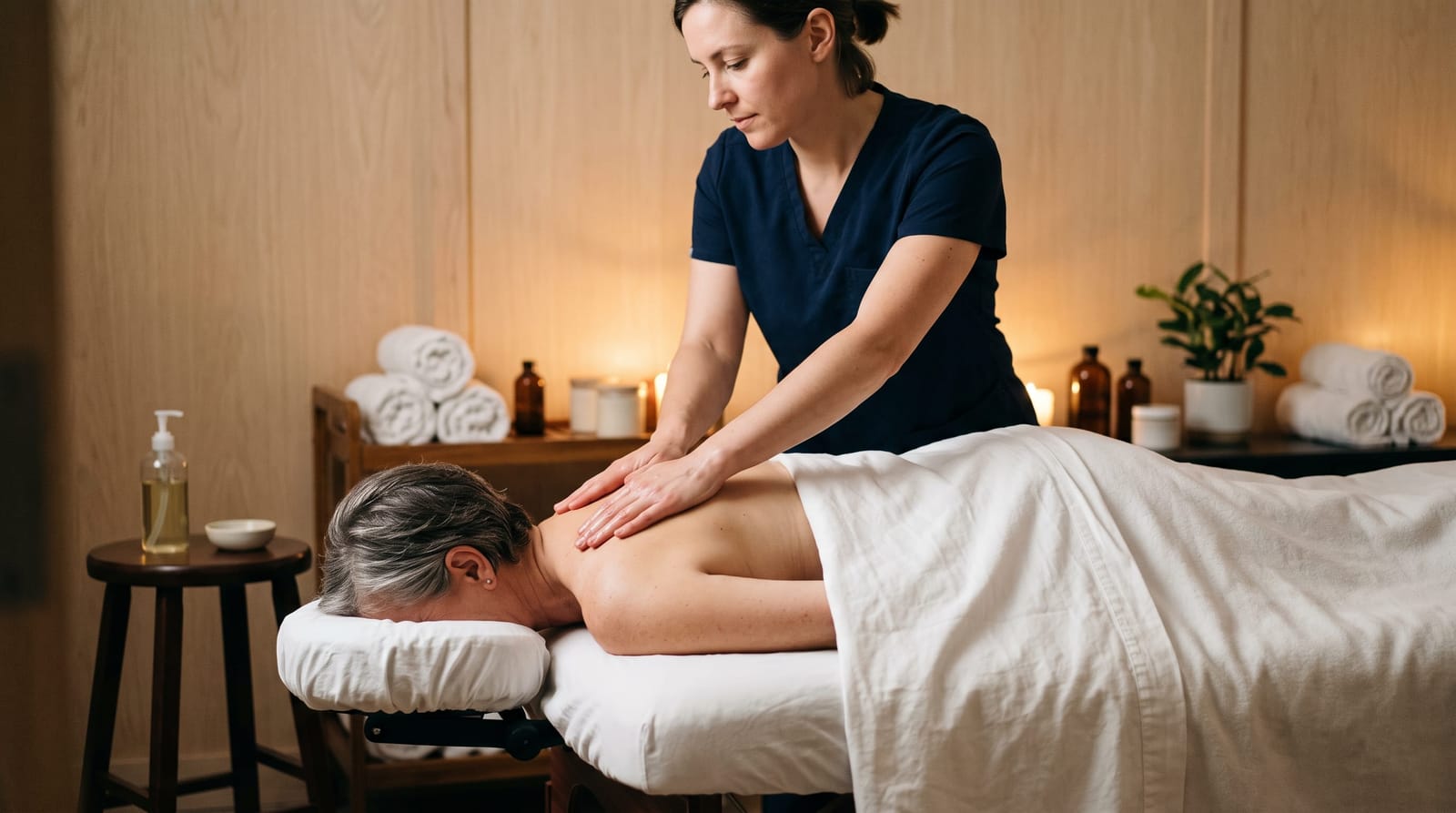
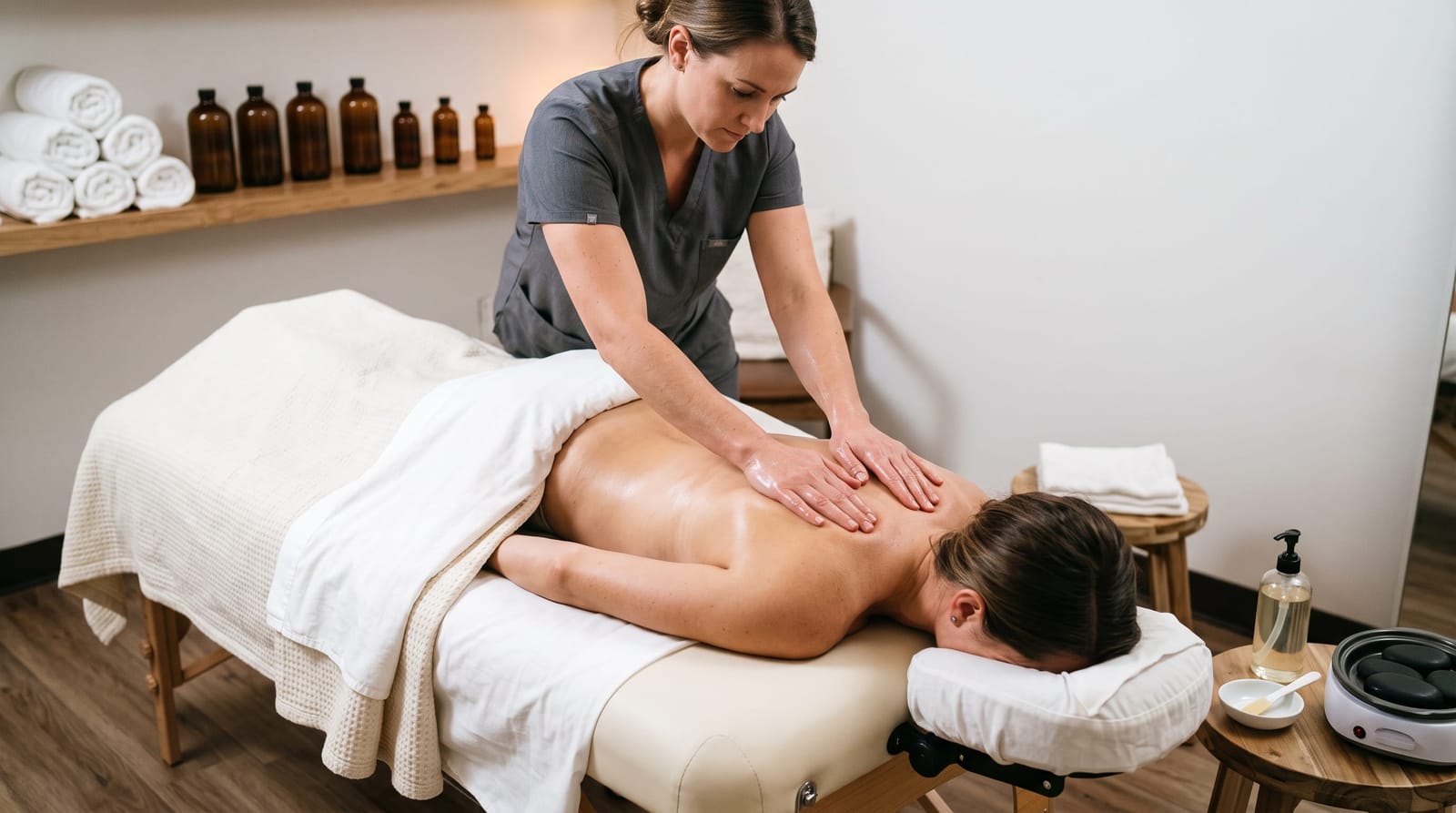
While ARPWave works at the neurological level, massage therapy works at the tissue level, and that difference is exactly why the two modalities complement each other so well.
Skilled massage therapy increases local blood flow, reduces accumulated metabolic byproducts in muscle tissue, improves lymphatic drainage, and helps restore normal tissue extensibility. Research published in peer-reviewed sports medicine journals has found that massage can reduce delayed onset muscle soreness (DOMS) by approximately 30%, and regular massage has been associated with measurable reductions in markers of muscle damage after intense exercise.
For active adults over 50, massage therapy also plays a meaningful role in maintaining tissue quality. As connective tissue naturally becomes less elastic with age, regular hands-on therapy helps preserve the suppleness and mobility that keep everyday movement comfortable and efficient. Whether you're hiking the trails around Monument, training for a race, or simply trying to stay strong and independent, massage therapy supports the tissue health that makes all of it possible.
If you're new to receiving professional massage, our guide on what to expect from your first massage therapy session at Total Body Works in Colorado Springs walks you through the process so you feel confident and informed from the start.
The Synergy: Why Combining Massage Therapy and ARPWave at the Same Facility Matters
Here is where the concept of a "recovery stack" becomes genuinely powerful. When massage therapy and ARPWave neuro therapy are delivered in the same session sequence or as part of a coordinated recovery plan, they address dysfunction on two distinct but interconnected levels simultaneously.
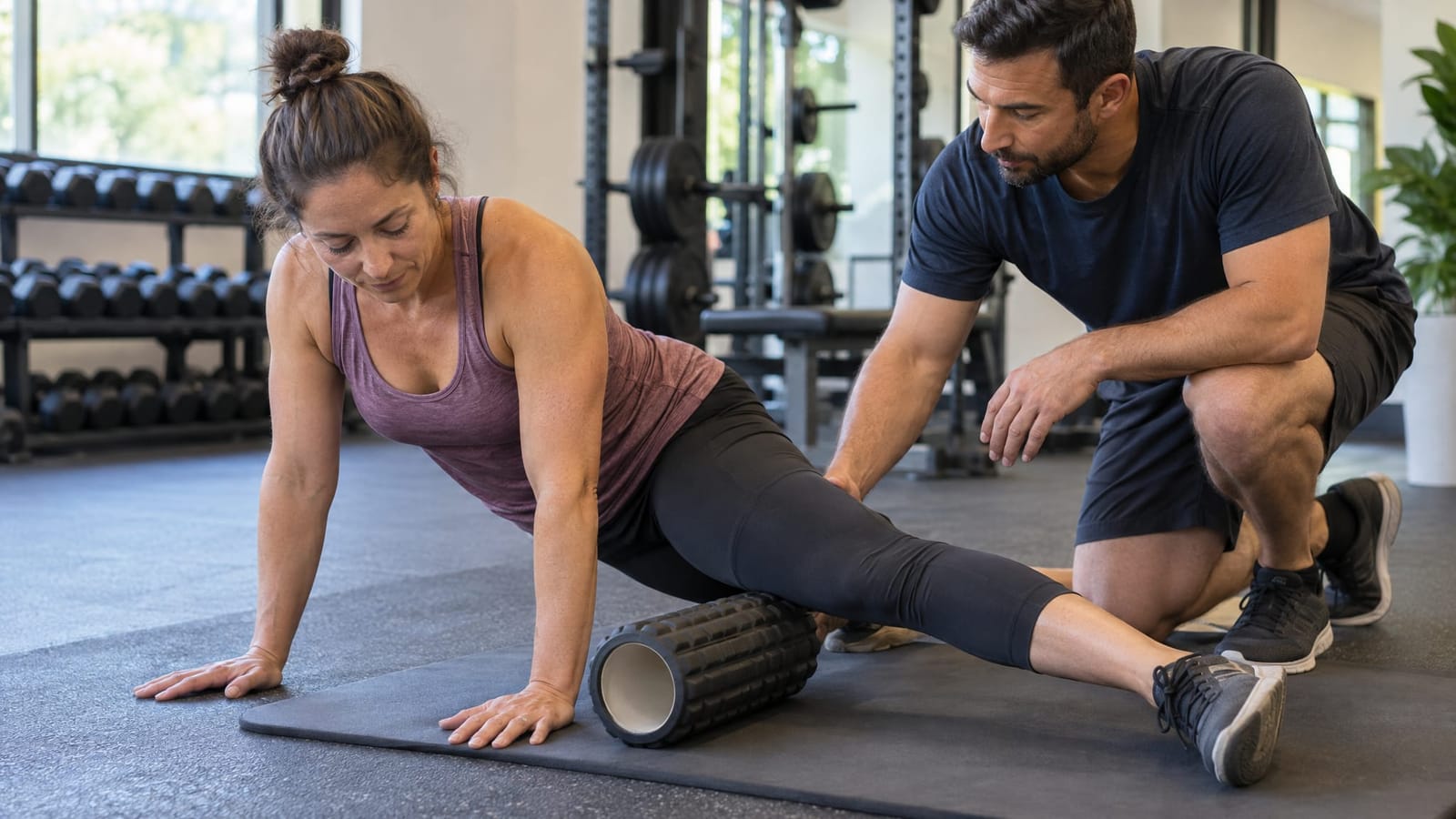
Consider a common scenario: a runner in the Colorado Springs area has been dealing with recurring tightness along the IT band and outer hip. Massage therapy can release the tissue tension that has built up in the iliotibial band, glutes, and lateral quadriceps. But if the underlying issue is that the gluteus medius, a key stabilizing muscle, has reduced neurological activation and is not firing efficiently, the tightness is likely to return within days because the compensating muscles will simply take over again.
ARPWave can identify and re-engage that underactive muscle neurologically, while massage therapy removes the residual tension in the tissues that have been overworking. Together, the two approaches interrupt the dysfunction cycle rather than just managing its symptoms. Clients at Total Body Works in Colorado Springs often describe this combined approach as the first time their recovery has actually "held" rather than requiring constant retreatment.
Having both modalities available under one roof, with practitioners who understand how they interact, removes the coordination problem that occurs when clients see a massage therapist at one location and a neuro-stimulation specialist somewhere else. Integrated delivery means consistent communication and a cohesive plan.
Who Benefits Most from This Combined Approach?
While many people can benefit from combining these modalities, certain groups tend to see especially meaningful results:
- Competitive and recreational athletes who have persistent nagging pain that keeps returning despite regular massage, stretching, or physical therapy maintenance.
- Active adults over 50 who notice that recovery between workouts takes longer than it used to and want a structured, science-supported approach to bouncing back faster.
- Individuals with chronic joint or muscular discomfort, particularly in the shoulder, knee, or back, who feel they've plateaued with single-modality care.
- People returning to activity after a period of inactivity, who want to rebuild movement quality and tissue health at the same time.
- Corporate professionals and desk workers in the Monument and Colorado Springs area whose posture and movement patterns have been shaped by long hours of sitting, leading to layered tissue and neurological tension that neither massage alone nor exercise alone fully resolves.
It's worth noting that combined recovery programming like this is also a practical complement to other wellness goals. Our overview of how massage therapy supports body composition and overall wellness goals provides helpful context for understanding how recovery fits into a broader, active lifestyle.
What a Combined Session or Protocol Might Look Like at Total Body Works
At Total Body Works in Colorado Springs, the approach is always individualized, but a typical combined recovery sequence might involve an ARPWave session first to stimulate neurological re-engagement and identify the primary areas of inhibition, followed by targeted massage therapy to address the soft-tissue tension that has accumulated as a result of those compensation patterns.
In some cases, the sequence is reversed or alternated depending on what the individual's body responds to best. The key is that both modalities are part of a cohesive strategy rather than two separate, disconnected appointments. Sessions are typically 45 to 90 minutes total, and many clients begin noticing meaningful differences in how their body feels and moves within the first 3 to 5 sessions.
Total Body Works serves the Monument and broader Colorado Springs area and can be reached at (719) 339-0690 to discuss which combination approach makes the most sense for your specific situation and goals.
Frequently Asked Questions
Is combining massage therapy with ARPWave safe for most adults?
For the majority of active adults and athletes, yes: combining these two modalities is considered a well-tolerated approach to recovery support. However, every individual is different, and it's always a good idea to discuss your health history with the practitioners at Total Body Works before starting any new recovery protocol. They can help determine the best sequencing and intensity based on your specific needs and goals.
How many sessions does it typically take to notice a difference?
Many clients report noticeable changes in how their body feels and moves within 3 to 5 combined sessions, though this varies depending on the nature and duration of the issue being addressed. Longer-standing compensation patterns may require more time to resolve, while post-training soreness and acute tightness often respond more quickly. The team at Total Body Works will help set realistic expectations based on your individual situation.
Can I use this combination approach as ongoing maintenance, or is it only for recovery from injury?
Absolutely: this combined approach is used both as a targeted recovery tool and as ongoing maintenance for active adults who want to preserve movement quality, reduce the risk of overuse issues, and support consistent training. Many athletes in the Monument and Colorado Springs area use it on a regular schedule throughout their training seasons.
Does Total Body Works offer massage therapy and ARPWave at the same location in Colorado Springs?
Yes. Total Body Works in Colorado Springs offers both ARPWave neuro therapy and professional massage therapy at the same facility, making coordinated recovery planning straightforward. You can contact them at (719) 339-0690 or visit their location serving Monument and the greater Colorado Springs area to learn more and schedule an appointment.
Bringing It Together
Massage therapy and ARPWave neuro therapy each bring something valuable and distinct to the recovery process. Massage therapy addresses the soft-tissue layer: reducing tension, improving circulation, and restoring tissue quality. ARPWave targets the neurological layer: re-engaging inhibited muscles and interrupting the compensation cycles that keep pain and restriction coming back. When both are delivered in a coordinated way at Total Body Works in Colorado Springs, the combination creates a recovery stack that works faster and holds longer than either approach on its own. If you're ready to move beyond single-modality care, this is a meaningful next step.