Sports Massage vs. Deep Tissue Massage: Which Does Your Body Need After Training?
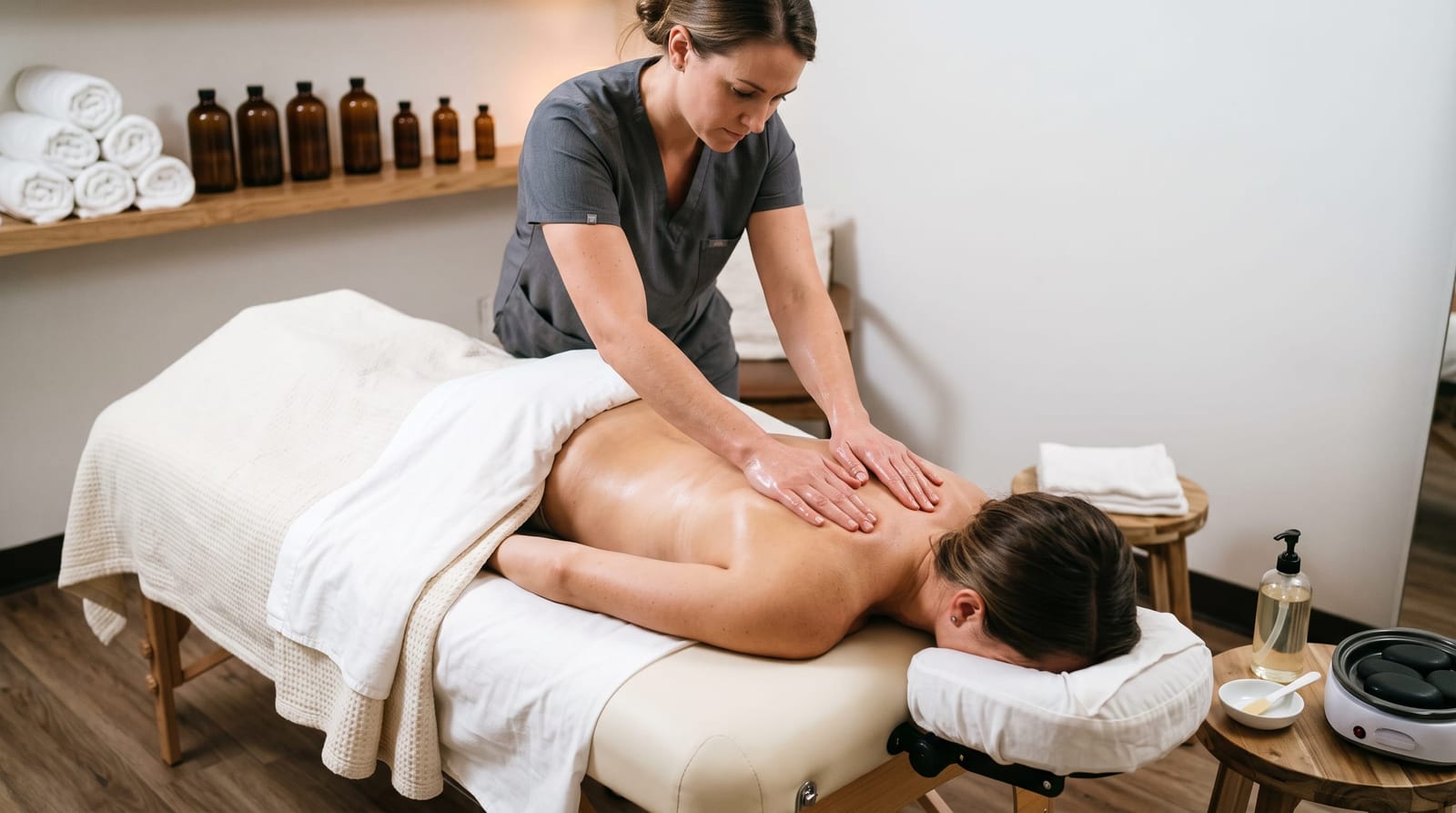
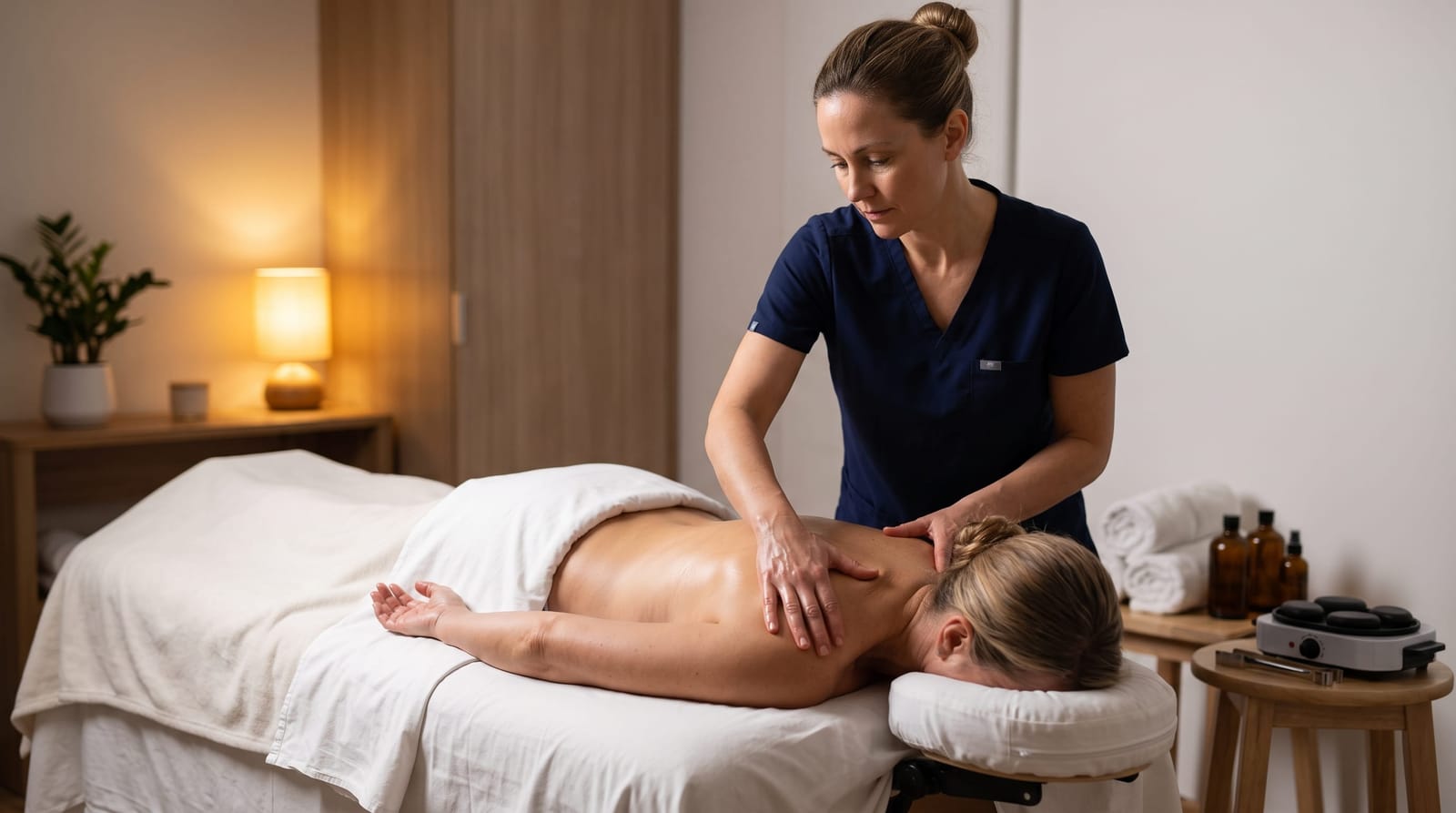
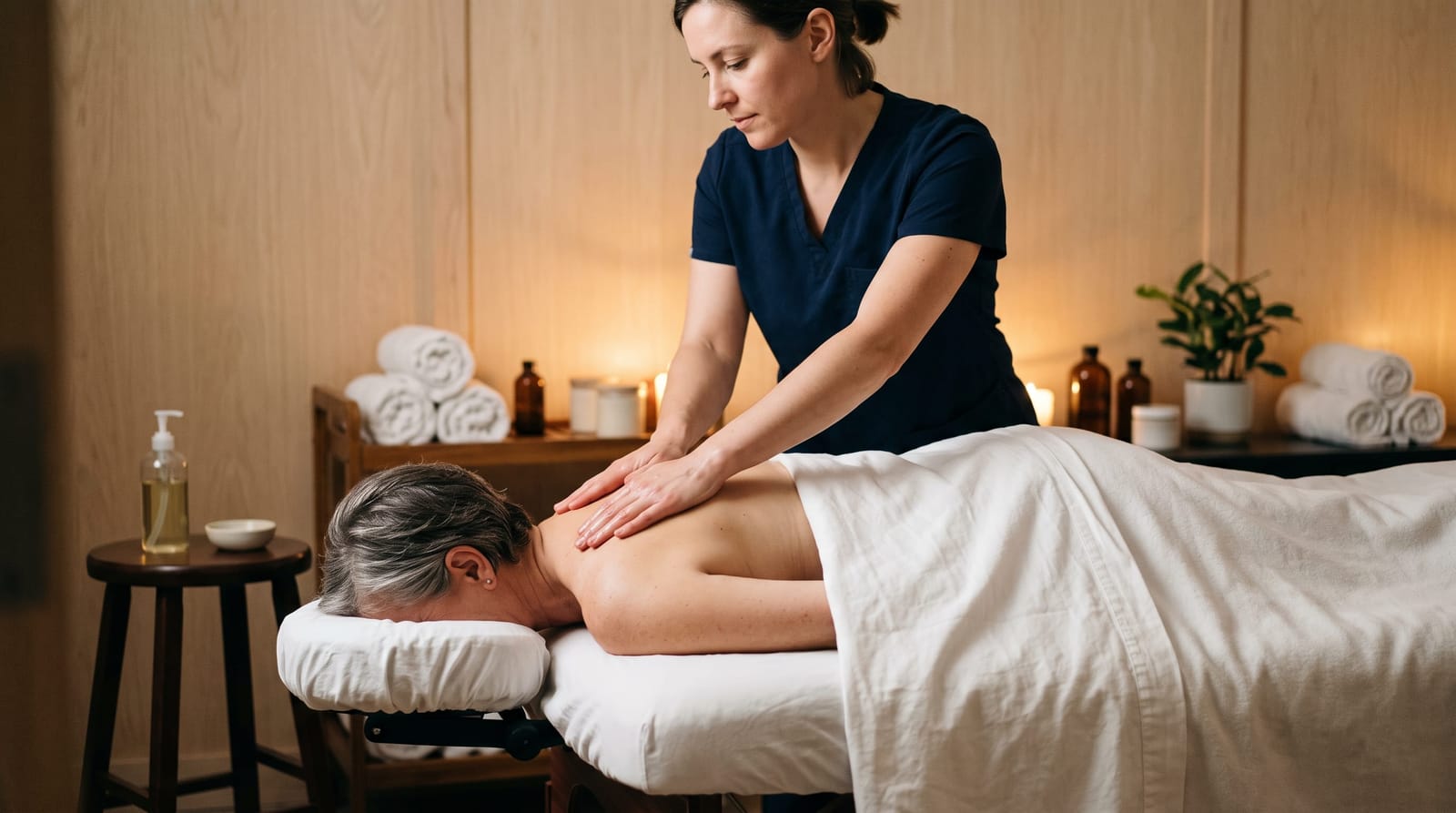
Sports massage is planned around your activity and training goals. Deep tissue massage describes an approach to working with deeper layers of muscle and connective tissue. They are not mutually exclusive: a sports massage session may include deep tissue techniques, but it does not have to.
If your priority is fitting massage around an active schedule, sports massage is a useful starting point. If you want focused work in a particular area, deep tissue techniques may fit that preference. The choice depends on your next workout, your comfort with pressure, your session goals, and relevant health or injury history. A demanding workout does not automatically call for deeper massage.
Sports Massage vs. Deep Tissue Massage at a Glance
| Comparison | Sports Massage | Deep Tissue Massage |
|---|---|---|
| Main emphasis | Your sport, activity demands, and place in the training schedule. | Focused work involving deeper muscle and connective tissue, which surrounds and supports muscles. |
| Typical approach | A combination of techniques selected around the session’s purpose. | Often slower, more focused strokes and sustained pressure. |
| Pressure | Can range from light to firm. Sports massage does not automatically mean deep pressure. | Involves deeper work, but not the maximum pressure a person can tolerate. |
| Session focus | May address several areas involved in an activity or concentrate on one region. | Often gives more attention to selected areas rather than equal time throughout the body. |
| Useful starting question | How does this session fit my training and next activity? | What area do I want addressed, and what pressure feels appropriate? |
Neither label describes one fixed routine. The focus, pace, and pressure of the session matter more than the name alone.
Sports Massage: Training Context Comes First
Sports massage begins with the demands of your activity. A runner, golfer, recreational lifter, and weekend hiker may all want massage, but they bring different movement patterns and schedules to the appointment.
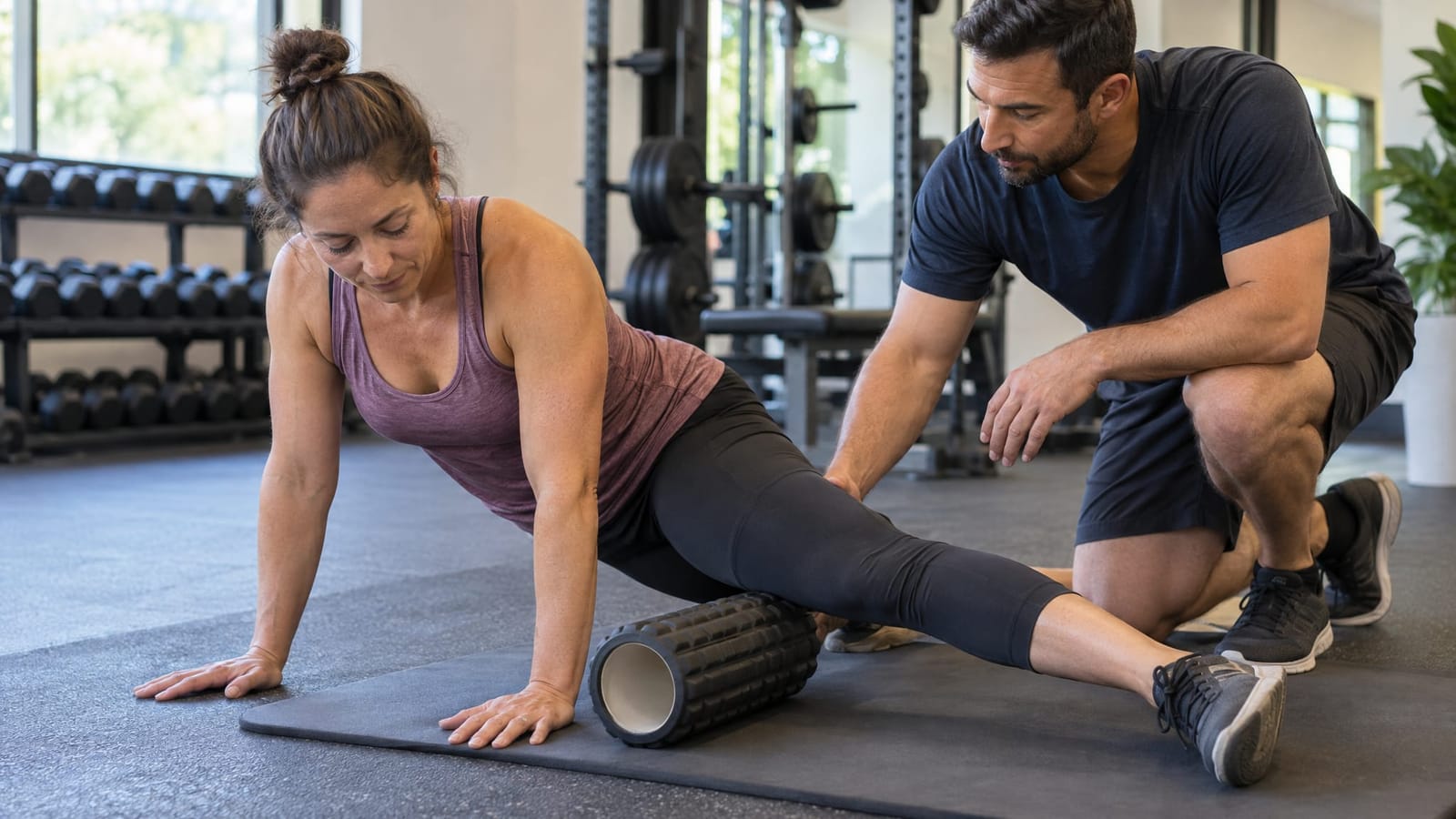
This approach is not limited to competitive athletes. Regular exercise provides useful context: what you do, how often you do it, what has recently changed, and what comes next.
A session before an important event has a different purpose from one during an easier training week. Before an event, familiar techniques and comfortable pressure may take priority. During a quieter period, there may be more room to try a different pace or focused approach and notice how you respond.
Sports massage is therefore a useful starting point when your main question is how massage fits into an active schedule. Our discussion of sports massage for masters athletes explores that broader training context.
Deep Tissue Massage: Focus and Pressure Come First
Deep tissue massage places more emphasis on how tissues are approached. It commonly involves slower work and focused pressure rather than broad, continuous strokes across many areas.
It is an option to discuss when you want attention directed toward a particular region and prefer focused work. A feeling of tightness, however, is not enough on its own to decide that deeper pressure is the right approach.
Deeper does not mean better
Pressure is not a quality score. A lighter approach can fit one session, while deeper work may suit another. Previous experience matters: whether firm massage felt comfortable, whether it left you unusually tender, and whether you prefer sustained pressure or a gentler pace.
Deep tissue also need not mean deep pressure everywhere. Different areas can feel very different within the same session, so pressure can remain part of the conversation throughout the appointment.
Focused attention means less time for other areas
Focused work takes time. If the priority is detailed attention to the upper back, there may be less time for the legs and arms. Naming one or two priorities helps make that tradeoff clear.
A request for full-body relaxation and a request for extensive focused work are not necessarily the same session, even when both involve firm pressure.
Which Approach Fits These After-Training Situations?
An important workout or event is coming soon
For a runner comparing massage options shortly before a race, the decision is less about choosing the deepest technique and more about fitting the appointment around the event.
A sports-focused discussion puts the race schedule, previous massage experience, and preferred pressure at the center. An unfamiliar, intensive approach adds a new variable just before the event. Familiarity offers a clearer basis for the decision than trying to fit in extra deep work at the last minute.
You want focused attention during an easier week
A recreational lifter with an easier week ahead may want more time spent around the upper back rather than a full-body session. Deep tissue could be part of that conversation if focused pressure is comfortable and appropriate.
Useful details include when the area feels tight, whether that sensation changes with activity, and how previous massage sessions felt. These give the therapist more context than a request for the deepest possible pressure.
You feel generally worked after a demanding session
After an unusually long hike or challenging workout, general tenderness may make a gentler session more appealing than concentrated work.
This is where the either-or choice becomes less useful. A sports-focused session can use lighter techniques, and a session that includes deep tissue work can reserve it for selected areas. Training context and pressure preferences can shape the same appointment.
What to Discuss Before the Session
A useful massage conversation goes beyond choosing a service name. These details give a licensed massage therapist practical context for discussing the focus and approach:
- Recent training: The type of activity, whether it was routine or unusually demanding, and any new movements or increased workload.
- Upcoming activity: Your next workout, competition, long hike, or physically demanding workday.
- Relevant injury and health history: Previous injuries, recent procedures, current symptoms, and any restrictions provided by a healthcare professional.
- A clear session goal: Relaxation, general post-training comfort, or focused attention to a particular area is more informative than a request for maximum pressure.
- Previous massage response: What felt comfortable, what felt excessive, and whether tenderness afterward interfered with normal activity.
If time is limited, identifying a main priority and a secondary area helps clarify where to spend the session. A blended approach may make sense: sports massage supplies the training context, while deep tissue may be one technique within the plan.
For readers balancing regular exercise with changing preferences and training demands, our article on massage therapy for athletes over 50 considers massage within an ongoing fitness routine. Individual history is more useful than assumptions based on age or athletic experience.
Comfort Matters More Than Enduring Pressure
Massage is not an endurance test. Useful feedback includes whether pressure feels manageable, whether you are holding your breath, and whether you find yourself tensing against the contact. Mentioning discomfort during the session gives the therapist an opportunity to adjust the approach rather than learning about it afterward.
Post-session soreness is not proof that a massage was effective. Likewise, feeling more comfortable afterward is not, by itself, a reason to increase workout intensity. Massage can be part of a training routine without becoming a test of readiness for the next hard session.
For an individual decision, our licensed massage therapists can discuss an approach that fits your situation within massage therapy’s scope. New injury-related pain, unexplained swelling, numbness, or worsening symptoms need evaluation by a licensed healthcare professional rather than a choice between massage techniques.
Massage Within Our Colorado Springs Fitness Environment
At Total Body Works in Colorado Springs, we offer massage therapy with licensed massage therapists alongside personal training and movement analysis in a private gym environment. This gives massage a place within a broader conversation about activity, comfort, and fitness goals.
Our training philosophy emphasizes strength, stability, functional movement, and flexibility. Massage and exercise serve different purposes: hands-on work does not replace building those capacities through training.
We do custom packages, and someone from our staff will reach out to discuss further.
The most useful starting point is a clear description of your recent training, next planned activity, session priorities, and pressure preferences. Those details help shape the session more effectively than deciding in advance that your body needs the deepest option.