How Massage Therapy Helps Athletes Over 50 Train Harder and Recover Faster
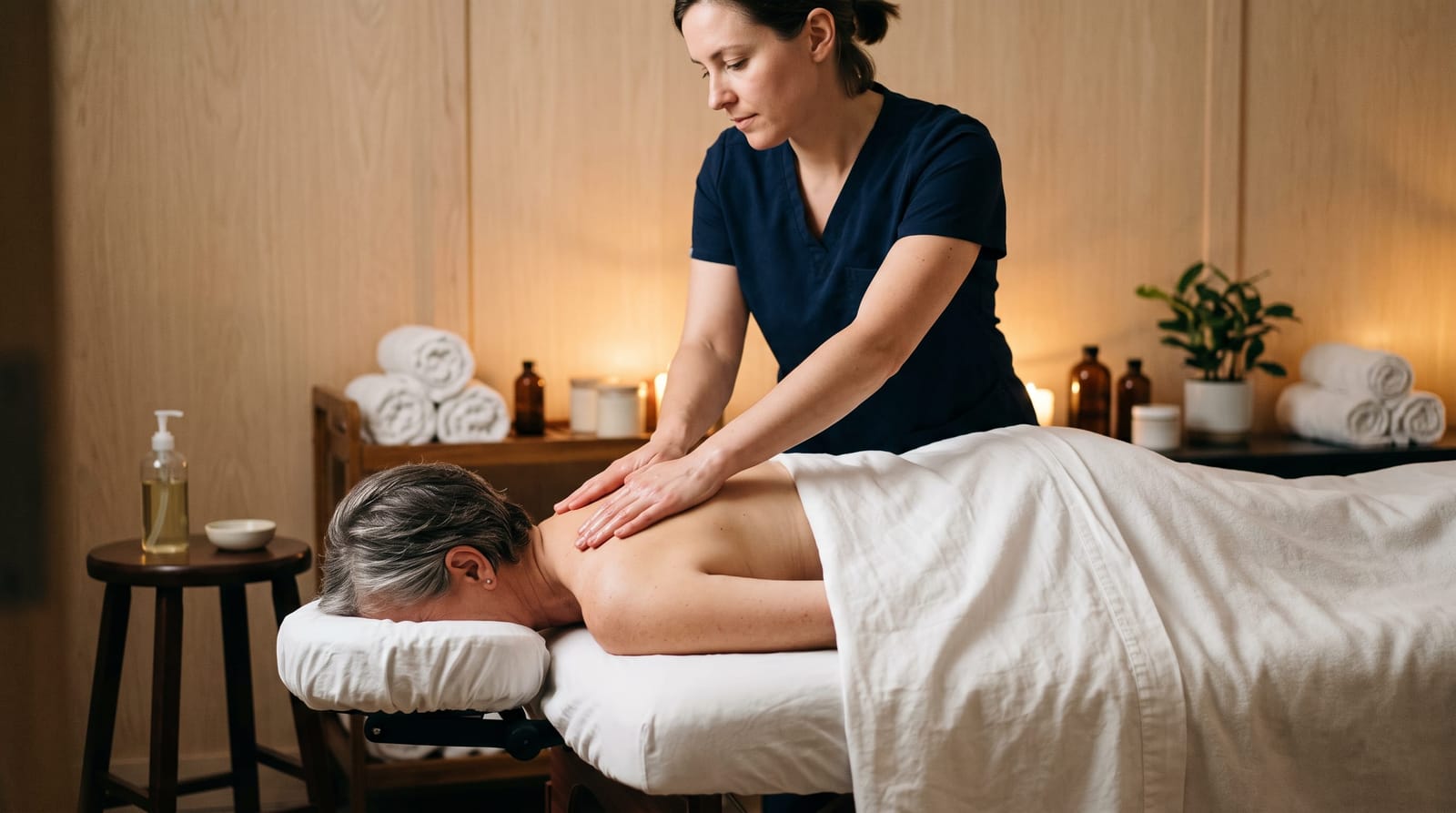
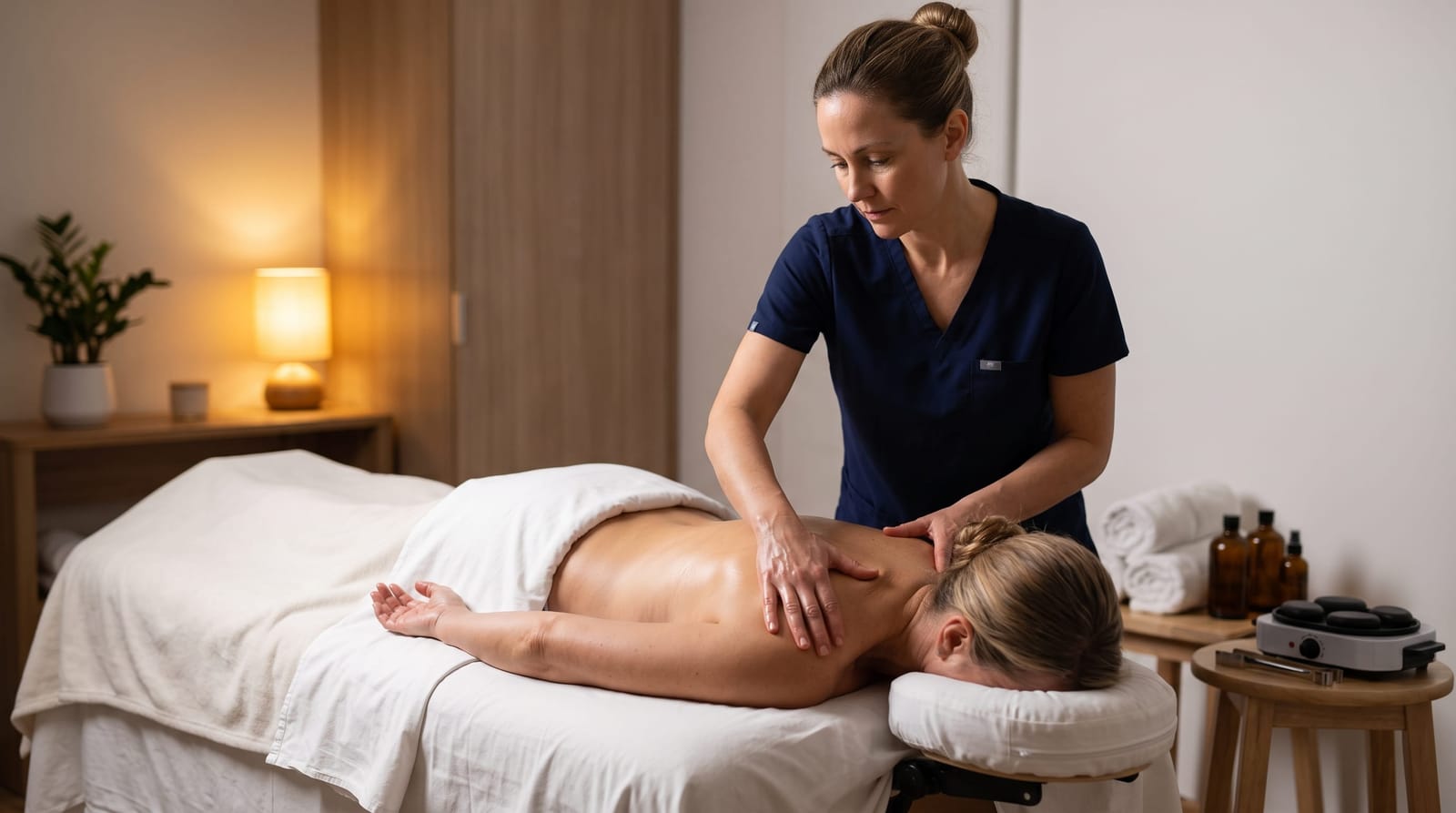
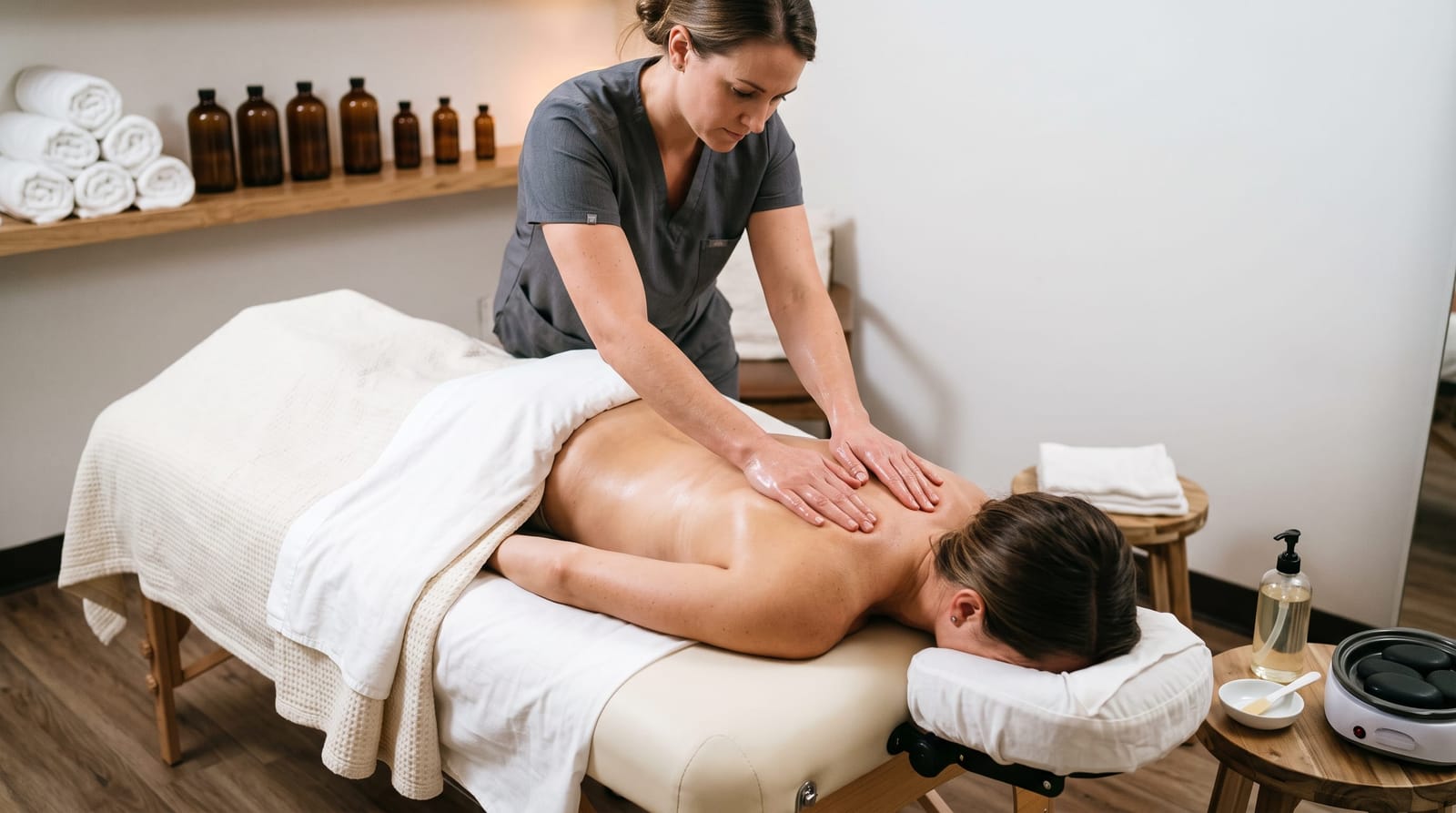
Massage therapy can be a useful addition to an athlete’s recovery routine, particularly when the goal is relaxation or relief from the feeling of muscle tension. Its role is supportive: feeling more comfortable after a session is not the same as being ready to train harder or having recovered faster.
For athletes over 50, the most useful approach is individual. Training history, recent workload, sleep, personal preferences and goals all matter. Massage earns its place in a routine when it adds something worthwhile without replacing recovery time or thoughtful training.
Start With Your Activity and Goals, Not Age Alone
Northeast College of Health Sciences describes older recreational athletes as a growing group seeking sports massage, including runners and people interested in maintaining activity. But athletes of the same age can have very different training schedules and expectations for bodywork.
A useful starting point is what has been happening in your training week. A new lifting routine, a longer ride or work travel that disrupts sleep provides more context than a birthday alone.
It also helps to name a specific goal. “I want to feel more relaxed between tennis sessions” gives a therapist clearer direction than “I need better recovery.” Other goals might include finding a comfortable level of pressure or deciding whether massage fits well between regular workouts.
Our guide to massage after 50 and individual recovery differences takes a closer look at why age alone cannot explain someone’s response to exercise or bodywork.
Distinguish Comfort From Training Readiness
Muscle tension and flexibility are common areas of interest in massage for older athletes (Pacific College’s overview of massage for older athletes). To judge whether a session is useful, separate how you feel from what you expect to do afterward.
Muscle comfort
Feeling less tense can be worthwhile on its own. “My legs feel more relaxed” describes a personal experience. “My legs are ready for a harder workout” is a different conclusion, one that also involves recent workload, fatigue and the demands of the next session.
Ease of movement
Feeling freer during a familiar movement is different from a lasting change in flexibility. If movement is a priority, choose something consistent to discuss, such as how comfortable a usual warm-up feels. Comparing different activities under different conditions makes changes harder to interpret.
Training consistency
A comfortable massage session and a manageable training week are separate things to evaluate. Sleep, exercise selection and lighter training days can also affect the experience. Massage does not need credit for every good workout to be a service you value.
Understand the Technique Without Chasing Intensity
Technique names describe approaches, not a fixed level of pressure or a predictable outcome. The useful question is not “Which technique is strongest?” but “What does this involve, and how does it fit my goal?”
Deep tissue massage
Deep tissue work generally refers to focused massage directed toward deeper layers of soft tissue. It is not simply a full session of maximum pressure. The area being addressed, the therapist’s approach and your feedback all affect the experience.
Useful questions for a licensed massage therapist include:
- What is the purpose of focused work in this area?
- How will you adjust pressure based on my feedback?
- What alternatives are available if the approach feels uncomfortable?
- How does the planned session fit around my next practice or event?
Intensity is not proof of effectiveness. More forceful work is not automatically more useful for an athlete’s goals.
Myofascial release
Myofascial release refers to manual approaches involving fascia, the connective tissue surrounding and supporting muscles and other structures. Depending on the practitioner, it may involve sustained contact or pressure rather than the strokes commonly associated with massage.
The name alone does not tell you how a session will feel. An explanation of the intended approach, pressure and opportunities for feedback is more useful than choosing by a technique label.
Fit Massage Around the Training Week
Training three or four times a week does not automatically call for a particular massage schedule. Timing depends on the purpose of the session, your previous responses and what is coming next on the calendar.
- Training demands: Regular workouts, competitions, travel and unusually demanding weeks give the therapist useful context.
- Previous responses: Note whether earlier sessions felt comfortable, left tenderness or made little noticeable difference.
- Session focus: General relaxation and focused work on a particular area may involve different approaches.
- Practical fit: An appointment can support a routine without becoming another obligation that crowds out rest.
For example, a recreational cyclist who rides on weekends might want massage between rides. The scheduling conversation can account for the next ride’s demands, previous experience with massage and preferred pressure. Deeper work is not automatically the better choice.
An unfamiliar technique immediately before an important event also leaves little opportunity to learn how you respond. Discussing the event calendar allows the therapist to take that context into account.
Our guide to massage frequency when training three or four times per week explores these scheduling decisions in more detail.
Evaluate Whether Massage Adds Value
A few brief notes can make the decision clearer without turning recovery into another tracking project. Start with one question, such as “Do I feel more comfortable during ordinary movement afterward?” or “Does this session fit well between my regular workouts?”
Record enough context to make the answer useful:
- Your recent training and any unusual activity.
- The session’s general focus and how intense it felt.
- Your comfort afterward and during the next usual activity.
- Any tenderness or other unwanted effects to discuss with the therapist.
- Other changes, such as a lighter training week or a different sleep routine.
Look for patterns rather than judging everything by the first few minutes after a session. Immediate relaxation, comfort the next day and fit with your schedule are separate considerations. Little or no noticeable benefit is useful information too, and can inform a discussion about changing the approach or frequency.
How Massage and Personal Training Fit Together
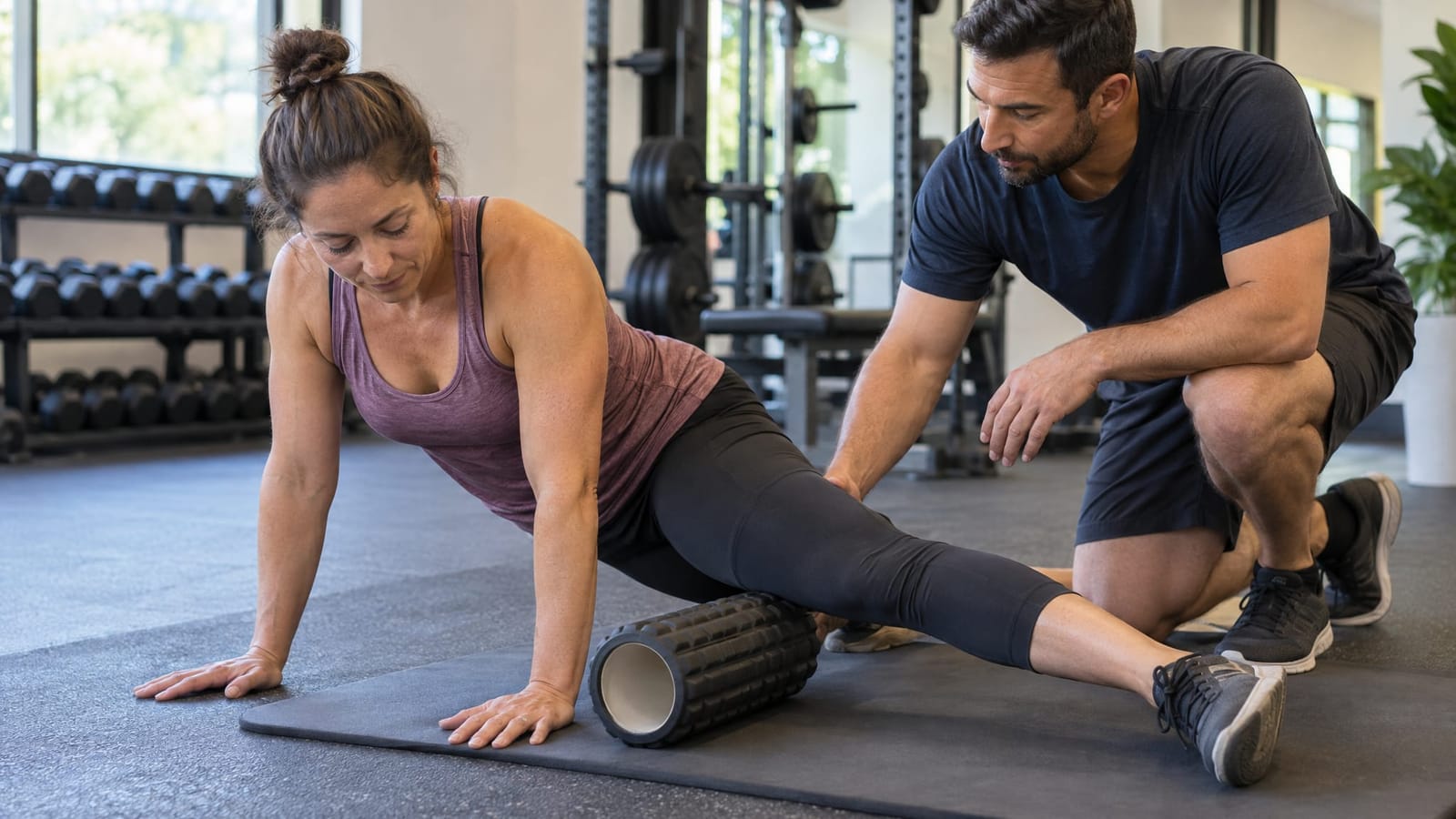
At Total Body Works in Colorado Springs, we offer personal training and massage services in a private gym environment. Our licensed massage therapists provide bodywork, while our trainers guide exercise practice and fitness goals.
We begin training programs with movement screening and build the foundation of strength, stability, function and flexibility before progressing toward more demanding goals. Massage serves a different role, providing hands-on work guided by your preferences and the therapist’s professional scope.
For an athlete using both services, a clear description of the training week helps keep the conversation practical. A regular lifting schedule, recreational sport or upcoming event gives each professional context. Any sharing of personal information between professionals belongs in a conversation about your permission and preferences.
We do custom packages, and someone from the staff will reach out to discuss further.
When a Healthcare Conversation Comes First
A fitness goal and a health concern are not interchangeable. “I want to keep enjoying tennis” is a training goal; “my shoulder hurts when I serve” calls for a different conversation.
For new or unexplained pain, a recent injury or procedure, or a health condition that could affect hands-on care, your situation needs individualized guidance from a licensed healthcare professional. Massage does not diagnose symptoms or determine readiness to return to sport.
Our overview of massage and arthritis concerns for adults over 60 provides additional educational context for readers with arthritis-related questions.
A Practical Role for Massage After 50
For active adults over 50, the useful question is whether massage adds comfort and fits a sustainable routine. A clear session goal, open feedback about pressure and attention to how you feel at your next usual activity provide a practical way to decide. Harder training is not the measure of a successful massage session.