Is It Safe to Start Strength Training After 60 with No Prior Experience?
If you're over 60 and have never lifted a weight in your life, you might be wondering whether starting now is even a good idea, or whether you've simply missed the window. It's one of the most common questions we hear from adults considering starting strength training at 60 in Colorado Springs. The short answer is yes, it is safe, and not just safe, but genuinely transformative. This post breaks down exactly why, addresses the concerns most beginners have, and explains what a smart first program actually looks like.
The Research Is Clear: It's Never Too Late to Get Stronger
The idea that strength training is only for the young is simply not supported by science. Studies consistently show that adults in their 60s, 70s, and even 80s respond to resistance training with meaningful improvements in muscle mass, strength, and function. In fact, a landmark study published in the Journal of Gerontology found that previously sedentary adults over 60 who began a structured resistance training program gained an average of 2-3 pounds of lean muscle mass in just 12 weeks: the same tissue that protects your joints, supports your posture, and keeps you independent.
What's especially encouraging is that beginners often see the fastest early gains. Because your neuromuscular system, the connection between your brain and your muscles, hasn't been trained, it adapts quickly in the first several weeks. That means strength improvements start showing up within 4-6 weeks, often before you've even built significant visible muscle. For adults starting strength training at 60 in Colorado Springs, that rapid early progress is motivating and real.
This matters in the context of a condition called sarcopenia treatment exercise Colorado Springs: the age-related loss of muscle mass that begins accelerating after 50. Strength training is the most effective known intervention to slow, stop, and even reverse sarcopenia. Starting at 60 with no experience doesn't put you behind; it puts you ahead of the majority of adults who never start at all.
Common Safety Concerns: and What Actually Keeps You Safe
Most beginners over 60 share three primary fears: getting hurt, doing something wrong, or making a pre-existing condition worse. All three are legitimate, and all three are manageable with the right approach.
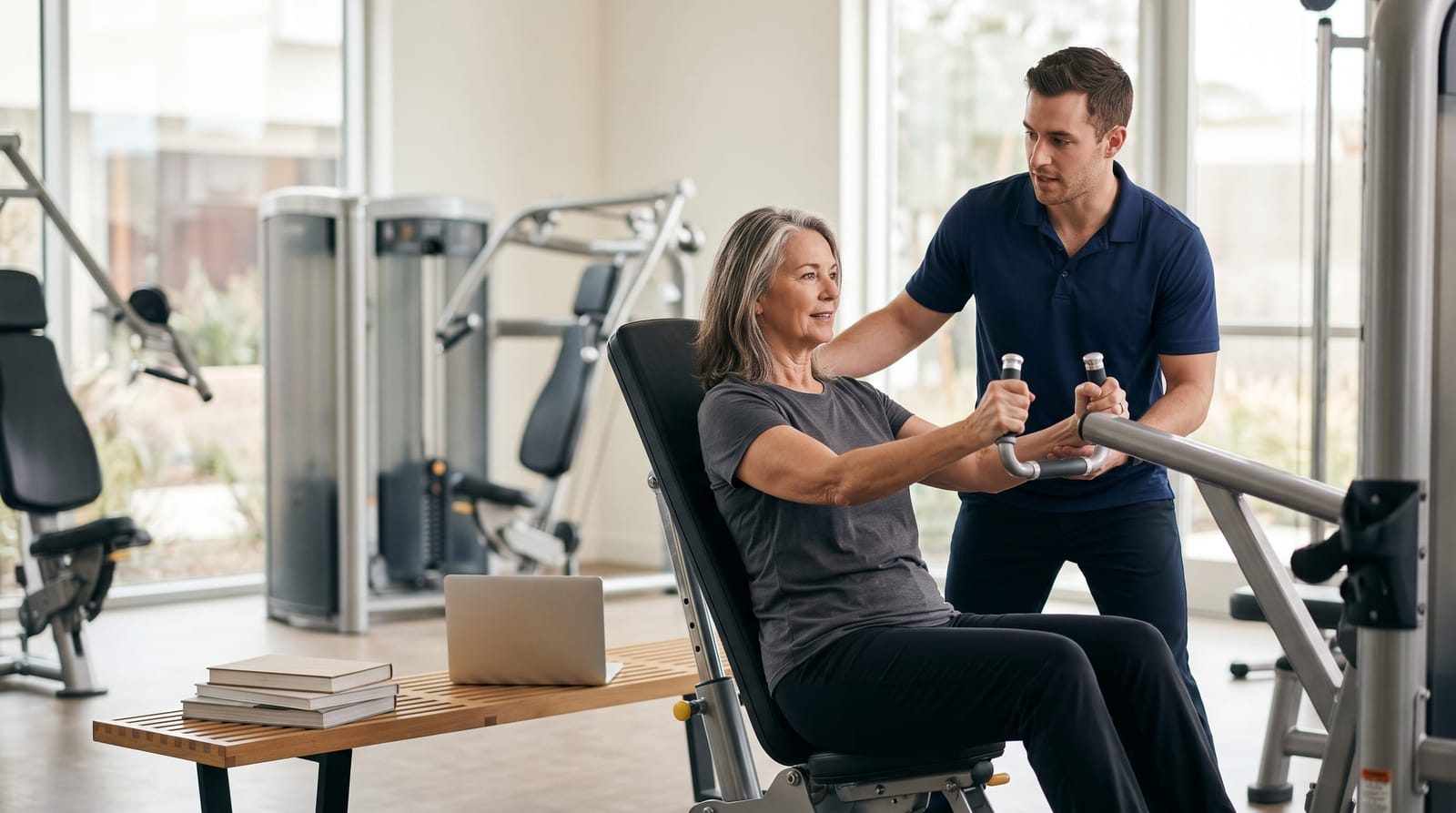
Fear of injury: Injury risk in strength training is real but largely preventable. Research from the British Journal of Sports Medicine found that supervised resistance training programs had an injury rate of just 0.24 per 1,000 training hours: far lower than walking, cycling, or recreational sports. The key word is "supervised." Working with a coach who understands mature adult physiology dramatically reduces risk.
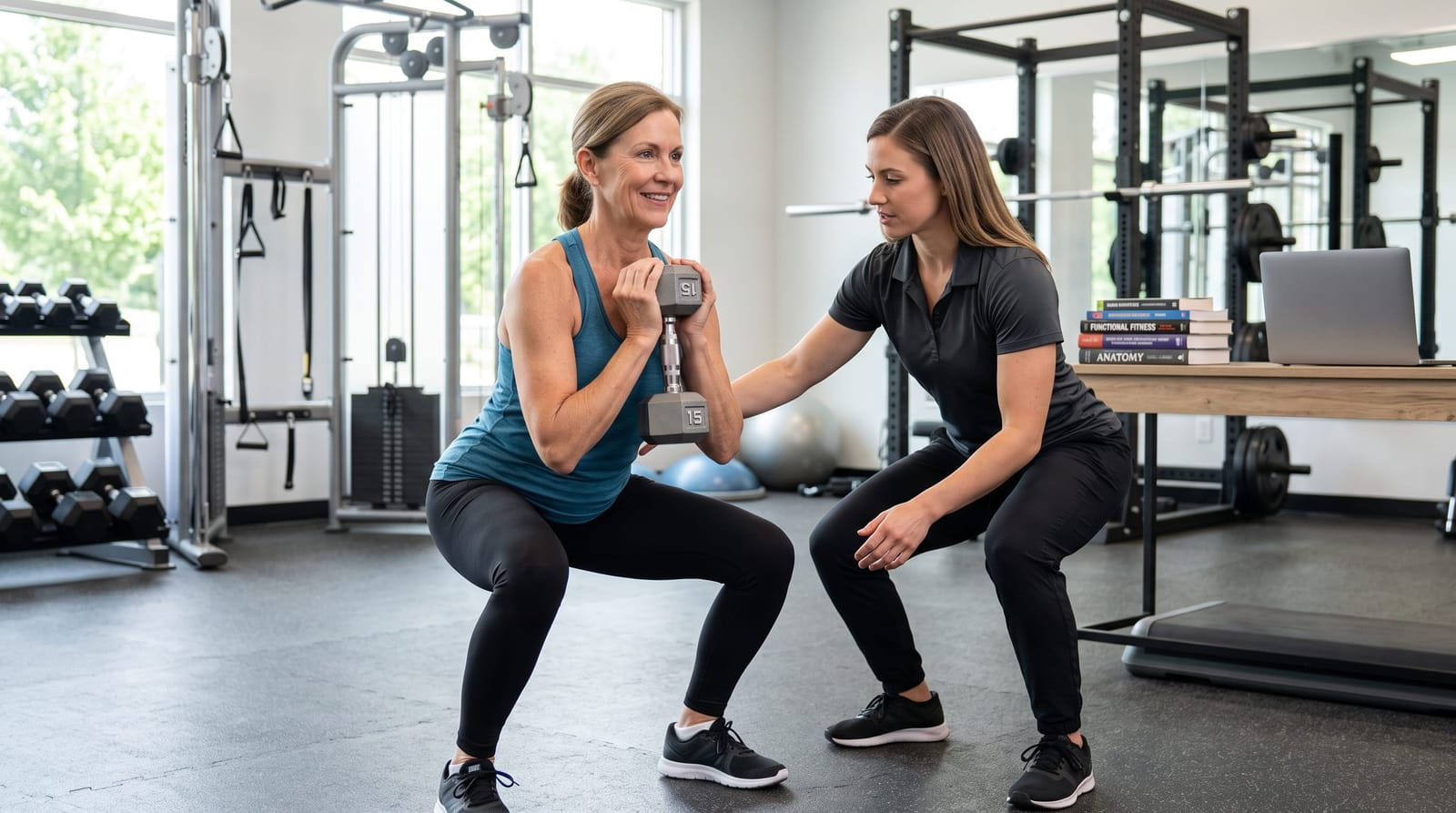
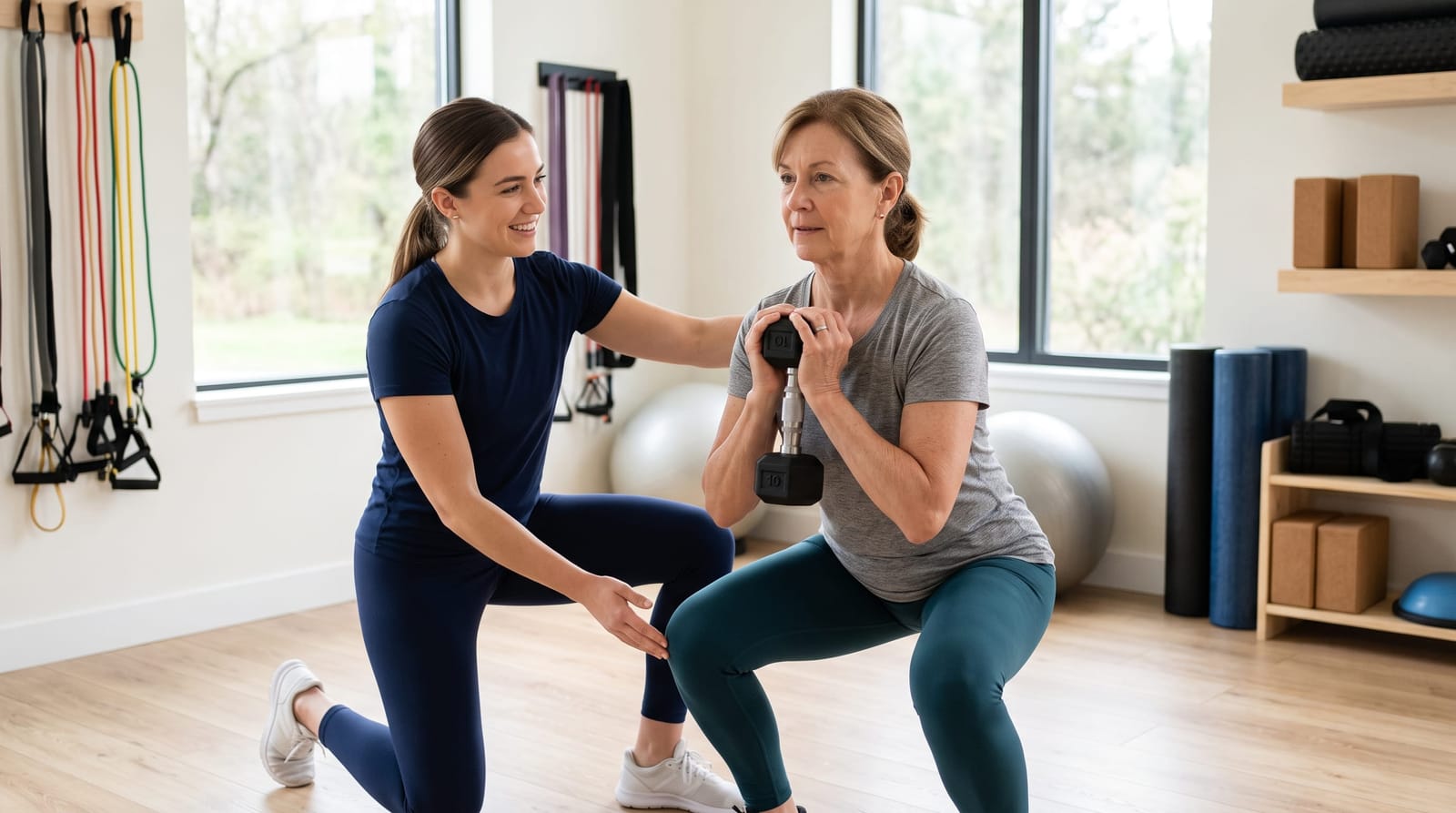
Fear of doing it wrong: This is exactly why professional guidance matters. A qualified trainer won't hand you a barbell on day one. They'll start with bodyweight movements, assess how your joints move, and build form before adding load. Getting technique right from the beginning is far easier than unlearning bad habits later.
Pre-existing conditions: Osteoarthritis, osteoporosis, previous injuries, high blood pressure: these don't disqualify you from strength training. They do require a thoughtful approach. A conversation with your physician before starting is smart, not because training is dangerous, but because it allows your trainer to work with your medical history rather than around it.
The Movement Screening Process: Your Built-In Safety Net
A professional fitness assessment isn't just paperwork: it's the single most important step in starting strength training safely after 60. At Total Body Works in Colorado Springs, every new client goes through a structured movement screening before any training begins. This process typically takes 45-60 minutes and covers several key areas:
- Movement quality: How well do your hips, knees, shoulders, and spine move through their intended range of motion?
- Strength imbalances: Are there notable differences between your left and right sides, or between muscle groups that work together?
- Balance and stability: How well do you control your body during single-leg or unstable positions?
- Health history review: Any past surgeries, chronic conditions, medications that affect exercise response, or pain patterns that need to be respected.
This information shapes every decision about where to start, what to avoid initially, and how fast to progress. It removes the guesswork entirely. You're not following a generic YouTube routine designed for a 28-year-old: you're following a program built specifically for your body, right now.
What a Beginner Strength Program at 60 Actually Looks Like
A well-designed beginner program for adults over 60 looks different from what you might picture when you think "weight training." Here's what a realistic first 8-12 weeks typically includes:
Frequency: 2-3 sessions per week, with at least one full rest day between sessions. This allows adequate recovery, which is especially important as recovery time naturally lengthens with age.
Exercise selection: The program focuses on fundamental movement patterns: squatting, hinging, pushing, pulling, and carrying. These are the movements your body was designed to perform and the ones that translate directly into daily life. Think: getting up from a chair (squat pattern), picking something up from the floor (hip hinge), reaching overhead (pressing pattern).
Sets and reps: A sensible starting point is 2-3 sets of 10-12 repetitions per exercise, using a resistance level that feels challenging by the final 2-3 reps but never causes pain or a loss of form. Starting conservatively is not wasted time: it's building the foundation that allows you to progress safely.
Progression: Load increases gradually, typically 5% or less at a time, only when form is consistently clean and the current weight feels genuinely manageable. There is no rush. Adults over 60 who progress slowly and methodically tend to stay injury-free and training consistently for years.
What to expect at 4 weeks: Most beginners report improved energy, better sleep, and a noticeable ease in daily activities. At 8-12 weeks, measurable strength gains, improved posture, and often a reduction in joint discomfort from better muscular support are common outcomes.
Frequently Asked Questions
Do I need to see a doctor before starting strength training at 60?
It's strongly recommended, especially if you have any existing cardiovascular conditions, diabetes, osteoporosis, or joint replacements. A quick check-in with your primary care physician ensures your trainer has the full picture. Most doctors actively encourage resistance training for their patients over 60: it reduces fall risk, improves bone density, and helps manage blood sugar and blood pressure.
Will strength training make my arthritis worse?
For most people, the opposite is true. Strengthening the muscles around arthritic joints, particularly the knees and hips, reduces the load placed on joint surfaces during daily movement. The Arthritis Foundation explicitly recommends resistance training as a core part of managing osteoarthritis. The key is selecting exercises that work within a pain-free range of motion, which a qualified trainer can guide you through.
How long before I see real results?
Neurological adaptations, your muscles learning to fire more efficiently, happen within the first 2-4 weeks and produce early strength gains. Visible changes in muscle tone and body composition typically become noticeable between 8-16 weeks of consistent training. Functional improvements (climbing stairs, carrying groceries, getting up from the floor) are often reported even sooner, sometimes within the first month.
Can I do strength training if I have osteoporosis?
Yes, and you probably should. Weight-bearing and resistance exercises are among the most effective interventions for maintaining and improving bone density. A 2022 review found that progressive resistance training increased bone mineral density in postmenopausal women by an average of 1-3% over 12 months. Your trainer should be informed of your diagnosis so they can select appropriate exercises and loading strategies.
The Bottom Line
Starting strength training at 60 in Colorado Springs with no prior experience is not only safe, when done correctly, it's one of the most impactful health decisions you can make. The right approach begins with a proper movement screening, uses a thoughtful beginner program, and puts sustainable progress ahead of ego-driven speed. Whether your goal is to stay independent, reduce pain, improve bone density, or simply feel more capable in daily life, the evidence is overwhelmingly in your favor. The best time to start was ten years ago. The second best time is now.