
Why Transformation Programs Fail Long Term: Key Insights
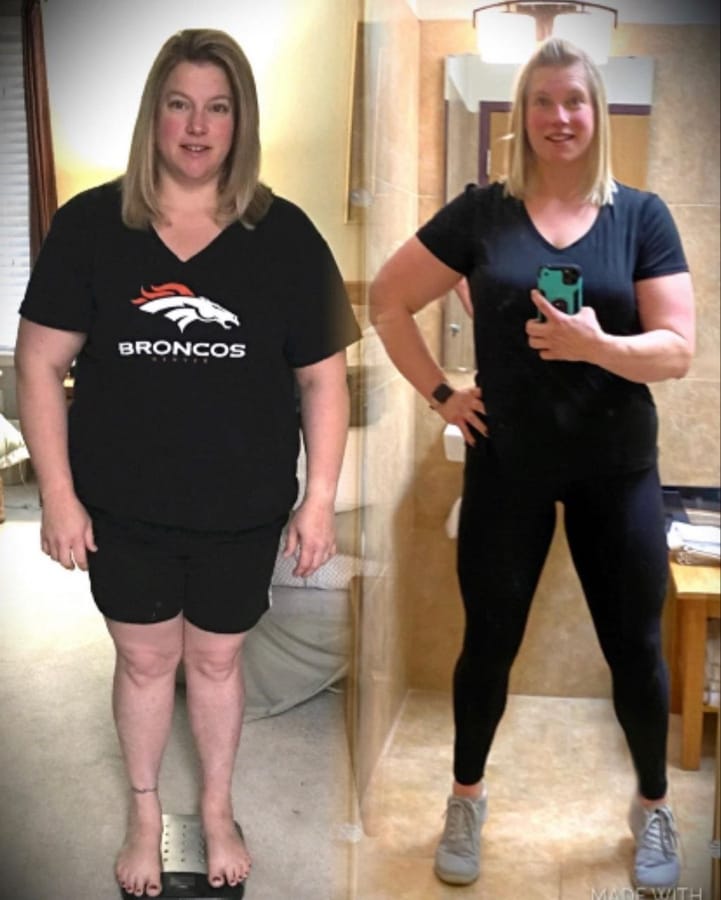
You started strong. The first few weeks of your body transformation program felt energizing: you had momentum, visible progress, and genuine motivation. Then, somewhere around the 90-day mark, things stalled. Sound familiar? If you've ever wondered why most body transformation programs fail long term, you're not alone. Research across industries consistently shows that roughly 80% of structured change programs don't achieve their intended results, and fitness is no exception. A 2020 study published in the International Journal of Environmental Research and Public Health found that fewer than 20% of people who begin a structured fitness program maintain consistent participation beyond six months. Understanding exactly why most body transformation programs fail after early success is the first step toward building one that actually lasts, and it's the foundation of how Total Body Works approaches every client program from day one.
Why Most Body Transformation Programs Fail at the 90-Day Wall
The first 90 days of any structured fitness program tend to feel productive because your body is adapting to new stimuli. You're building new habits, your muscles are responding to fresh challenges, and the novelty of the process keeps you engaged. This early phase is powerful, but it's also deceptive. Coaches and exercise scientists often refer to this window as "beginner's momentum," and it creates a false sense of security about how easy long-term transformation will be. It's one of the most consistent patterns we see in why most body transformation programs fail: the early win masks the structural weaknesses in the program design.
Here's what typically happens between weeks 12 and 16:
- Your body adapts to the same exercises and stops responding as dramatically.
- Initial motivation fades as the novelty wears off.
- Early visible changes slow down, making progress harder to perceive.
- Life pressures, work, travel, family, begin to compete with your routine.
- Without a coach actively adjusting your plan, you're left doing the same thing hoping for different results.
This is precisely why the structure and ongoing evolution of a program matter just as much as how it starts. A well-designed body transformation program should be built to anticipate this wall, not pretend it doesn't exist. At Total Body Works, every client plan is structured with this adaptation window in mind from day one, so the transition from early progress to long-term results doesn't become a cliff.
Why most body transformation programs fail at this specific threshold comes down to a simple design flaw: most programs are built to impress during the first phase, not to sustain progress through the second and third phases. The 90-day wall isn't a personal failing: it's a predictable structural problem with a known solution.
The Real Reason Why Most Body Transformation Programs Fail: Program Monotony
One of the most common reasons why most body transformation programs fail long term is surprisingly straightforward: the program doesn't change, but your body does. Your muscles, cardiovascular system, and nervous system are incredibly adaptive. What challenged you in week one may barely register by week twelve. This physiological phenomenon is well-documented: exercise scientists call it the "principle of accommodation," and it's one of the primary drivers of fitness plateaus. When the program stops creating new demands, your body simply stops responding. This is why most body transformation programs fail even when participants are showing up consistently and putting in genuine effort.
Generic fitness plans, the kind you download, purchase online, or follow from a book, are typically static. They don't account for:
- How your strength levels have improved since you started.
- Which exercises your body has fully adapted to.
- New movement patterns that could accelerate your progress.
- Recovery needs that shift as training volume changes.
- Individual response rates that vary significantly from person to person.
- Lifestyle changes that affect your capacity to train and recover.
- Psychological shifts that influence motivation and adherence over time.
At Total Body Works, program evolution is built into the process from day one. Your training plan isn't a fixed document: it's a living structure that gets reviewed and updated based on how your body is actually responding. When a coach is monitoring your progress consistently, they can spot adaptation before it becomes a plateau and adjust your program proactively, not reactively. This is a key differentiator between programs that deliver short-term results and those that produce genuine, lasting transformation. It's also why most body transformation programs fail when they're designed once and never revisited.
What Program Stagnation Actually Looks Like
Many people don't recognize program stagnation until it has already cost them weeks of progress. The signs are often subtle at first. You might notice that the weights that once felt challenging now feel routine. Your heart rate during cardio sessions may peak lower than it did in the first month. You might find yourself going through the motions without genuine exertion. These aren't signs of weakness: they're signs of adaptation. Left unaddressed, these are the early signals that your program is no longer creating the stimulus needed for change, and this is one of the primary reasons why most body transformation programs fail before reaching their full potential. Recognizing stagnation early and responding to it quickly is what separates programs that keep producing results from those that quietly plateau.
How Periodization Prevents Premature Plateaus
Periodization is the systematic variation of training variables, volume, intensity, exercise selection, and rest intervals, over planned cycles. It's one of the most evidence-backed strategies in sports science for sustaining long-term progress. A 2017 meta-analysis published in the Journal of Strength and Conditioning Research found that periodized training programs produced significantly greater strength and hypertrophy gains over 12 weeks compared to non-periodized programs. This is precisely the kind of structured variation that prevents the accommodation effect from derailing your results. When people ask why most body transformation programs fail, the absence of periodization is consistently near the top of the list. Programs at Total Body Works are built on periodized frameworks from the start, ensuring your training continues to challenge you as your fitness level advances.
Why Off-the-Shelf Programs Are Structurally Set Up to Fail
The fitness industry generates billions of dollars annually selling programs that are identical for every buyer. These products are not designed for your specific body, your training history, your recovery capacity, or your lifestyle. They're designed to be scalable, which means they're built for nobody in particular. This is a root-level explanation for why most body transformation programs fail: the economic model of mass-market fitness products is incompatible with the individualization that long-term transformation actually requires. A program that doesn't know you cannot adapt to you, and a program that cannot adapt to you will stop working the moment your body stops being a beginner. Personalized coaching closes this gap in a way that no downloadable plan ever will.
Nutrition Drift: A Core Reason Why Body Transformation Programs Fail
Ask anyone who's experienced a long-term fitness plateau, and many will acknowledge the same pattern: their eating habits gradually drifted back toward their pre-program baseline. This phenomenon, sometimes called "nutrition drift", is one of the most underestimated reasons why most body transformation programs fail long term. According to a study published in Obesity Reviews, dietary adherence declines significantly after the first eight weeks of a structured program, even when participants remain committed to their exercise routine. The training continues, but the nutritional foundation quietly erodes underneath it. This dynamic explains why so many people feel like they're doing everything right while seeing diminishing returns: the exercise variable held, but the nutrition variable didn't.
It rarely happens all at once. Instead, it's a series of small compromises:
- A weekend of eating out becomes a new weekend habit.
- Portion sizes quietly increase as the initial discipline fades.
- Meal planning falls off during a busy work week.
- Stress eating becomes a coping mechanism that wasn't there before.
- Alcohol intake creeps back up at social events.
- Protein intake drops as convenience foods replace prepared meals.
- Caloric surplus gradually rebuilds without any single obvious trigger.
The challenge is that none of these feel significant in isolation. But over 60 to 90 days, the cumulative effect can quietly undo weeks of consistent training. Understanding how your daily choices connect to your long-term progress, tracked through concrete data rather than guesswork, is what separates programs that sustain results from those that don't. Using consistent body measurements and food tracking tools is one practical way to catch nutritional drift before it becomes a meaningful setback. This is why most body transformation programs fail even when the exercise component looks strong on paper.
How Small Business Owners Are Especially Vulnerable to Nutrition Drift
For small business owners specifically, nutrition drift is an amplified risk. Irregular schedules, client dinners, travel, and high-stress decision-making cycles make consistent eating habits genuinely difficult to maintain. A 2019 study in the Journal of Occupational Health Psychology found that entrepreneurs report significantly higher rates of chronic stress than the general working population, and chronic stress is directly linked to both increased caloric intake and poorer food choices. This is one reason why most body transformation programs fail for this demographic at higher rates: the programs are simply not designed around the real-life demands of running a business. A program built for you has to account for your schedule, your stress load, and your social obligations, not just your fitness goals in isolation. The coaches at Total Body Works work directly with clients to build nutrition strategies that are realistic within the context of a demanding professional life, not strategies borrowed from athletes with controlled schedules and professional meal support.
Why Most Body Transformation Programs Fail Without Consistent Accountability
Accountability is not a motivational buzzword: it's a structural necessity in any successful long-term program. Studies on behavior change consistently find that people who report their progress to another person are significantly more likely to follow through on their commitments. Research from the American Society of Training and Development found that having a specific accountability partner improves follow-through rates by up to 65% compared to working alone. This data point alone explains a great deal about why most body transformation programs fail when they're structured as solo endeavors. Self-directed effort, no matter how disciplined at the start, is statistically likely to erode over time without external structure. The accountability gap is not a character flaw: it's a predictable outcome of program designs that expect willpower to substitute for support systems.
When programs are self-directed, even if they start well, the accountability gap tends to appear around the same time as the 90-day wall. Without external check-ins:
- Skipped sessions become easier to justify.
- Training intensity gradually decreases without anyone noticing.
- There's no one to recognize that your form has drifted or your effort has declined.
- Progress tracking becomes inconsistent or stops altogether.
- Small setbacks become larger ones because there's no one to course-correct early.
- The psychological cost of perceived failure compounds without external perspective to reframe it.
Private personal training at Total Body Works is designed to close this gap. Every session includes a coach who is observing, adjusting, and providing real-time feedback, not just supervising. That consistent relationship is what keeps the program honest and the client progressing, even during the months when motivation alone wouldn't be enough. It's one of the clearest structural answers to why most body transformation programs fail: there's simply no one watching when the effort starts to slip.
Overtraining and Underrecovery: Why Most Body Transformation Programs Fail When You Push Too Hard
Another significant reason why most body transformation programs fail long term is the unsustainable push that many people make after seeing early results. When progress feels good, it's tempting to do more: more sessions per week, longer workouts, less rest. This often leads to a cycle of overtraining and underrecovery that stalls progress and increases the risk of burnout. The American College of Sports Medicine estimates that overtraining syndrome affects between 20% and 60% of elite athletes, and recreational fitness participants face similar risks when programs aren't properly periodized. Doing more is not the same as doing better, and this confusion is one of the most reliable reasons why most body transformation programs fail in the intermediate phase. More volume applied to a body that hasn't recovered is not progressive overload: it's accumulated damage.
Signs that a program may be pushing too hard without adequate recovery include:
- Persistent fatigue that doesn't improve with a night of sleep.
- Declining performance, lifting less, moving slower, despite consistent effort.
- Increased irritability or difficulty concentrating during the day.
- Loss of motivation for workouts that previously felt energizing.
- Frequent minor soreness that doesn't fully resolve between sessions.
- Disrupted sleep despite physical exhaustion.
- Elevated resting heart rate compared to your baseline.
A sustainable body transformation program balances progressive challenge with intentional recovery. Your coach should be monitoring not just what you're doing in the gym, but how you're feeling outside of it: adjusting training load accordingly rather than simply adding more volume because the calendar says it's time to progress. This kind of intelligent, individualized periodization is central to how Total Body Works designs long-term client programs. The goal is progress that compounds over months and years, not a sprint that burns out before the real results arrive. Understanding this balance is essential to understanding why most body transformation programs fail at the midpoint: they mistake intensity for intelligence.
The Role of Sleep and Stress in Long-Term Transformation Failure
Recovery isn't only about rest days between workouts. Sleep quality and stress management play an equally critical role in why most body transformation programs fail over extended periods. Cortisol, the body's primary stress hormone, rises during periods of poor sleep and chronic psychological stress. Elevated cortisol promotes fat retention, particularly around the midsection, and actively inhibits muscle protein synthesis. A study published in Annals of Internal Medicine found that participants who slept only 5.5 hours per night lost 55% less fat and 60% more lean muscle compared to those who slept 8.5 hours, even while following identical calorie-restricted diets. For small business owners managing high-pressure environments, this biological reality means that a fitness program must address lifestyle factors alongside exercise and nutrition. Ignoring recovery is not discipline: it's one of the most reliable ways to ensure your body transformation program eventually breaks down.
Unrealistic Expectations: A Key Reason Why Body Transformation Programs Fail Early
Beyond program design and lifestyle factors, one of the most consistent reasons why most body transformation programs fail is the gap between expectation and reality. The fitness industry is saturated with marketing that promises dramatic results in 30, 60, or 90 days. When those timelines don't deliver the advertised outcomes, many people conclude that the effort isn't worth continuing, when in reality, the problem was the promise, not the person. Misaligned expectations are arguably one of the most preventable reasons why most body transformation programs fail, yet the marketing landscape continues to set people up for this exact disappointment. The programs that actually work are often the ones that make less dramatic promises and deliver more sustainable results over longer timelines.
Realistic body transformation timelines look more like this:
- Weeks 1-4: Neural adaptation, improved movement quality, early energy and sleep improvements.
- Weeks 5-12: Visible muscle development begins, body composition starts shifting, cardiovascular endurance improves noticeably.
- Months 4-6: Significant body composition changes become apparent, performance metrics improve measurably.
- Months 6-12+: Sustainable physique changes, embedded habits, and the foundation for lifelong maintenance.
Setting accurate expectations from the beginning isn't discouraging: it's what keeps people in the process long enough for real results to emerge. At Total Body Works, every new client consultation includes an honest conversation about realistic timelines so that early progress feels like confirmation rather than disappointment. Understanding what real transformation actually looks like is one of the most practical tools for overcoming why most body transformation programs fail before they've had enough time to deliver. An honest program that sets accurate expectations will always outperform a flashy program built on promises it can't keep.
Why Most Body Transformation Programs Fail to Account for Mental and Behavioral Factors
Physical programming and nutrition planning address the body, but long-term transformation also requires addressing the behavioral and psychological patterns that drive daily decisions. This is a frequently overlooked dimension of why most body transformation programs fail, particularly in the six-to-twelve-month window when the initial structure has worn off and habits are still being consolidated. Research in behavioral psychology consistently shows that lasting habit formation takes significantly longer than most fitness programs acknowledge. A landmark study published in the European Journal of Social Psychology by Dr. Phillippa Lally found that habit formation takes an average of 66 days, not the commonly cited 21 days, and can take up to 254 days for more complex behaviors. Most fitness programs end long before the behaviors they're trying to install have become automatic.
What this means practically is that the habits supporting your transformation, consistent meal prep, regular sleep schedules, workout attendance, stress management, require months of reinforcement before they become automatic. Programs that don't account for this reality put participants in a position where willpower alone is expected to carry behaviors that haven't yet become ingrained. When willpower runs low, as it always does, the program collapses. Behavioral support, regular coaching conversations, and structured habit tracking are all tools that bridge this gap. They're also tools that most generic programs simply don't include, which is a central structural reason why most body transformation programs fail before habits are fully established.
Identity Shift: The Long-Term Factor Most Programs Miss
One of the most powerful predictors of long-term transformation success is whether a person begins to identify as someone who prioritizes their health, not just someone who is currently following a fitness program. Psychologist James Clear, author of Atomic Habits, describes this as identity-based habit formation: the most durable behavior change happens when a person's self-concept shifts to align with the new behavior. This identity shift takes time, consistent reinforcement, and often a community or coaching relationship that reflects that identity back to you. When a program ends, whether at 30, 60, or 90 days, people who haven't made this internal shift tend to revert to previous patterns. This is one of the quieter but deeply important reasons why most body transformation programs fail to produce lasting change: they focused entirely on the physical protocol and never invested in the identity layer underneath it. At Total Body Works, coaches are trained to support this shift, not just track reps and calories.
Why Most Body Transformation Programs Fail to Address the Social Environment
Your social environment has a measurable impact on your health behaviors, and it's one of the most consistently underaddressed reasons why most body transformation programs fail over time. A landmark study published in the New England Journal of Medicine by Christakis and Fowler found that a person's chance of becoming obese increased by 57% if they had a close friend who became obese during the same time period. The reverse is also true: social environments that support healthy behaviors significantly improve long-term adherence. Most programs are designed in isolation from the participant's real social world. They don't account for the colleague who consistently organizes late lunches, the business partner who favors client dinners over early morning workouts, or the family dynamic that doesn't align with new dietary habits.
For small business owners, the social dimension is particularly complex. Business culture often involves food, alcohol, and irregular hours as networking tools. A body transformation program that doesn't equip you to navigate these situations, not just avoid them, is setting you up for the same outcome that causes most programs to stall. Practical strategies for managing social eating, communicating boundaries with colleagues, and building a supportive peer environment around health goals are all components that well-designed programs include and most generic programs ignore. This social dimension is a frequently overlooked answer to why most body transformation programs fail in real-world conditions that don't resemble a controlled fitness environment.
What Genuinely Successful Body Transformation Programs Do Differently
After examining why most body transformation programs fail across all these dimensions, program design, nutrition, accountability, recovery, expectations, behavioral support, and social environment, a clear picture emerges of what successful programs actually have in common. They're not necessarily harder or more expensive. They're smarter and more individualized. Here's what separates the programs that actually deliver long-term results:
- Built-in program evolution: Workouts are reviewed and updated at regular intervals, not left static for months at a time.
- Nutrition strategies designed for real life: Eating plans that account for travel, stress, and irregular schedules rather than assuming perfect conditions.
- Consistent coaching relationships: Regular contact with a coach who knows your history, your goals, and your obstacles, not a new face every session.
- Honest, data-driven progress tracking: Objective measurements taken consistently so that real progress is visible even when subjective motivation is low.
- Realistic timelines communicated from the start: Expectations set around actual physiology, not marketing timelines.
- Recovery built into the structure: Sleep, stress management, and active recovery treated as non-negotiable components rather than optional extras.
- Behavioral and identity support: Coaching conversations that address mindset and habit formation alongside physical programming.
- Social environment strategies: Practical tools for navigating real-world situations that compete with healthy habits.
This list also functions as a diagnostic checklist. If you've wondered why most body transformation programs fail, yours or others', run this list against the program in question. The gap between this list and what the program actually provides is typically where the failure is hiding. Most programs check one or two of these boxes. The ones that produce lasting results check all of them.
How to Evaluate Any Program Before You Commit
One practical takeaway from understanding why most body transformation programs fail is that you can use this knowledge to screen programs before investing your time and money. Most people evaluate programs based on marketing claims, testimonials, or price. A more effective approach is to evaluate the structural elements that actually predict long-term success. Before committing to any program, ask these questions:
- How does the program adapt as my fitness level improves?
- Who reviews my progress, and how often?
- What happens when I hit a plateau: is there a defined process for adjusting the plan?
- How does the nutrition component account for my actual schedule and lifestyle?
- What accountability structures are built into the program beyond my own motivation?
- What is the realistic timeline for results, and how is that communicated?
- How does the program address recovery, sleep, and stress?
If a program can't answer these questions clearly, it's likely designed for the first phase of your journey, not for the long term. This is precisely the evaluation framework that reveals why most body transformation programs fail: they can't provide satisfying answers to questions about what happens after the initial phase ends. At Total Body Works, every prospective client is encouraged to ask exactly these questions during their initial consultation, because a program you can hold accountable to clear standards is a program worth trusting with your time.
Frequently Asked Questions
How long does it typically take for a fitness program to plateau?
Most people experience a noticeable slowdown in progress somewhere between 8 and 16 weeks, depending on their starting point, training frequency, and how well their program is structured. This is a normal physiological response: your body becomes more efficient at the activities you're repeating. A well-designed program accounts for this by building in variation and regular reassessment before the plateau takes hold. This is one of the specific points where why most body transformation programs fail becomes clearest: the program was designed for your starting body, not the stronger, more adapted body you have now. Addressing this proactively, rather than reactively, is one of the key differences between programs that sustain results and programs that stall.
Is it normal to feel less motivated after the first few months of training?
Absolutely, and it's more common than most people admit. The initial excitement of starting something new naturally fades over time. That's why sustainable programs are built on structure and accountability rather than motivation alone. When a coach is checking in consistently and your program continues to evolve, you have external reasons to stay committed even when your internal drive temporarily dips. Motivation follows action, and consistent structure makes action easier to sustain. This motivational dip is one of the predictable phases in why most body transformation programs fail, and it's entirely preventable with the right support structure in place. A program that plans for motivational valleys will always outperform one that assumes enthusiasm will stay constant.
Can I restart a program that has stalled, or do I need to start over completely?
In most cases, a stalled program doesn't need to be abandoned: it needs to be adjusted. A qualified personal trainer can assess where the program has stopped serving you, identify the specific variables that need to change (exercise selection, intensity, frequency, or nutrition habits), and update your plan accordingly. Starting over from scratch is rarely necessary and can actually reset the fitness adaptations you've already built. This is why working with an experienced coach like those at Total Body Works is valuable: they can diagnose what's broken without discarding what's working. Understanding why most body transformation programs fail at a structural level makes it possible to fix specific failure points rather than treating every stall as a reason to start from zero.
What's the most important thing to look for in a long-term body transformation program?
Ongoing adaptability and consistent coaching. A program that was written once and never revised isn't designed for the long term: it's designed for the first phase. Look for a program that includes regular progress reviews, a coach who actively monitors your results, and a structure that's designed to evolve as you do. Accountability, personalization, and progression are the three factors most consistently linked to long-term success. These are also the three factors most consistently missing from the programs that fail. If you understand why most body transformation programs fail, you're already better equipped to evaluate any program against these criteria before committing.
Why do so many people succeed initially but fail to maintain their results?
Initial success creates a false confidence that the hard work is done. In reality, the first phase of any program is the easiest: your body responds quickly to new stimuli, your motivation is high, and the structure is still fresh. Maintaining results requires a different set of strategies than achieving them. This is fundamentally why most body transformation programs fail in the maintenance phase: they were designed for acquisition, not retention. The skills required to hold onto your results, habit consolidation, ongoing program variation, nutritional consistency under real-life pressure, are rarely taught during the program itself. Programs that build these skills alongside the physical training are the ones that produce outcomes that last beyond the final session.
Building a Program That Goes the Distance
Understanding why most body transformation programs fail long term isn't about lowering expectations: it's about setting realistic ones and building the right support system from the beginning. Program monotony, nutrition drift, the accountability gap, overtraining, poor recovery, unrealistic expectations, social environment pressures, and behavioral gaps are all preventable failure points when you're working with a coach who's paying attention. Each of these factors has a specific solution, and none of them require exceptional willpower or genetics to overcome: they require a smarter program structure. Knowing why most body transformation programs fail gives you a meaningful advantage before you even begin.
The goal of any serious body transformation program should be to build something sustainable: a program that gets smarter and more effective over time, not one that burns bright for 90 days and quietly fades. That's the difference between a phase and a lifestyle. It's also the difference between a program built around a calendar and one built around you. Knowing why most body transformation programs fail puts you in the rare position of being able to avoid those failure points before they cost you months of progress. The path forward isn't more motivation: it's a better plan, the right coach, and a structure designed to last longer than your first 90 days. That is exactly what Total Body Works is built to provide.
Next step with Total Body Works
Ready to build a program designed to last? Total Body Works specializes in personalized, coach-driven body transformation programs for small business owners in Colorado Springs who need results that fit real life, not just the first 90 days of it. We'll listen first and recommend next steps that actually fit your situation. Book a Free Consultation →