Massage Therapy for Stress and Executive Burnout: A Guide for Colorado Springs Professionals
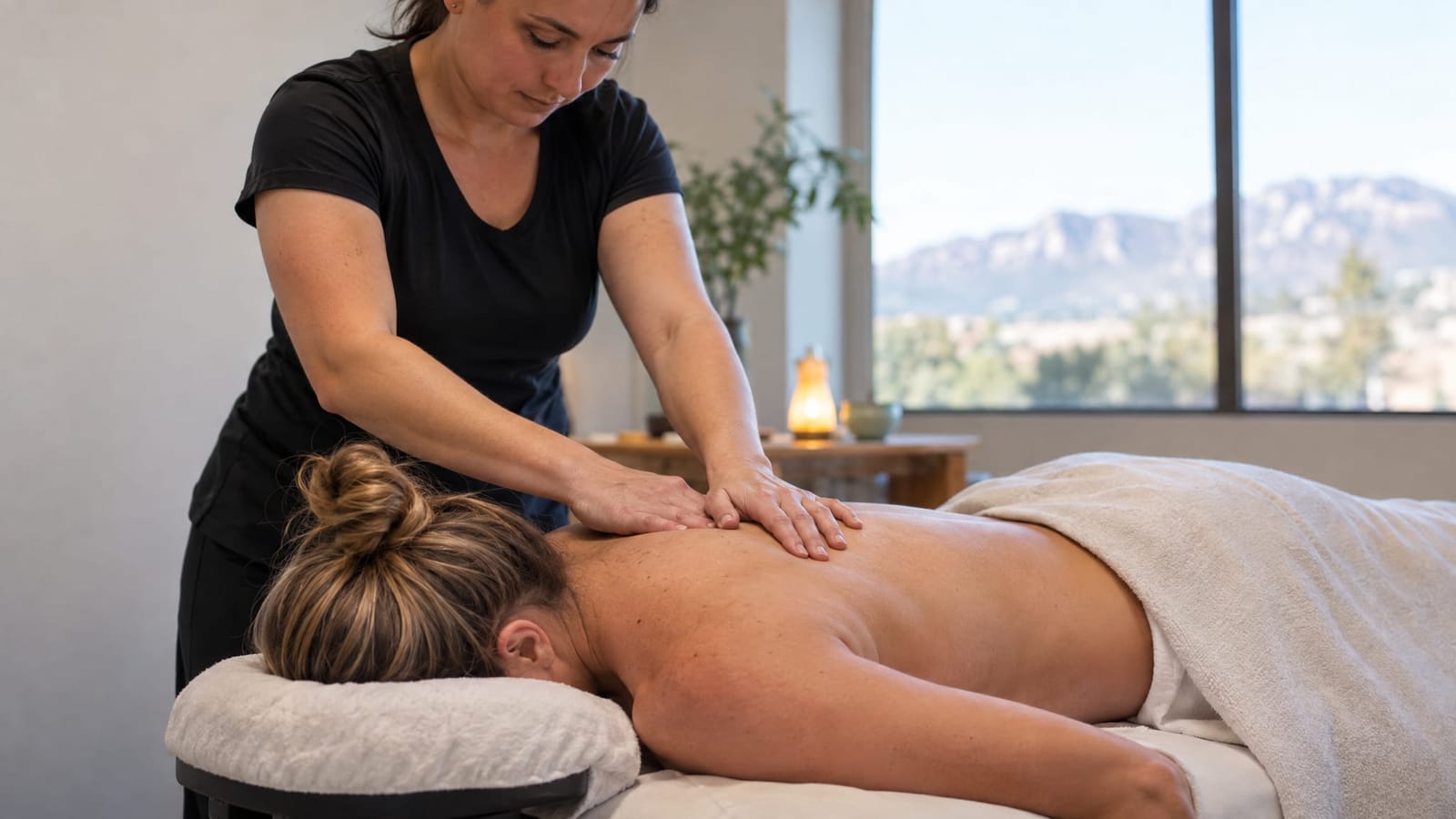
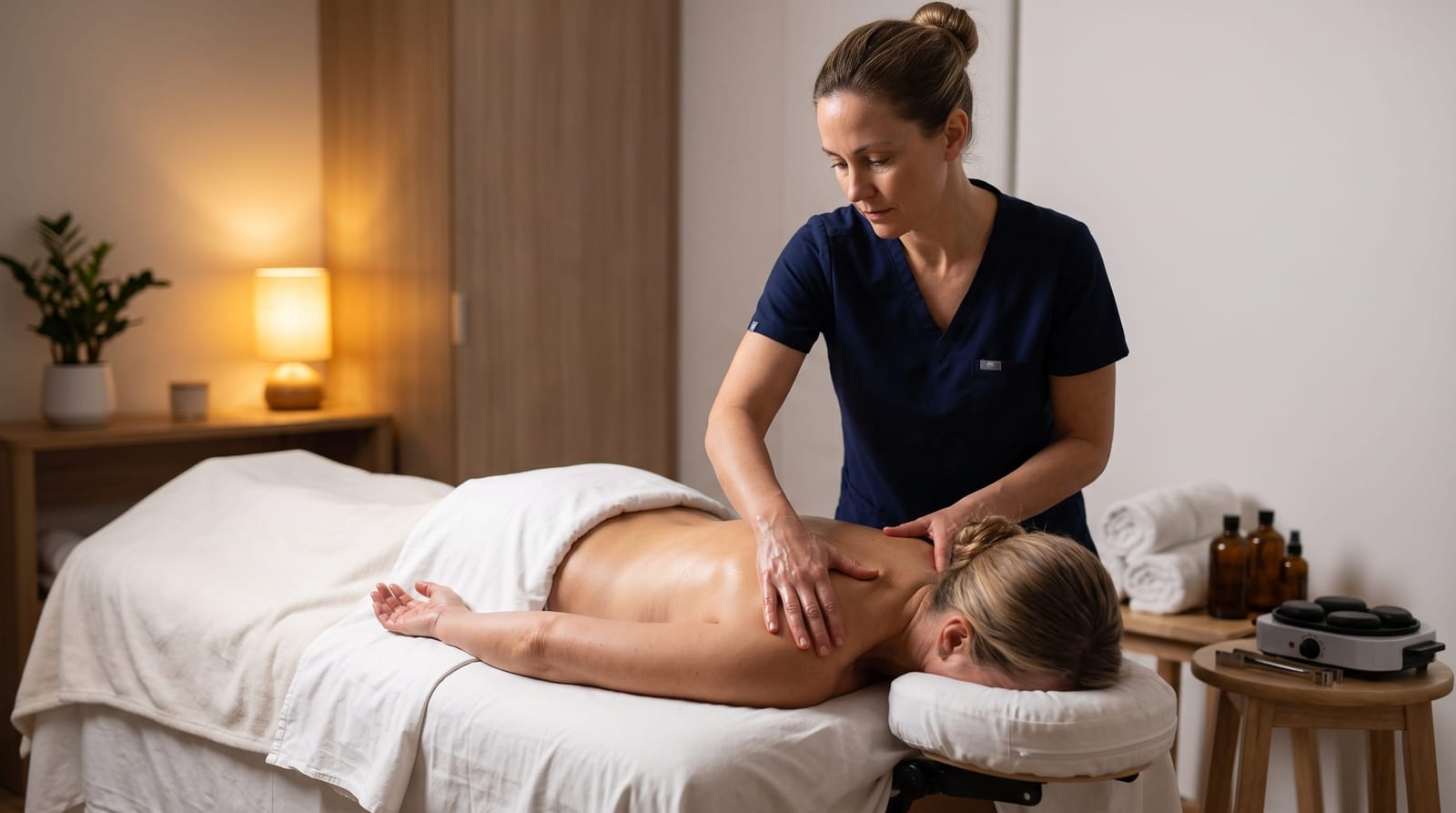
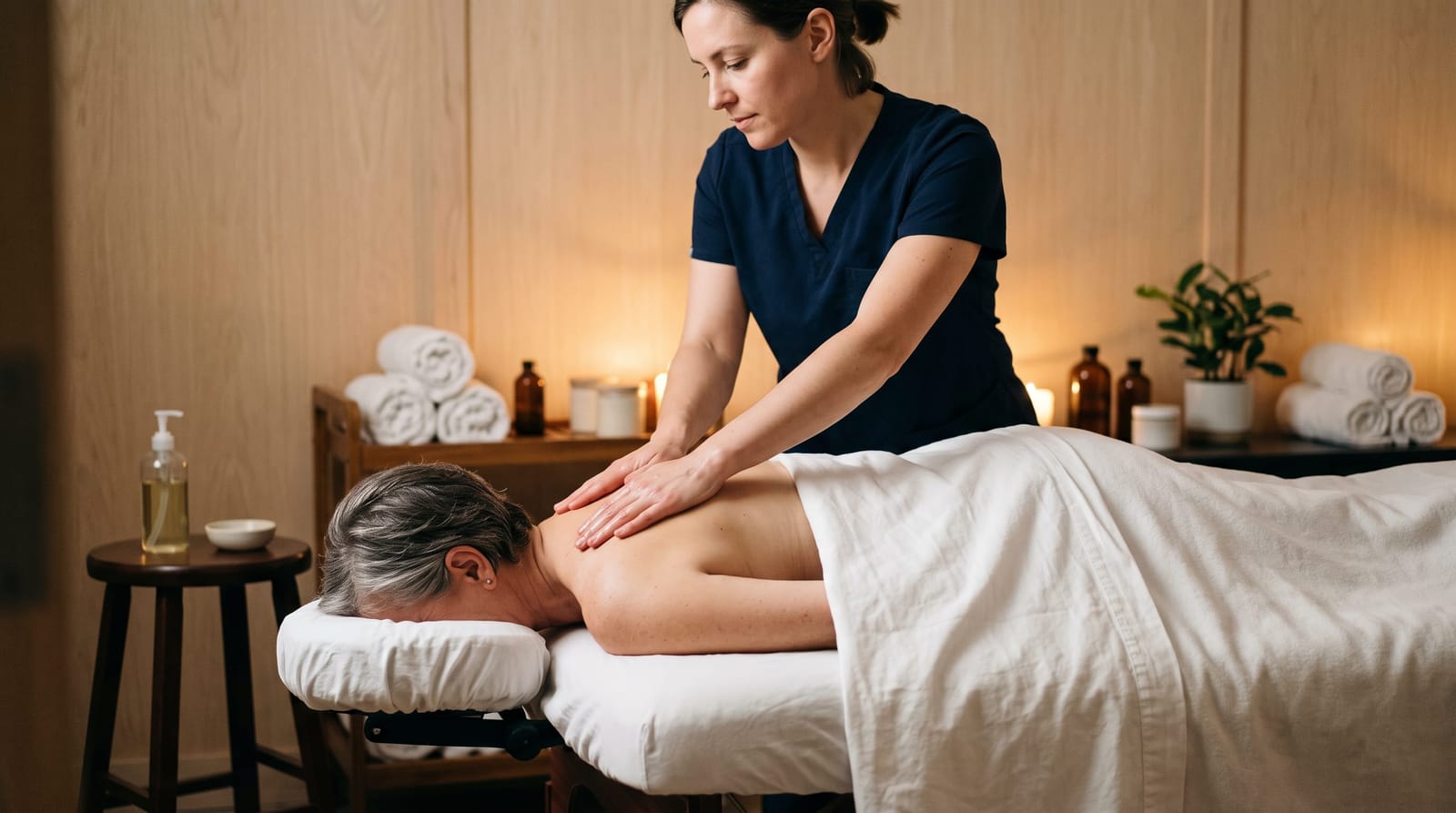
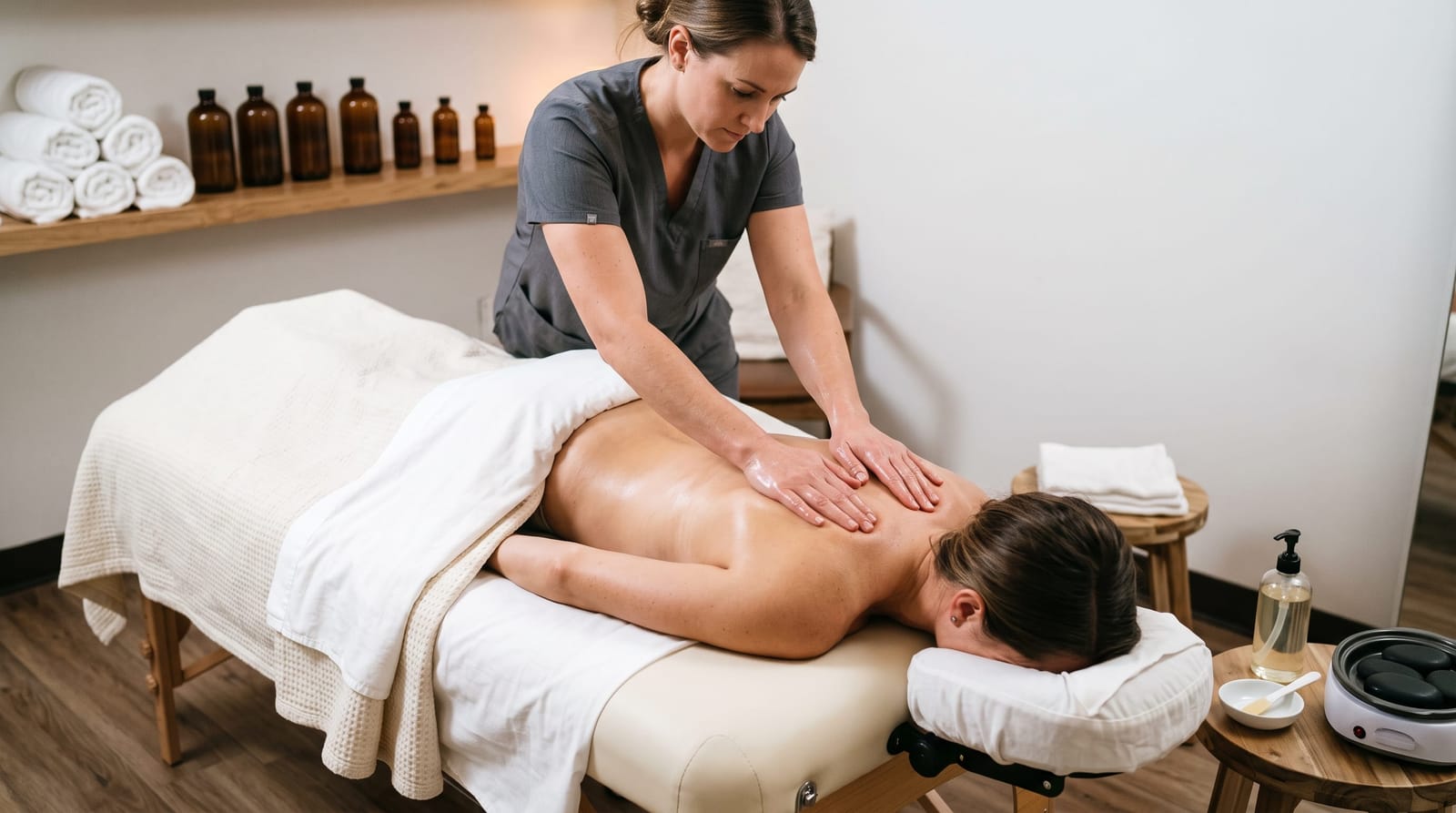
Massage therapy can provide time to relax and ease everyday muscle tension, but it is not a stand-alone solution for executive burnout. Its most useful role is as a supportive part of a routine that also leaves room for rest, movement, and manageable work demands.
For professionals in Colorado Springs, the practical questions are straightforward: What do you want from a session? What setting feels comfortable? How will appointments fit into an already demanding calendar? The answers matter more than choosing the strongest pressure or committing to a frequent schedule.
Separate Everyday Stress Relief from Burnout
Stress is not only mental. It can show up as muscle tension, irritability, difficulty concentrating, or trouble settling down for sleep. A demanding week may leave someone feeling physically tired while still mentally occupied with unfinished work.
Work-related burnout is a broader issue. It involves ongoing exhaustion, distance or cynicism toward work, and a reduced sense of effectiveness. A relaxing appointment does not change staffing shortages, unclear expectations, constant interruptions, or an unsustainable workload.
This distinction helps set a useful goal:
- For everyday stress: The goal might be a quiet break and greater physical comfort.
- For tension after desk work: The goal might be attention to specific areas that feel tight.
- For ongoing burnout: Massage belongs alongside a broader response to the pressures involved, rather than carrying the entire burden of relief.
Persistent exhaustion, significant sleep disruption, or symptoms that interfere with daily life need individualized assessment by a licensed healthcare or mental health professional. Our licensed massage therapists can address questions about massage suitability and session comfort within their scope.
Understand What Massage Can Contribute
A break from demands, not another performance target
A massage appointment creates a defined period without meetings, email, or decisions. For someone whose workday requires constant attention to other people, that separation can be an important part of the experience.
The session does not need to become another task to optimize. Comfortable pressure, clear communication, and enough time to settle in are more relevant than trying to achieve a dramatic physical response.
Feeling calmer is also different from measuring a change in cortisol. A useful massage goal is relaxation and comfort, rather than a promised hormone change or a “reset” of the nervous system.
Room to wind down, without promises about sleep
Relaxation and sleep are related goals, but they are not interchangeable. An appointment may feel restful while late-night work, an irregular schedule, or other factors continue to interrupt sleep.
If winding down is the priority, appointment timing deserves attention. A session followed immediately by a difficult meeting serves a different purpose from one followed by an unhurried evening. Neither requires a particular schedule, but the transition matters when deciding how massage fits into daily life.
Choose a Setting and Approach That Match Your Goal
Look for comfort, privacy, and clear communication
The best setting is not determined by whether massage happens in a fitness facility or a relaxation-focused environment. More useful considerations include the therapist’s qualifications, how preferences are discussed, and whether the surroundings support the experience you want.
At Total Body Works, we offer massage therapy with licensed massage therapists in our private fitness environment in Colorado Springs. We also offer personal training and movement analysis, giving clients access to distinct services for different goals.
That setting may appeal to someone who thinks about massage alongside strength, mobility, and an active lifestyle. It does not mean every massage needs to be intense or tied to a workout.
Match pressure to comfort, not ambition
More pressure is not automatically a better match for stress relief. A person accustomed to pushing through demanding projects may carry that same mindset into an appointment, even when the goal is to relax.
Pressure, positioning, areas of focus, and conversation preferences all shape the session. A relaxation-focused appointment and a session centered on a particular training-related concern can feel different. Clear preferences give the therapist a more useful starting point than a request for the deepest possible massage.
Plan the Appointment Around One Clear Priority
A short plan can make the experience more focused without turning it into another project.
-
Name the main goal.
Examples include general relaxation, attention to tense shoulders after computer work, or a quiet break during a demanding period. Several concerns can be discussed, but identifying the priority helps guide the conversation.
-
Describe the context.
Desk time, travel, training, and recent changes in routine provide useful background. Describing what feels uncomfortable and when it becomes noticeable is more helpful than trying to diagnose its cause.
-
Make room for the intake conversation.
Preferences, relevant health history, and previous massage experiences belong in this discussion. Someone who dislikes prolonged conversation may prefer to explain that before the session begins.
-
Consider the transition afterward.
A little calendar space can prevent an appointment from becoming another source of rushing. For example, a manager with back-to-back afternoon meetings might find a quieter day more suitable than squeezing massage between obligations.
Communication continues during the appointment. Preferences are not fixed once the session starts, and feedback about pressure or positioning helps keep the experience aligned with the original goal.
Decide Whether a Regular Schedule Is Useful
Regular appointments are not automatically more valuable than occasional ones. The practical question is whether the experience contributes something worthwhile and fits comfortably into the calendar.
An occasional session may provide a welcome pause during a demanding period. A recurring appointment may help someone protect time for themselves. Either approach can become counterproductive if attending creates more rushing or adds another obligation to an overloaded week.
At Total Body Works, we do custom packages and someone from the staff will reach out to discuss further.
Frequency is a useful topic for the conversation with the massage therapist, alongside goals and preferences. A schedule is easier to evaluate when it serves a clear purpose rather than an assumption that more is always better.
Account for Desk Work and Training Separately
When the concern is discomfort from long workdays
General stress and discomfort in a specific area are different concerns, even when they happen together. Someone who spends much of the day seated may want relaxation while also having questions about their lower back.
Our article on massage and lower back pain from sitting all day focuses on that narrower issue. For an appointment, useful details include where the discomfort occurs, when it becomes noticeable, and which positions feel comfortable. Those observations are more informative than assuming every ache comes from stress or posture alone.
When work pressure overlaps with an active lifestyle
A demanding job does not replace the physical demands of running, lifting, cycling, or recreational sports. If both are part of the week, distinguishing mental fatigue from training-related concerns helps clarify the purpose of massage.
Our guide to sports massage for masters athletes addresses the training-focused side of that decision. A stressful week does not automatically call for a sports-focused session, just as a hard workout does not mean relaxation is irrelevant.
The comparison of sports massage and deep tissue massage also helps separate a session’s purpose from its pressure. The name of a massage style alone does not explain how an individual appointment will feel.
Evaluate the Experience Without Turning It into Another Metric
A simple reflection is usually more useful than detailed tracking. After an appointment, a few questions can help guide future choices:
- Did the pressure and positioning feel comfortable?
- Was there enough opportunity to communicate preferences?
- Did the appointment provide the kind of pause you wanted?
- Did its timing fit the workday, or create extra rushing?
- Would a different focus make the next session more relevant?
Keep those observations separate from larger questions about work. Enjoying a session does not mean the workload has become manageable. Likewise, continued work stress does not erase the value of a comfortable, restful experience.
For burnout, the important distinction is between creating a pause and changing the conditions that make a pause necessary. Massage addresses one part of that picture, not every part.
Give Massage a Clear, Realistic Role
Massage therapy fits best when its purpose is specific: relaxation, physical comfort, or time away from demands. Choosing a suitable setting, explaining preferences, and protecting an unhurried place in the calendar can make that role clearer.
The aim is not to become better at tolerating an overloaded schedule. It is to make room for an experience that supports everyday well-being while giving the larger causes of professional stress their own attention.