How to Use Massage Therapy for Athletic Recovery in Colorado Springs
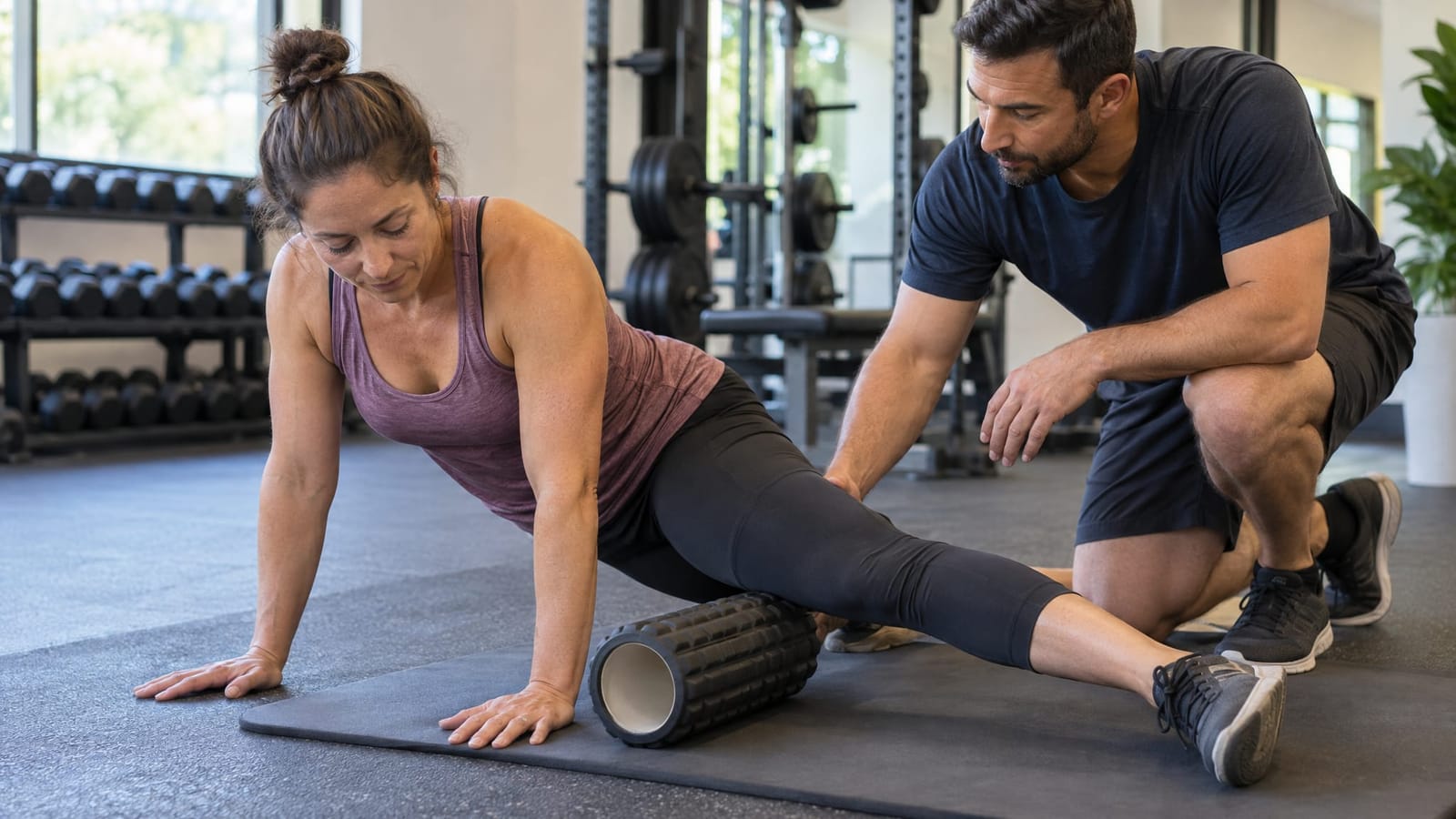
Massage therapy may ease post-exercise soreness, reduce feelings of tension, and make movement feel more comfortable. Its role in athletic recovery is supportive: feeling better after a session does not necessarily mean muscles have repaired faster or that the body is ready for a harder workout.
The practical question is how to make massage useful between training sessions, competitions, or physically demanding work. That starts with a clear goal, an appropriate level of pressure, and timing that fits your activity schedule.
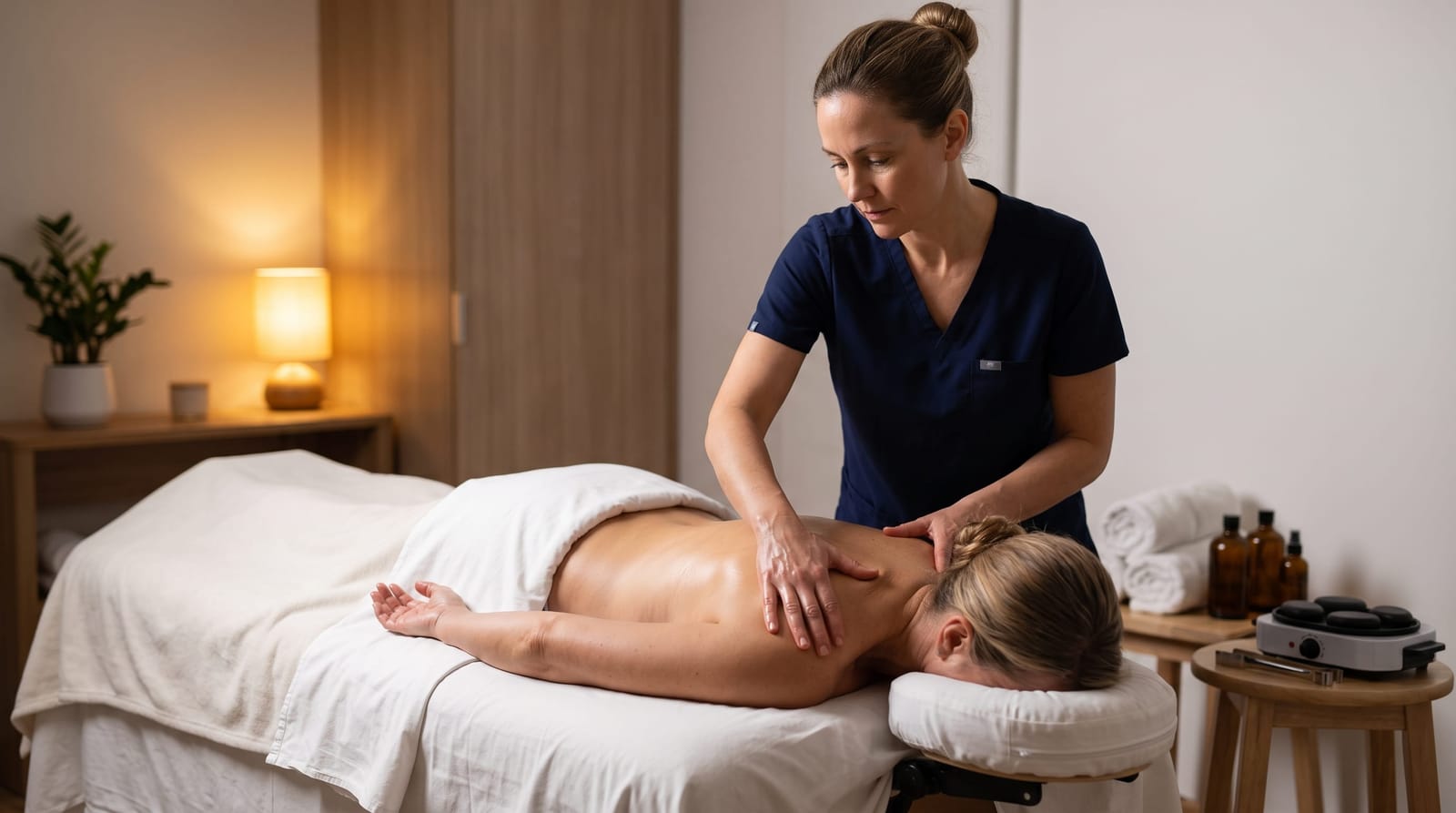
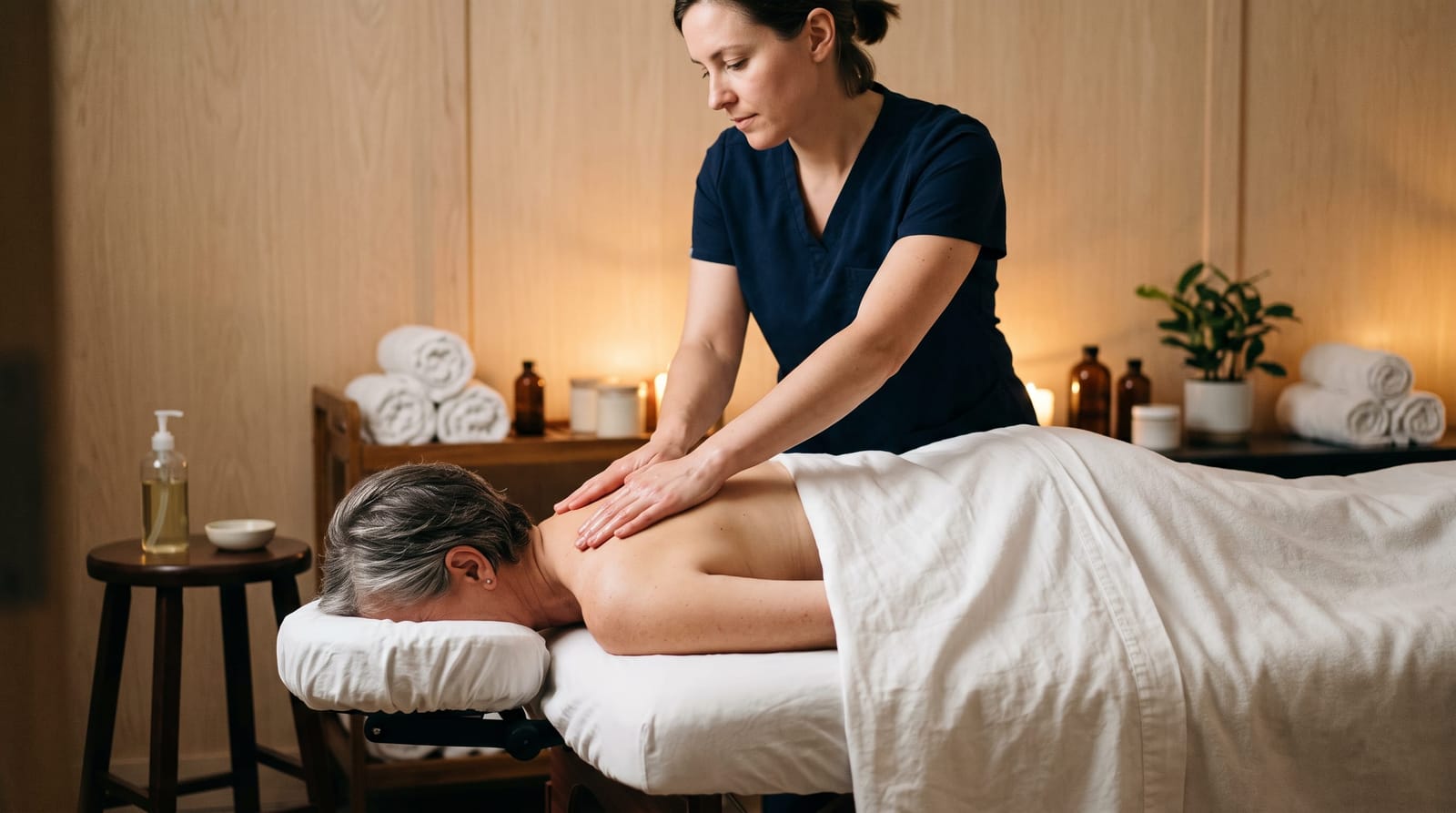
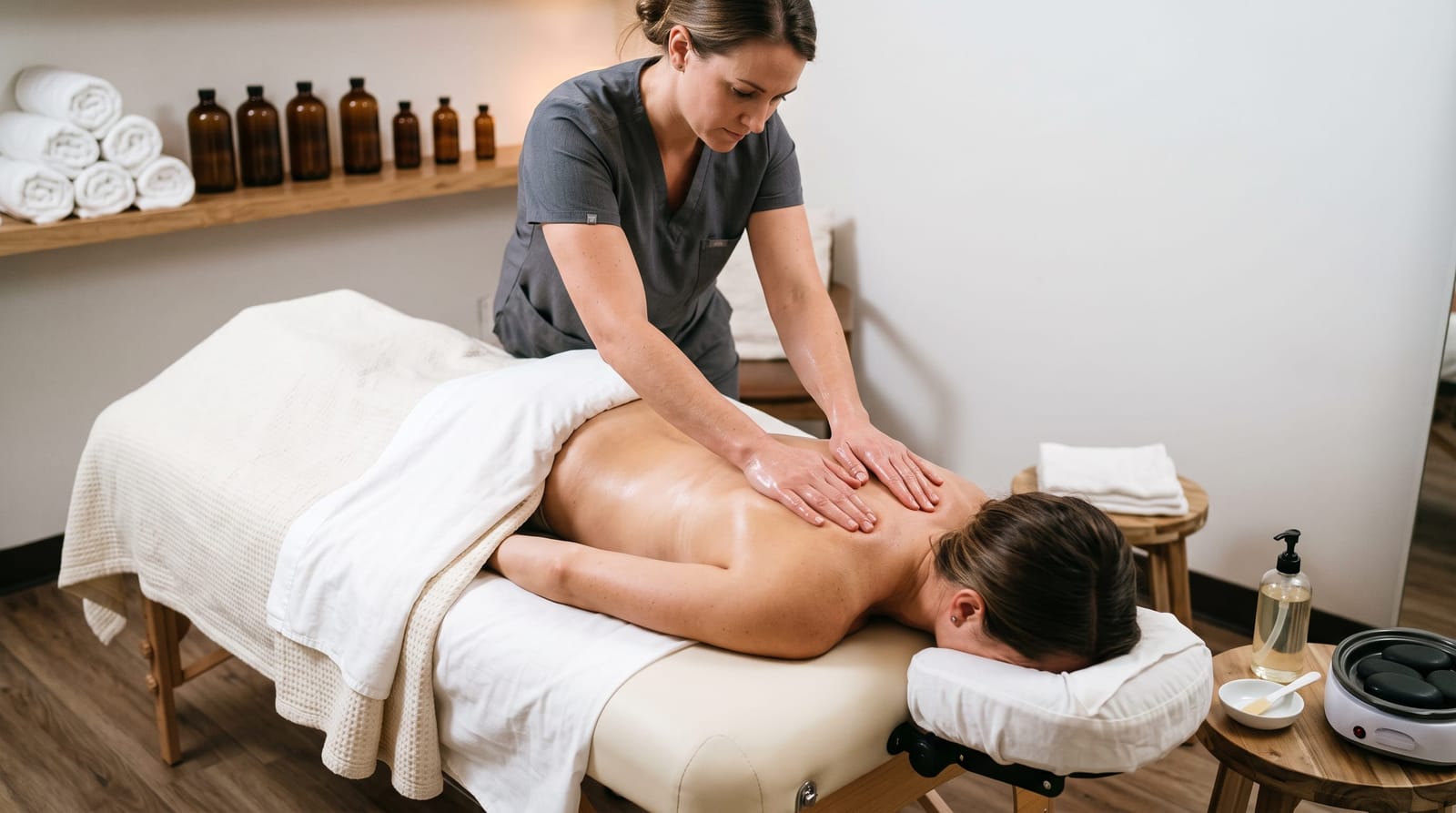
At Total Body Works in Colorado Springs, we offer massage therapy with licensed massage therapists in a private fitness environment, alongside personal training and strength and conditioning. Here is a step-by-step approach to fitting recovery-focused massage into an active routine.
Step 1: Define What You Want Recovery to Help You Do
“Recover faster” can mean several different things. It might mean feeling less sore at your desk, moving comfortably through a warm-up, or feeling ready for another demanding training session. Those goals overlap, but they are not interchangeable.
Before choosing a session, put your goal into everyday terms:
- Comfort: Your legs feel sore after a demanding hike, and sitting through the workday is uncomfortable.
- Ease of movement: Your shoulders feel tight during familiar movements after a busy training week.
- Relaxation: You want time to settle down after a competition or a stretch of demanding work.
- Training readiness: You want to understand how you feel before returning to your planned activity, without treating massage as clearance to increase effort.
For example, a runner with tired calves after a hilly route has a more useful starting point than someone requesting “the deepest massage possible.” Describing the activity, the area involved, and what comes next gives the session a purpose.
Recovery also includes sleep, time between demanding efforts, and a manageable training workload. Massage fits within that larger picture rather than replacing it.
Step 2: Separate Soreness Relief From Faster Muscle Repair
Understanding the distinction between comfort and physical readiness helps keep expectations realistic.
Delayed-onset muscle soreness
Delayed-onset muscle soreness is the discomfort that develops after unfamiliar or more demanding activity. It commonly follows movements in which muscles work while lengthening, such as lowering a weight or controlling your descent on a trail.
Massage applies pressure and movement to soft tissues. For recovery planning, the useful outcome to notice is how soreness or tension feels afterward. That feedback matters, but soreness alone is not a complete measure of strength, endurance, or readiness for another hard session.
A less sore leg is not automatically a fully recovered leg. Likewise, a demanding workout does not need to produce soreness to have been worthwhile.
Circulation and inflammation
Circulation, inflammation, and muscle repair are related parts of the body's response to activity, but they are different processes. A feeling of warmth or relaxation during massage does not establish that inflammation has decreased or that muscle repair has finished sooner.
Post-workout soreness is also not simply lactic acid waiting to be cleared away. Describing massage as “flushing toxins” gives an inaccurate picture of recovery. A more useful focus is whether the session helps with comfort and fits the demands of your routine.
Range of motion
Moving more comfortably after a session is useful feedback. It is different from developing lasting mobility, which involves being able to use and control movement during everyday activities and training.
Rather than testing the deepest possible stretch afterward, compare a familiar, comfortable movement before and after the session. Notice ease and comfort without treating a temporary change as proof that you are ready for more load.
Step 3: Choose the Approach by Purpose, Not Pressure
Sports massage and deep tissue massage are not competing levels of intensity. Sports massage describes an activity-related purpose. Deep tissue massage describes an approach that works with deeper layers of soft tissue. A recovery-focused session can involve either lighter or firmer work, depending on the person and the goal.
More pressure is not automatically more useful. Discomfort during a session is not a scorecard for effectiveness, and feeling sore afterward does not prove that the session worked better.
Useful details to communicate include:
- The activities you have done recently.
- The areas that feel tired or restricted.
- Pressure that feels comfortable or excessive.
- How your body responded to previous massage sessions.
- Your next planned workout, event, or demanding workday.
Our comparison of sports massage and deep tissue massage explores that distinction further. The practical choice is the approach that matches your purpose, not the one with the most intense description.
Step 4: Fit the Session Around Your Activity Schedule
There is no single massage schedule that suits every athlete or active adult. Timing depends on the demands of the activity, your previous response to massage, and how much flexibility your week allows.
Before a competition or important workout
An unfamiliar, forceful session introduces another variable close to an event. Some people experience tenderness after firm massage, making familiarity and comfort useful considerations when an important effort is approaching.
The aim of a pre-event session is different from an extended session during a quieter training week. Explaining what is coming next helps keep that distinction clear.
After a demanding effort
A hard hike, tournament, or lifting session can leave the body tired as well as sore. That does not automatically make stronger pressure the better choice. Overall fatigue, tenderness, and personal preference all belong in the conversation.
Between regular workouts
A sustainable approach fits the rest of the week. For someone who trains before work, a massage appointment that disrupts sleep or creates a rushed evening adds a different kind of burden.
The question of massage between workouts is therefore partly a scheduling decision. An occasional session during a demanding training block and a repeating appointment serve different routines. Neither is inherently better simply because it involves more visits.
Step 5: Make the Session a Two-Way Conversation
A recovery-focused session benefits from information more specific than “I exercise regularly.” Activity type, recent changes, and your next commitment help explain what you want from the appointment.
A concise description might sound like this: “I added more hills to my walks this week. My calves feel tired, and I have a long day on my feet tomorrow. I prefer moderate pressure.” That communicates workload, location, timing, and preference without requiring technical language.
Useful topics to discuss include pressure, areas of focus, areas you do not want worked on, and positioning that feels comfortable. You can request a change during the session; tolerating unwanted pressure is not part of successful recovery planning.
For persistent or unusual pain, an injury, or a medical condition, a licensed healthcare professional needs to assess your individual situation and whether massage is appropriate. Recovery-focused massage does not replace that assessment.
At Total Body Works, our approach centers on listening to individual needs. We do custom packages, and someone from our staff will reach out to discuss further.
Step 6: Judge the Pattern, Not Just the Immediate Feeling
A relaxing appointment can be worthwhile on its own. When athletic recovery is the goal, looking beyond the first few minutes afterward gives you a more useful picture.
A simple record can include:
- Before: Recent activity, general soreness, and the movement you want to feel more comfortable doing.
- After: Comfort, ease of movement, and any tenderness from the session.
- At your next activity: How you felt during your usual warm-up and whether the session fit your routine.
This is not a test of muscle repair. It is a way to notice preferences and patterns without assuming every good or difficult workout resulted from massage. Changes in training, sleep, and workload also influence how you feel.
For masters athletes, the long-term question is whether the routine remains useful and manageable across changing training demands. Our discussion of sports massage for masters athletes considers that broader context. Current activity and individual response are more useful starting points than assumptions based on age alone.
When other services enter the recovery plan
We also offer ARPwave Neuro Therapy, a separate service discussed in our article on massage therapy and ARPwave. Choosing massage does not mean every other service belongs in the same plan. Each service needs a clear purpose; adding appointments is not itself a measure of progress.
A Practical Role for Massage in Athletic Recovery
The most useful recovery massage has a defined purpose, comfortable pressure, and a place in a manageable routine. Its value is not measured by how intense the session feels or how quickly you return to hard training. It is measured by whether it supports comfort and complements the habits that keep you active over time.