Sports Massage for Masters Athletes: Train Hard, Recover Smarter
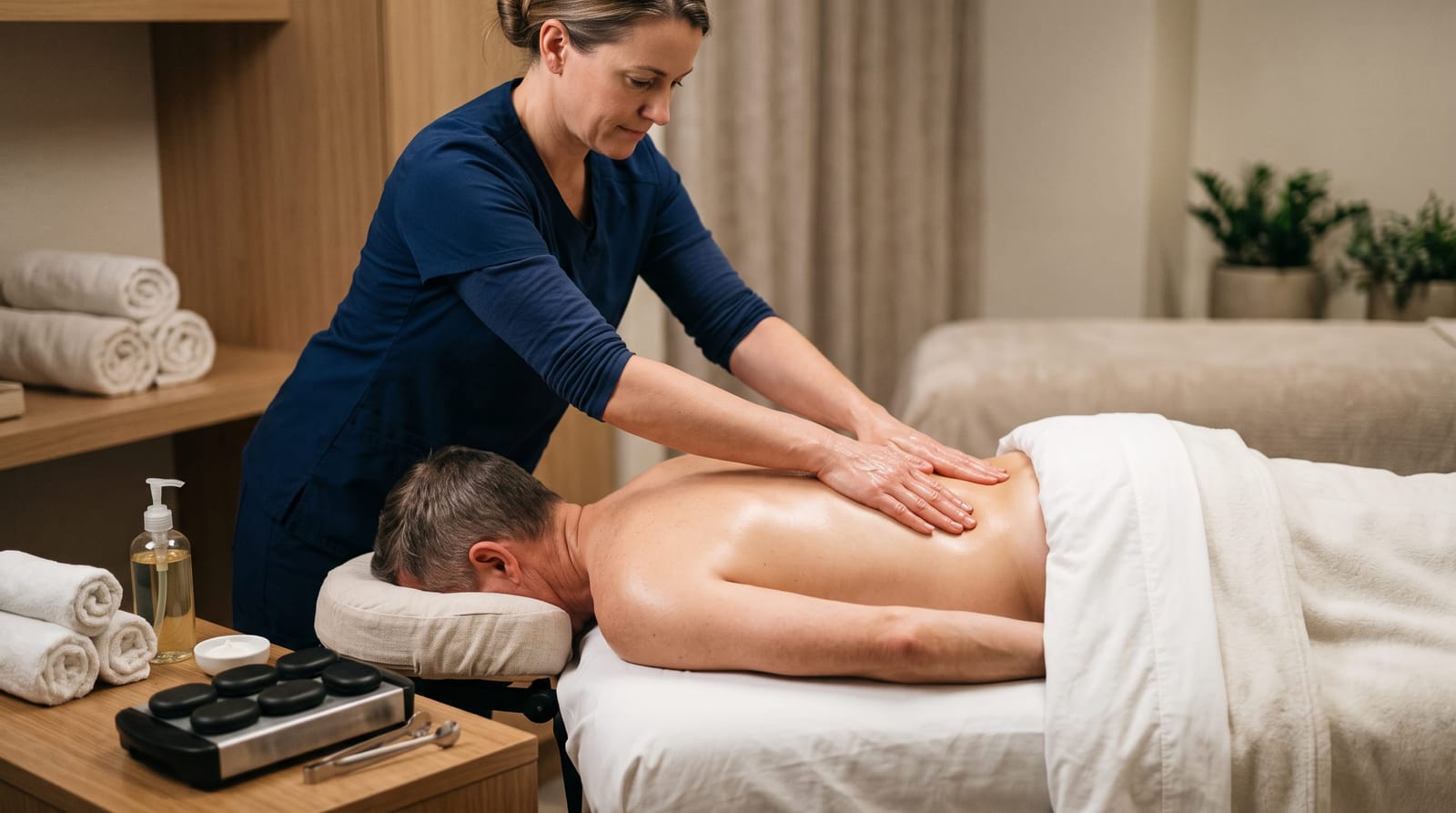
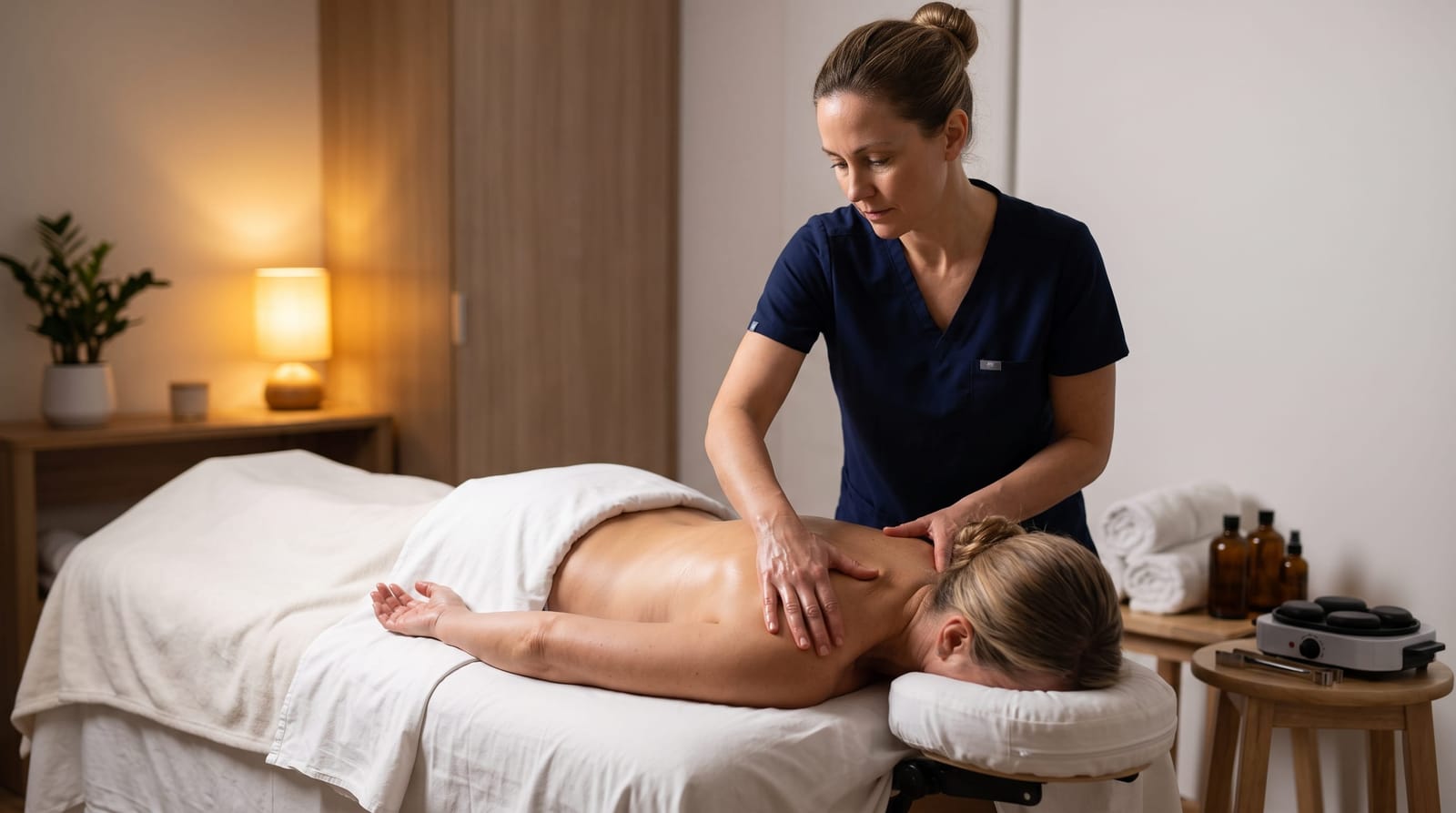
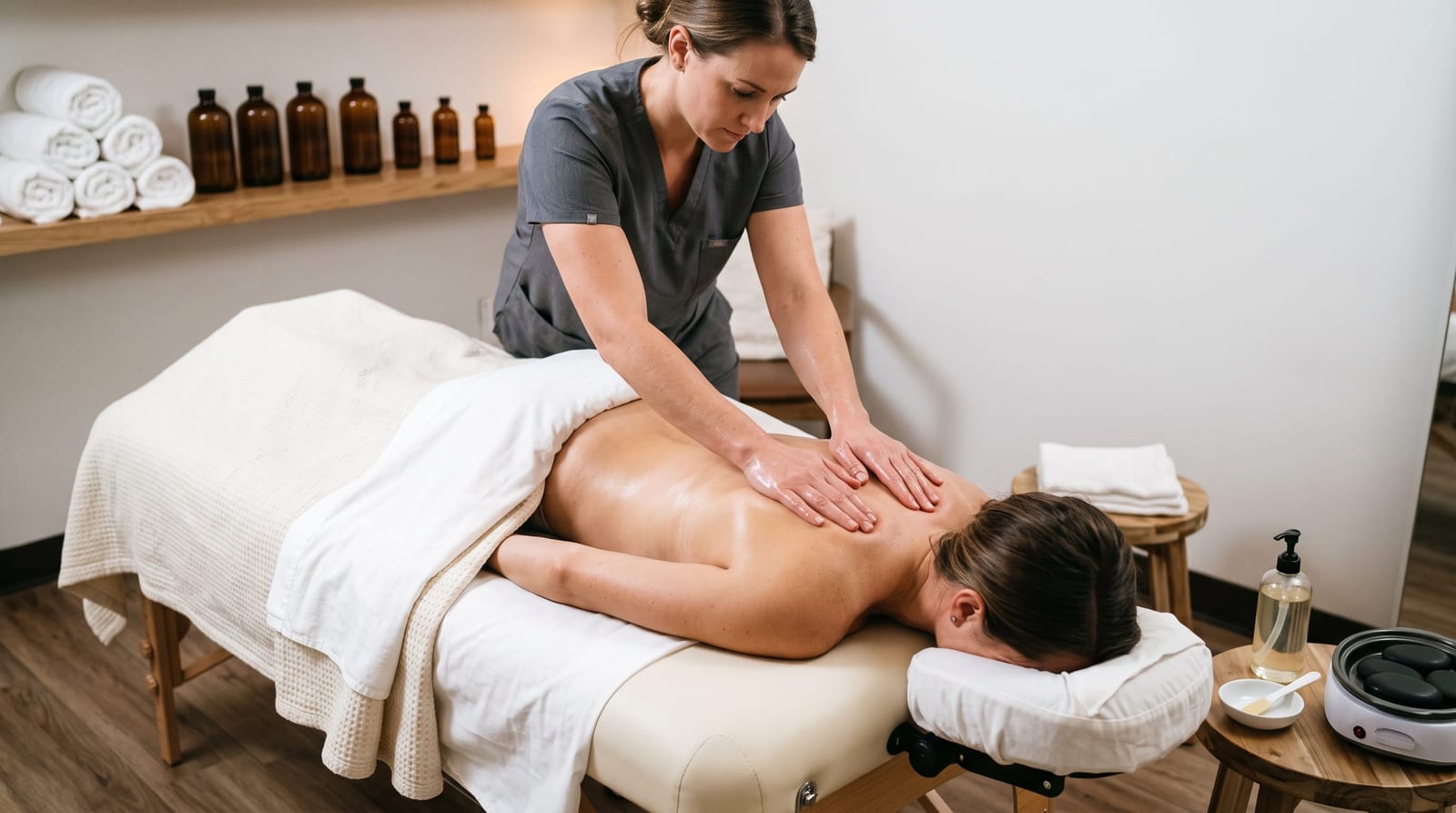
Sports massage for masters athletes is activity-focused bodywork shaped by your sport, training schedule, and comfort preferences. Its practical purpose is to address goals such as relaxation and attention to tired or tense areas, not to promise faster race times or replace injury care.
For a runner, that may mean discussing how the legs feel between training sessions. For a pickleball player, it may mean focusing on areas used repeatedly during play. The useful question is whether the appointment serves a clear purpose without disrupting the rest of your training routine.
What Makes Sports Massage Different?
Sports massage is organized around an active person’s needs rather than a single technique. An activity-focused session may combine kneading, deeper pressure, focused work, and stretching, with the approach varying by the purpose of the appointment (Hinge Health’s overview of sports massage).
That distinction matters because “sports,” “deep tissue,” and “relaxation” describe different aspects of massage:
- Sports massage: The session’s focus connects to a sport or activity and the individual’s goals.
- Deep tissue massage: The term describes an approach to working with deeper tissues, not necessarily an athlete-focused appointment.
- Relaxation massage: The primary goal is a calming, comfortable experience rather than attention to a particular training demand.
These categories can overlap. A sports massage may feel relaxing, and a relaxation appointment may include attention to tired legs or shoulders. Strong pressure alone does not make a session more relevant to an athlete.
The Training Conversation Matters
For a cyclist preparing for a long event, “I want the deepest massage available” gives the therapist less useful information than “My event is this weekend, I have another ride tomorrow, and I prefer an approach that will not leave me feeling sore.”
The second description opens a discussion about timing, pressure, and session focus. You do not need to diagnose a muscle problem or choose a technique to explain what you want from the appointment.
What Masters Athletes Can Reasonably Expect
For athletes balancing competition with work, travel, and other responsibilities, the value of massage may be practical: time to unwind, attention to areas that feel tense, and an opportunity to discuss comfort preferences with a massage professional.
Feeling more comfortable and being ready for a harder training load are separate questions. An enjoyable appointment is not a fitness test or clearance to return to sport. Evaluate the session against the goal you described, rather than treating it as proof of improved endurance, tissue repair, or injury prevention.
Our overview of massage therapy for athletes over 50 explores how massage fits alongside training. The important distinction is between supporting a recovery routine and expecting one service to determine athletic results.
Age Is Context, Not a Complete Assessment
Two athletes of the same age can have very different training histories, health considerations, and preferences. One may be entering organized events for the first time; another may have decades of competition experience.
Age alone does not determine appropriate pressure, session focus, or appointment frequency. Individual preferences and responses are more useful than assuming that every masters athlete needs either unusually gentle work or aggressive pressure.
Keep Comfort Goals Separate From Medical Claims
Massage descriptions sometimes use phrases such as “breaking up adhesions,” “restoring range of motion,” or “flushing inflammation.” These phrases can blur the difference between a comfort-focused appointment and a medical assessment.
- Tightness: A tight feeling does not, by itself, identify an adhesion. Describing where you notice the sensation, when it occurs, and how it changes during activity gives the therapist useful context without assuming a diagnosis.
- Movement: “I would like turning during my golf swing to feel more comfortable” is a clear goal. Identifying why that movement feels limited is a separate question.
- Inflammation and healing: Feeling relaxed or more comfortable after massage is not a measure of inflammation or injury healing.
This article provides general education, not medical advice. For pain, swelling, an injury, persistent movement limitations, or questions about whether massage is suitable, a licensed healthcare professional can assess your individual situation.
How Training Cycles Change the Appointment Conversation
Pre-event, post-event, and maintenance massage describe different points in a training schedule, not standardized techniques. Each calls for a slightly different discussion.
Pre-Event: Discuss Familiarity and Timing
Before an event, useful details include when competition begins, what training remains beforehand, and how previous massages have felt afterward.
A triathlete who enjoys firm pressure during an ordinary training week may prefer a familiar, less demanding approach shortly before a race. Useful questions include how the proposed session compares with previous appointments, how pressure can be adjusted, and what sensations to expect afterward. Pre-event massage does not replace the athlete’s usual preparation routine.
Post-Event: Describe the Experience, Not Just the Sport
After competition, explain what felt demanding, which areas you want addressed, and any areas you prefer left alone. “I finished a long ride” provides context, but “My shoulders felt tense during the final part of the ride, and I would prefer light pressure there” is more specific.
A post-event label does not make every technique suitable for every person. The session’s focus still depends on individual circumstances and comfort preferences.
Maintenance: Evaluate Usefulness Instead of Following a Fixed Calendar
Ongoing appointments can fit around training blocks, personal preferences, and your response to previous sessions. A schedule that suits one athlete may not suit another.
A short note after each appointment can make the next discussion more productive:
- Was the pressure comfortable during the session?
- How did you feel afterward and during the next planned activity?
- Did the appointment address the goal you described?
- Would a different focus or timing fit your routine better?
These observations help you judge the usefulness of the experience without turning it into a claim about athletic performance.
Choosing a Setting: Look Beyond “Clinical” or “Spa”
A relaxation-focused setting may suit someone seeking quiet time. An activity-focused environment may suit someone who wants training context to shape the appointment. Neither label alone tells you about practitioner qualifications or the quality of communication.
When comparing massage options in Colorado Springs, practical questions include:
- What credentials and relevant experience does the massage practitioner have?
- How does the practitioner use information about a sport and event schedule?
- How are pressure preferences, consent, and areas to avoid discussed?
- How can a client request an adjustment or stop the session?
- How does the practitioner handle concerns outside massage’s scope?
Clear answers are more useful than décor, a service label, or strong performance language.
Preparing for Massage at Total Body Works
Our Colorado Springs facility offers massage services within its private gym environment. Our massage therapists are licensed.
A useful starting description can be brief: “I cycle regularly and have an event coming up. I’m interested in comfort around my training, and I prefer moderate pressure.” Recent activity, upcoming sessions, previous massage experiences, and areas you want left alone help give that description context.
Other practical topics include clothing and draping arrangements, time for discussion, the agreed session focus, and how to request changes during the appointment. These details help make expectations clear before hands-on work begins.
We do custom packages, and someone from the staff will reach out to discuss further.
Training Partners Can Have Different Recovery Preferences
Shared training does not require identical massage preferences or appointment timing. Two people preparing for the same event may want different experiences: one may value a relaxing session, while the other prefers focused attention to activity-related tension.
Our guide to couples’ athletic recovery in Colorado Springs explores planning a shared routine while leaving room for individual needs. Coordinating calendars can be convenient, but each person’s session can still have its own purpose, pressure preferences, and focus.