On-Site vs. Private Studio Corporate Wellness: Which Model Gets Better Results?
When organizations in Colorado Springs begin exploring corporate wellness programs, one of the first structural questions that comes up is deceptively simple: where should the work actually happen? On-site fitness setups, think a converted break room with some equipment, or a contracted trainer who visits your office, have become a popular option for companies looking to add wellness benefits without disrupting the workday. But private studio-based programs offer something meaningfully different. As we explore throughout our corporate wellness program Colorado Springs resource, the quality of the environment, the expertise of the coaching team, and the consistency of the experience all shape whether employees actually show up, stay engaged, and build lasting habits. This comparison examines both models honestly so you can make an informed decision for your team.
Understanding the On-Site Corporate Wellness Model
On-site corporate wellness programs bring fitness and wellness support directly into the workplace. This might mean a company installs a small gym in an unused office, contracts a trainer to lead group classes in a conference room, or brings in periodic wellness coaching sessions for employees during the workday.
The appeal is real: convenience is one of the most commonly cited barriers to consistent exercise, and removing the commute to a separate facility seems like a logical solution. Employees can theoretically squeeze in a workout before a meeting or during a lunch break without leaving the building.
Where On-Site Programs Work Well
For large corporations with significant physical space and dedicated HR infrastructure, on-site wellness can be a meaningful piece of a broader wellness strategy. If a company has hundreds of employees across a large campus and can invest in a fully equipped fitness center with qualified staff, the on-site model has genuine advantages in terms of accessibility and visibility.
Where On-Site Programs Struggle
The challenges become apparent quickly for most Colorado Springs businesses. Office environments are rarely designed with focused fitness or recovery work in mind. Space constraints limit the type and quality of equipment available. Employees often feel self-conscious exercising in front of coworkers and supervisors: a dynamic that quietly undermines participation. And perhaps most importantly, the blurring of work and wellness boundaries can make it harder for employees to mentally shift into a recovery-focused mindset when their inbox is twenty feet away.
For small and mid-sized businesses, which make up the majority of employers in the Colorado Springs area, building and maintaining a dedicated on-site facility is often cost-prohibitive relative to the benefit delivered. Affordable corporate wellness for small businesses in Colorado Springs increasingly points toward flexible, off-site partnership models as a more practical and effective alternative.
What a Private Studio Corporate Wellness Program Offers
The corporate wellness training studio vs on-site Colorado Springs conversation often shifts decisively once business owners and HR managers visit a private training studio environment. What distinguishes a purpose-built wellness studio isn't just the equipment: it's the entire ecosystem that supports focused, effective, personalized wellness work.
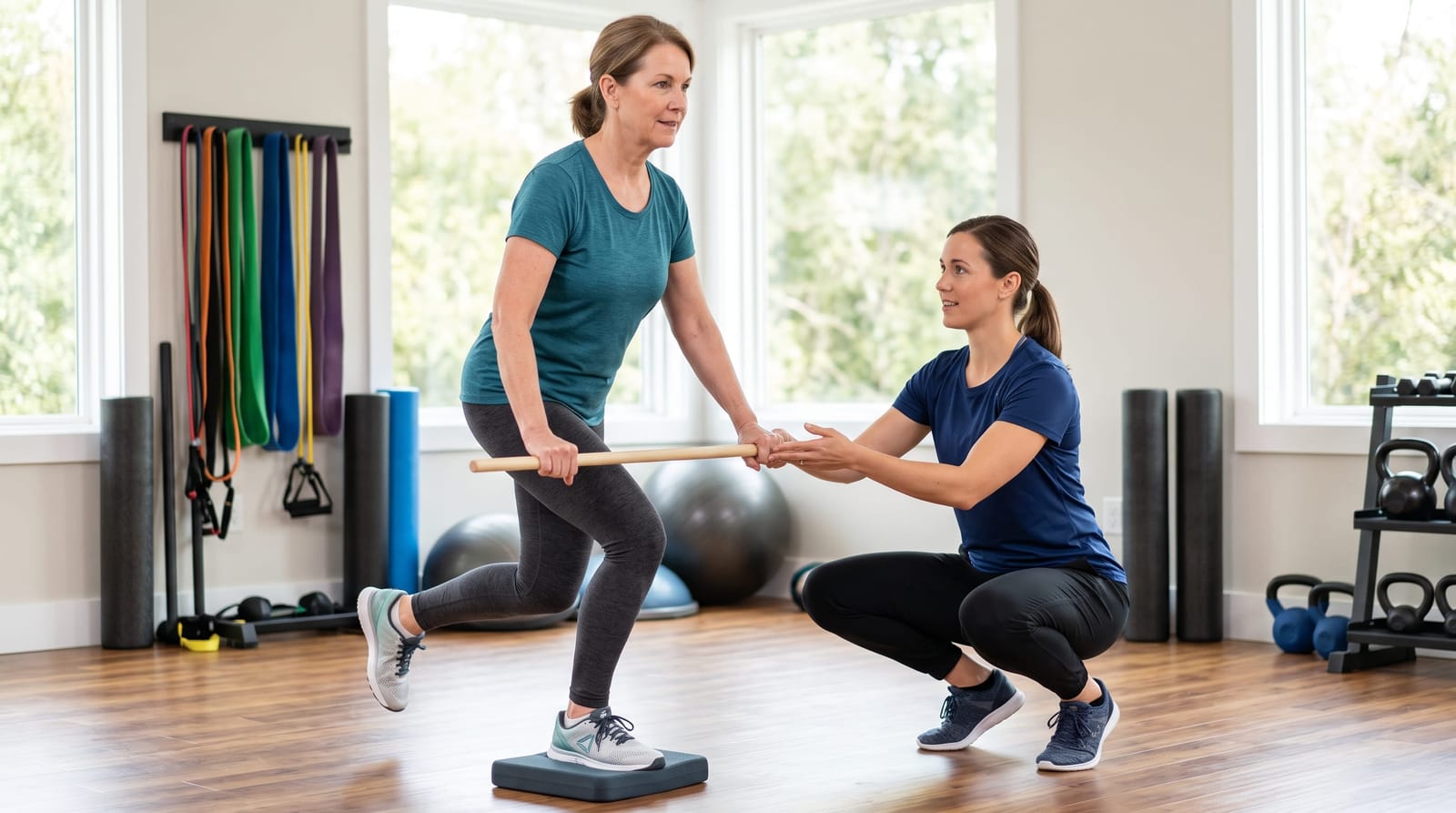
At a private studio like Total Body Works, corporate clients aren't sharing space with a hundred strangers or working out in a repurposed conference room. The environment is designed from the ground up for focused movement, recovery, and coaching. That distinction matters more than it might initially seem.
Purpose-Built Spaces Produce Better Focus
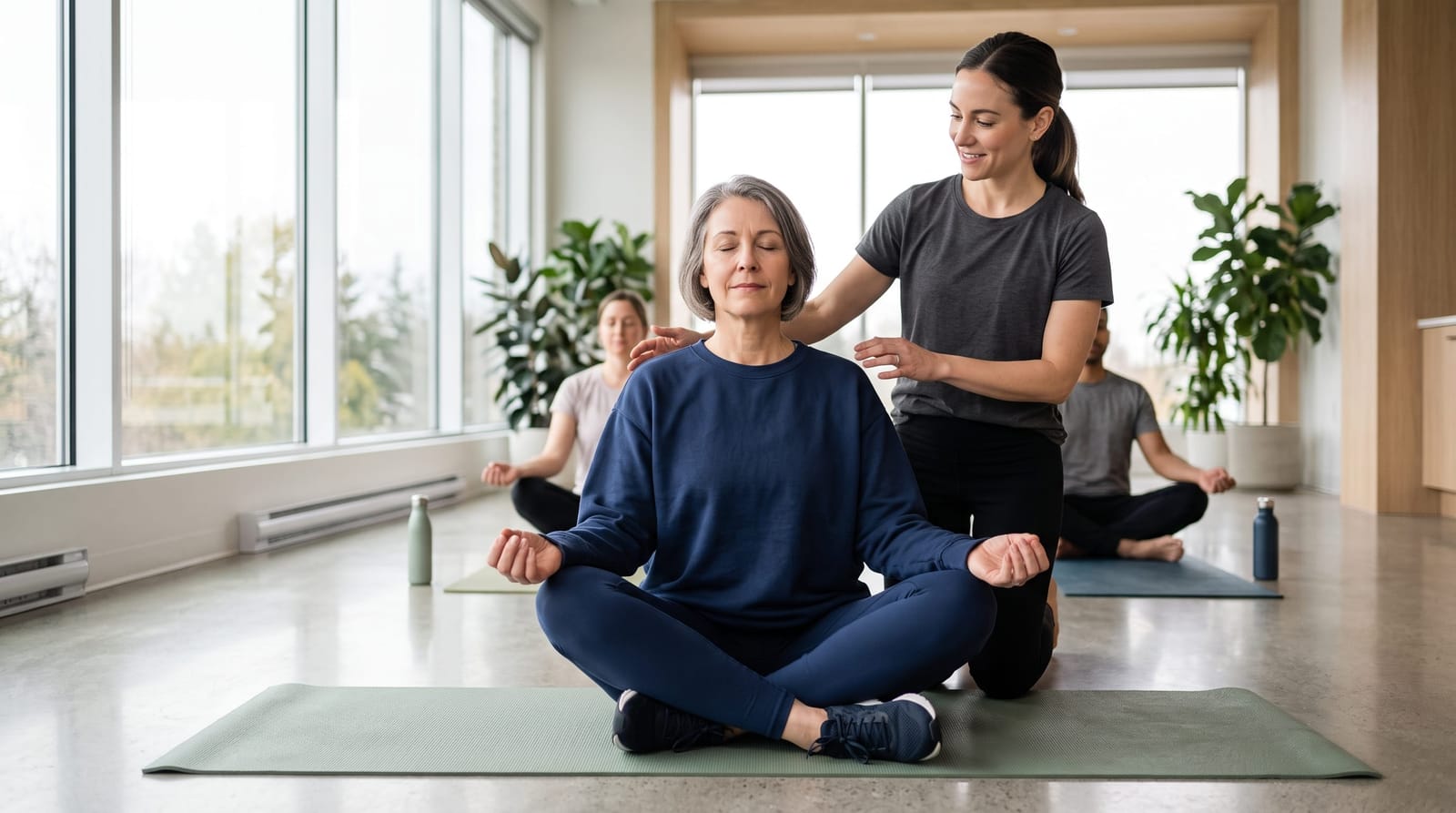
Research consistently supports what experienced trainers observe every day: environment shapes behavior. When employees step into a professional wellness studio, they mentally and physically separate from the pressures of the workday. That transition, even when it requires a short drive, actually supports the mental reset that makes wellness sessions more effective. Participants arrive ready to focus on themselves, rather than mentally managing work demands from the previous meeting.
Professional Equipment and Specialized Modalities
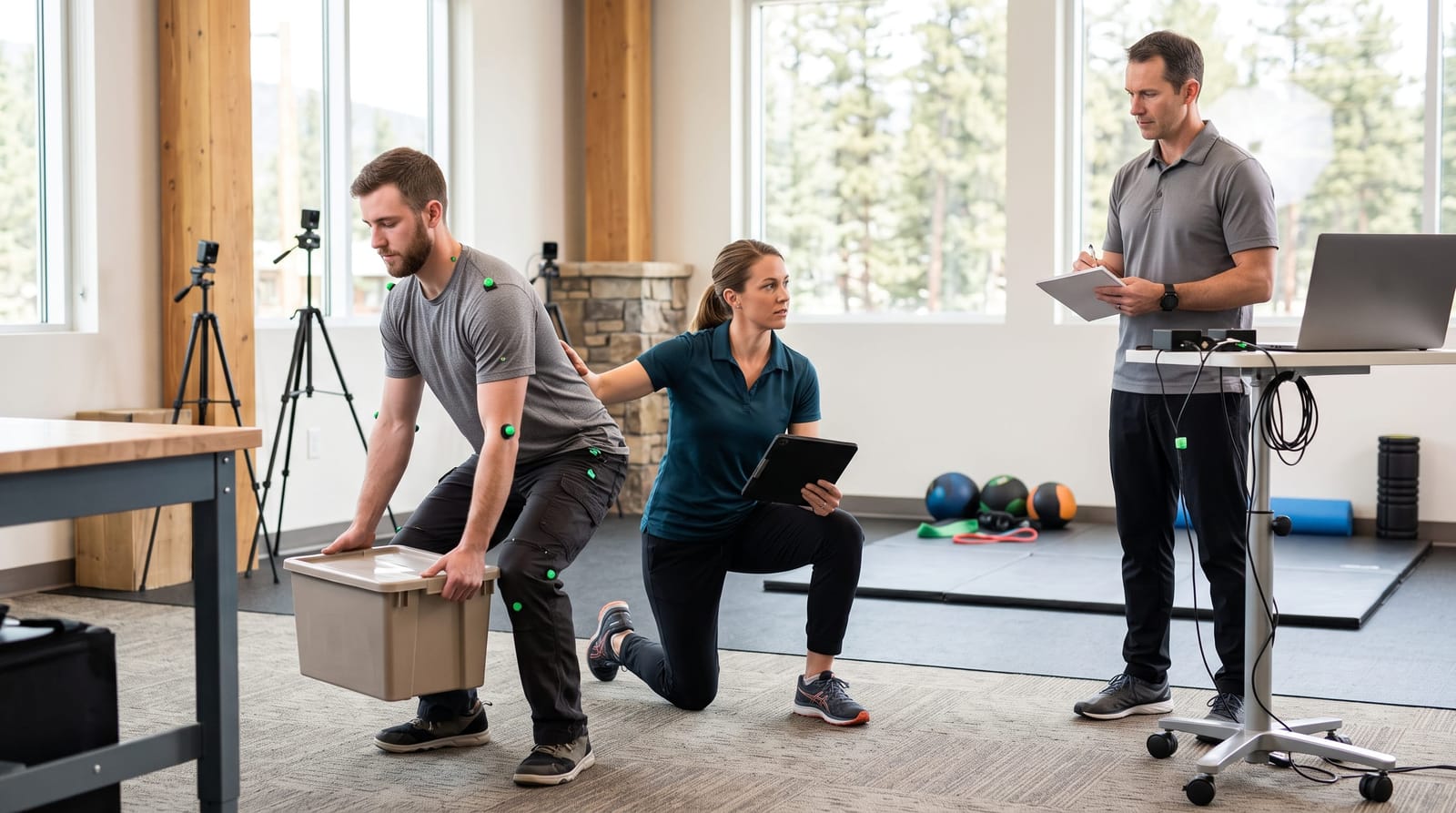
A private studio can house specialized equipment, recovery tools, and assessment technology that no reasonable office environment could accommodate or justify. This allows wellness programs to incorporate movement analysis, targeted strength training, mobility work, and recovery support in ways that go far beyond what a few dumbbells in a supply closet could offer. For executives and high-performing employees, this depth of capability is what separates a meaningful wellness investment from a checkbox benefit.
The Adherence Problem: and Why Environment Solves It
The most sophisticated corporate wellness program in the world delivers zero value if employees don't actually use it. Adherence, consistent, long-term participation: is the real measure of any program's success, and it's where the on-site versus studio comparison becomes most stark.
On-site programs frequently suffer from what wellness professionals call "proximity without priority." The facility is right there, but because it's embedded in the workplace, employees de-prioritize it the moment a deadline looms or a meeting runs long. There's no psychological separation, no commitment signal, and no sense that the wellness time is protected from work demands.
Scheduled, Off-Site Sessions Create Commitment
When an employee has a scheduled appointment at a private studio with a personal trainer who knows their name, their goals, and their history, that appointment carries a different weight. There's a relational commitment, not just a facility membership. This accountability structure, a trained professional who notices when you don't show up, is one of the most powerful drivers of long-term wellness consistency.
The Premium Experience as a Retention Signal
For top-tier employees and executives, the quality of the wellness experience sends a message about how the organization values its people. A high-performing employee offered a private studio wellness benefit perceives that very differently than access to a cramped office gym. As part of a broader conversation about executive wellness program Colorado Springs design, the premium private studio environment functions as both a functional wellness tool and a meaningful retention and recruitment signal.
Personalization: The Factor That Changes Everything
Group fitness in a corporate on-site setting is typically designed for the average participant: a moderate-intensity class that works reasonably well for people in roughly similar condition. It's a practical compromise when you're trying to serve many employees with minimal logistical complexity.
But the workforce at any given company is far from uniform. A 28-year-old operations coordinator has different movement patterns, recovery needs, and wellness goals than a 54-year-old VP returning from a back injury. A one-size-fits-all on-site class serves neither particularly well.
Private Studio Programs Adapt to the Individual
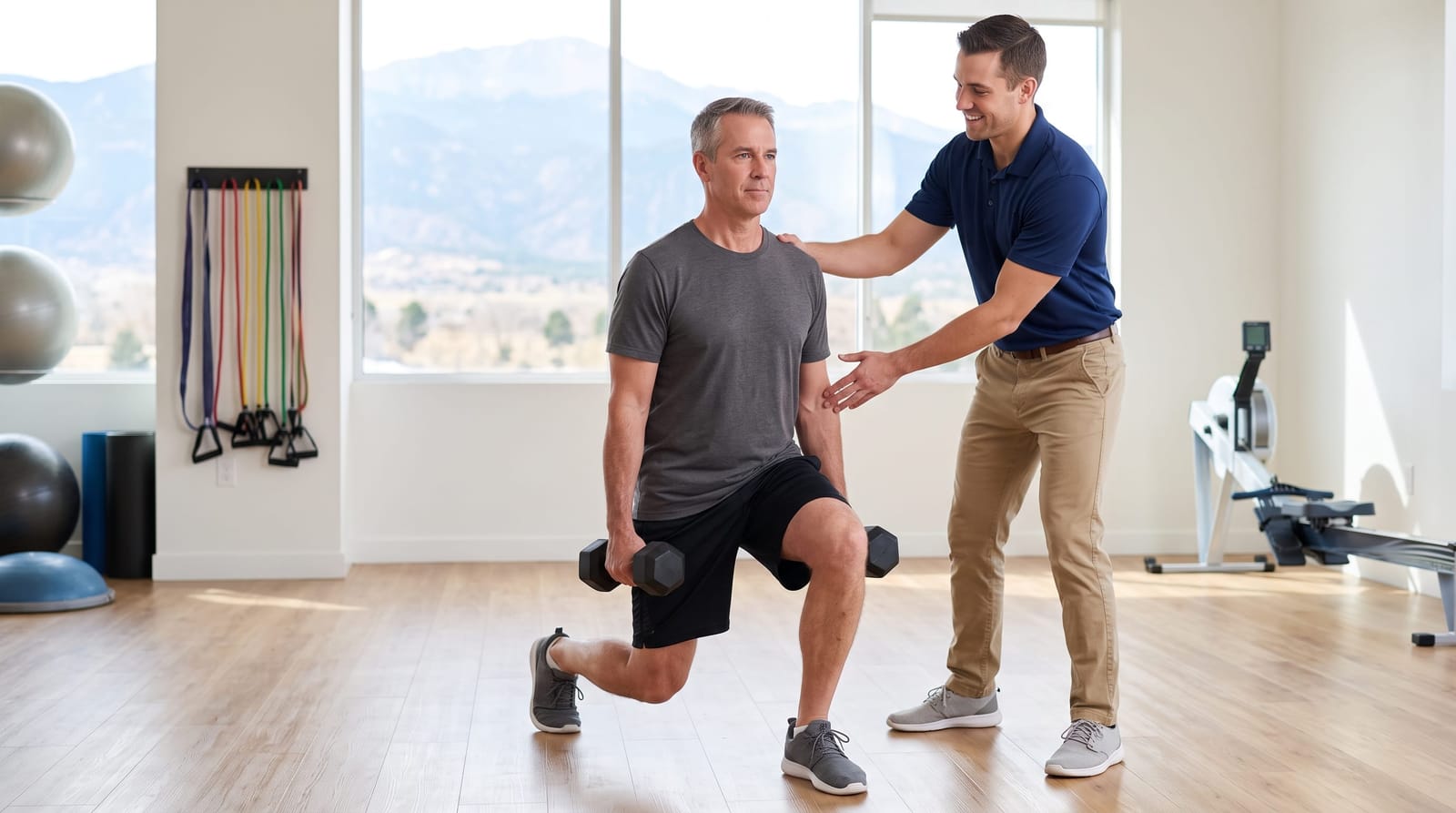
At a private studio, corporate wellness programs can be structured around individual assessments and personalized training plans. A trainer who works with five employees from the same company can tailor each session to that person's specific movement quality, fitness baseline, and goals, while still delivering the company's wellness program objectives. This kind of individualized approach supports long-term progress across the full spectrum of an organization's workforce, not just the employees who were already reasonably fit.
Connecting Wellness to Workplace Function
Personalization also allows studio-based programs to address workplace-specific physical demands. Employees who sit at desks for eight hours a day have predictable mobility and posture patterns that a skilled trainer can address directly. This connection between individual wellness work and functional workplace performance is a core reason why movement analysis workplace injury prevention Colorado is becoming an increasingly valued component of corporate wellness strategy, and it's the kind of work that requires a professional environment and a qualified coach, not a generic on-site fitness class.
Measuring What Matters: ROI Across Both Models
Business owners and HR professionals rightly want to understand what return corporate wellness investment actually generates. Participation rates, healthcare cost trends, absenteeism, and employee satisfaction scores are all relevant metrics, and the model you choose influences each of them.
On-site programs sometimes show strong initial participation numbers driven by novelty and convenience, but those numbers often decline as the newness wears off. The program becomes background infrastructure that employees stop engaging with meaningfully.
Studio Programs Build Measurable Engagement Over Time
Private studio programs tied to scheduled appointments tend to generate more consistent participation data over time, because the accountability and relationship elements sustain engagement beyond the initial period. Companies that track participation, absenteeism, and self-reported energy and focus often find that the deeper engagement of a studio-based model produces clearer, more attributable trends in those metrics.
Understanding the full financial picture of corporate wellness investment is worth examining carefully. The broader corporate wellness ROI business Colorado Springs conversation covers how organizations can evaluate productivity, retention, and engagement outcomes as part of a comprehensive wellness investment analysis.
Which Model Is Right for Your Colorado Springs Organization?
The honest answer is that it depends on your company's size, goals, culture, and workforce, but the comparison is less evenly balanced than it might first appear.
On-site programs can play a supporting role in large corporate wellness strategies, particularly when combined with stronger off-site components. But as a standalone model for small to mid-sized businesses in Colorado Springs, on-site wellness rarely delivers the depth of coaching, personalization, or environmental quality that produces the outcomes most organizations are actually looking for.
When to Consider a Private Studio Partnership
- Your company has key employees or executives whose health and performance are strategically important
- You want wellness sessions to be genuinely protected time, separate from workplace distractions
- Your team includes employees with varying fitness levels, movement backgrounds, or physical demands
- You want a wellness benefit that reads as a genuine investment in people, not a cost-cutting checkbox
- You're looking for a trusted local partner who can grow and adapt the program as your organization evolves
Questions Worth Asking Before Deciding
- Do we have the physical space and ongoing budget to maintain an on-site facility at the quality level our employees will actually use?
- Who will provide the coaching expertise and accountability that drives consistent participation?
- Are we trying to serve all employees generally, or invest more deeply in key team members?
- What does our wellness benefit communicate about how we value our people?
Conclusion
The corporate wellness training studio vs on-site Colorado Springs decision ultimately comes down to what your organization actually wants wellness to accomplish. If the goal is a visible benefit that checks a box, an on-site setup might seem sufficient. But if the goal is meaningful, sustained improvement in employee health, performance, and engagement, backed by professional coaching in a purpose-built environment, a private studio partnership delivers at a different level. Total Body Works works with Colorado Springs businesses and their teams to build corporate wellness programs that fit real organizational goals, real schedules, and real people. Reach out to learn how a private studio-based program could work for your company.