Corporate Wellness Programs in Colorado Springs: How Private Personal Training and Therapies Transform Workplace Health
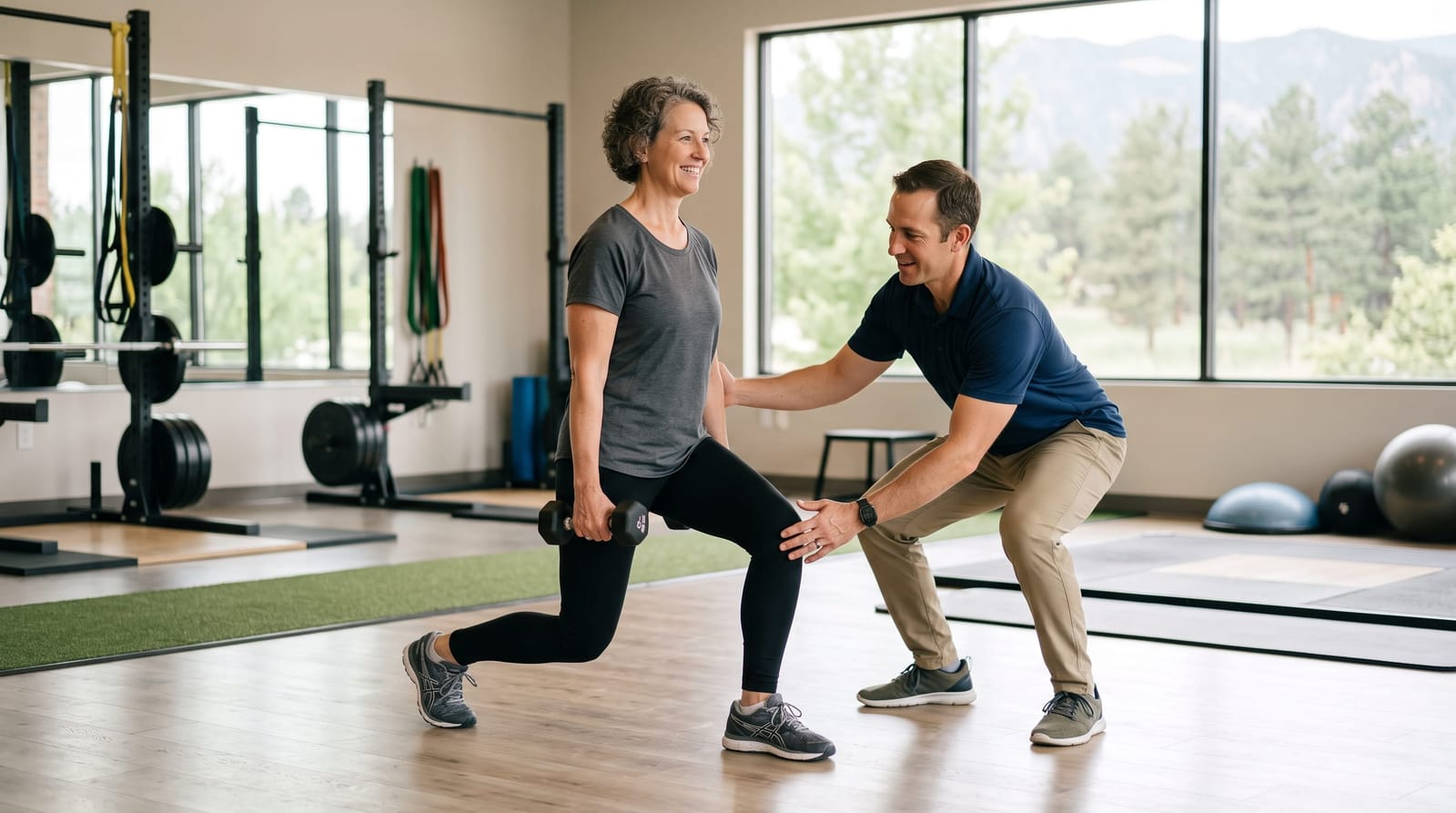
What does it actually cost a business when employees are burned out, physically worn down, or struggling with chronic stress? The answer shows up in more places than most executives expect, in missed deadlines, rising healthcare premiums, quiet disengagement, and the slow attrition of talented people who simply feel undervalued. These aren't abstract concerns. They're daily realities for many Colorado Springs employers, from small family-owned businesses in Monument and Falcon to established companies with teams spread across the broader region.
Corporate wellness programs have emerged as one of the most practical, measurable responses to these challenges. But not all programs are created equal. Generic gym reimbursements and one-size-fits-all wellness apps rarely move the needle in any meaningful way. What does make a difference is personalized, professionally guided support: the kind that meets employees and executives where they are, addresses their actual physical needs, and fits the realities of a working professional's schedule.
This guide covers everything business owners, HR professionals, and executives in the Colorado Springs area need to know about building an effective corporate wellness program. You'll learn what services produce genuine results, how to think about return on investment, what makes private studio-based programs different from on-site alternatives, and how a well-designed program can serve both individual leaders and entire teams. Whether you're exploring this for the first time or looking to upgrade what you already have, this resource is built to help you make informed, confident decisions.
Why Corporate Wellness Is a Business Decision, Not Just a Benefit
For a long time, employee wellness programs lived in the category of "nice to have": perks that reflected a company's culture without necessarily driving business outcomes. That perception has shifted considerably. Research consistently shows that structured employee health programs are associated with reduced absenteeism, lower turnover rates, improved engagement, and measurable reductions in healthcare-related costs over time. For HR managers and executives thinking in terms of ROI, these are exactly the metrics that matter.
Consider the compounding nature of poor physical health in a workplace setting. An employee dealing with chronic back discomfort, for example, isn't just managing pain: they're likely less focused, more fatigued, and more prone to errors. Multiply that across a team, and the productivity drain becomes significant. Add in the cost of replacing an employee who leaves partly because they felt physically unsupported, and the numbers grow quickly. Industry estimates suggest that replacing a single employee can cost anywhere from 50% to over 200% of that person's annual salary, depending on the role and level of expertise involved.
Well-designed wellness programs address these costs upstream, by investing in the physical and functional health of people before problems escalate. This is not about curing illness or guaranteeing specific outcomes. It's about creating conditions where people feel stronger, more capable, and more resilient in their day-to-day work. That shift in capacity shows up in productivity, morale, and retention in ways that generic benefits packages rarely achieve.
For Colorado Springs businesses specifically, there's an added dimension. The local professional culture tends to value active, outdoor-oriented lifestyles, and employees in this market are often drawn to employers who take health seriously as part of their organizational identity. A thoughtfully structured corporate wellness program can become a genuine recruitment and retention asset: a signal that leadership invests in the whole person, not just their output.
If you want to dig deeper into the financial case for employee health programs, our post on corporate wellness ROI business Colorado Springs walks through the specific ways wellness investment translates into measurable business returns.
What Separates Effective Corporate Wellness Programs from Underused Perks
Most people have encountered a corporate wellness program that didn't work. A free gym membership that went unused. A health app downloaded once and forgotten. A lunch-and-learn seminar that was well-intentioned but immediately disconnected from how people actually live and work. The failure of these programs is rarely about employee motivation: it's about design.
Effective corporate wellness programs share several defining characteristics that separate them from the well-meaning-but-ineffective alternatives.
Personalization Over One-Size-Fits-All
People have different bodies, different fitness backgrounds, different physical demands from their jobs, and different goals. A software engineer sitting at a desk for eight hours a day has different needs than a field technician doing physical labor. A 55-year-old executive managing a high-stress portfolio has different priorities than a 30-year-old sales associate. Programs that treat everyone identically tend to resonate with almost no one. Effective programs, especially those built around private personal training, assess each individual and build from that foundation.
Accessibility and Scheduling Flexibility
Consistency is the backbone of any wellness initiative. If the program is difficult to access, inconvenient to schedule, or only available during hours that conflict with work obligations, participation will decline. Flexible scheduling, whether early morning, midday, or after standard business hours, removes one of the most common barriers to consistent engagement.
Professional Guidance and Accountability
People are more likely to show up, push through challenges, and maintain healthy habits when they have a qualified professional guiding and supporting them. Personal trainers and wellness practitioners who know their clients by name, understand their history, and track their progress create an accountability structure that self-directed wellness simply can't replicate.
Variety of Services That Address Real Needs
Movement, recovery, stress management, and functional health are interconnected. Programs that address only one dimension, say, exercise, miss the broader picture. The most effective corporate wellness programs integrate multiple modalities to support employees comprehensively, which leads naturally to the types of services that produce results.
The Services That Produce Measurable Results for Colorado Springs Employees and Executives
Not every wellness service belongs in a corporate program. The ones that do belong share a common quality: they address real functional needs, produce observable improvements in how people feel and perform, and can be delivered consistently over time. Here's a look at the services that tend to have the greatest impact in a corporate wellness context.
Private Personal Training
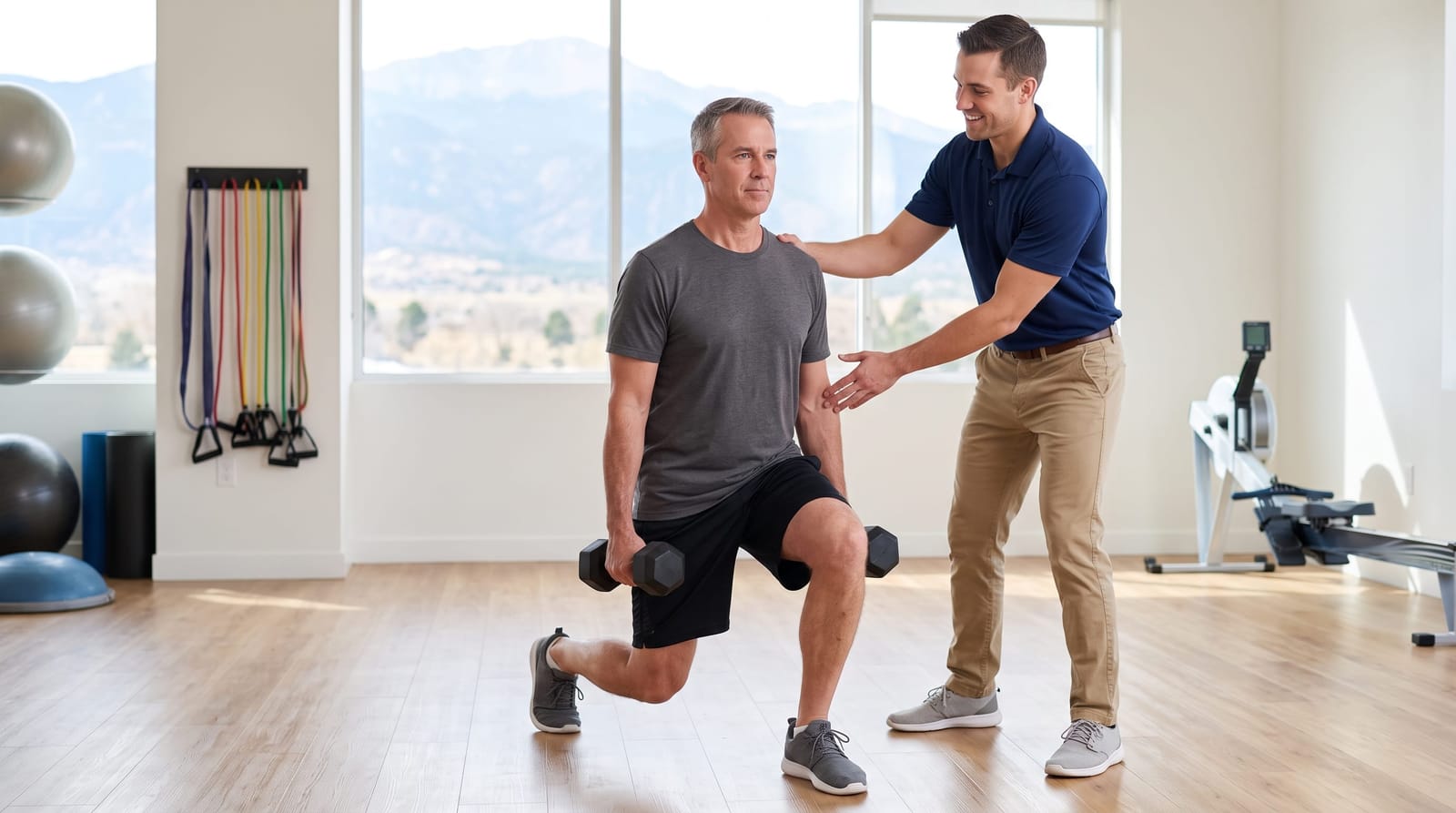
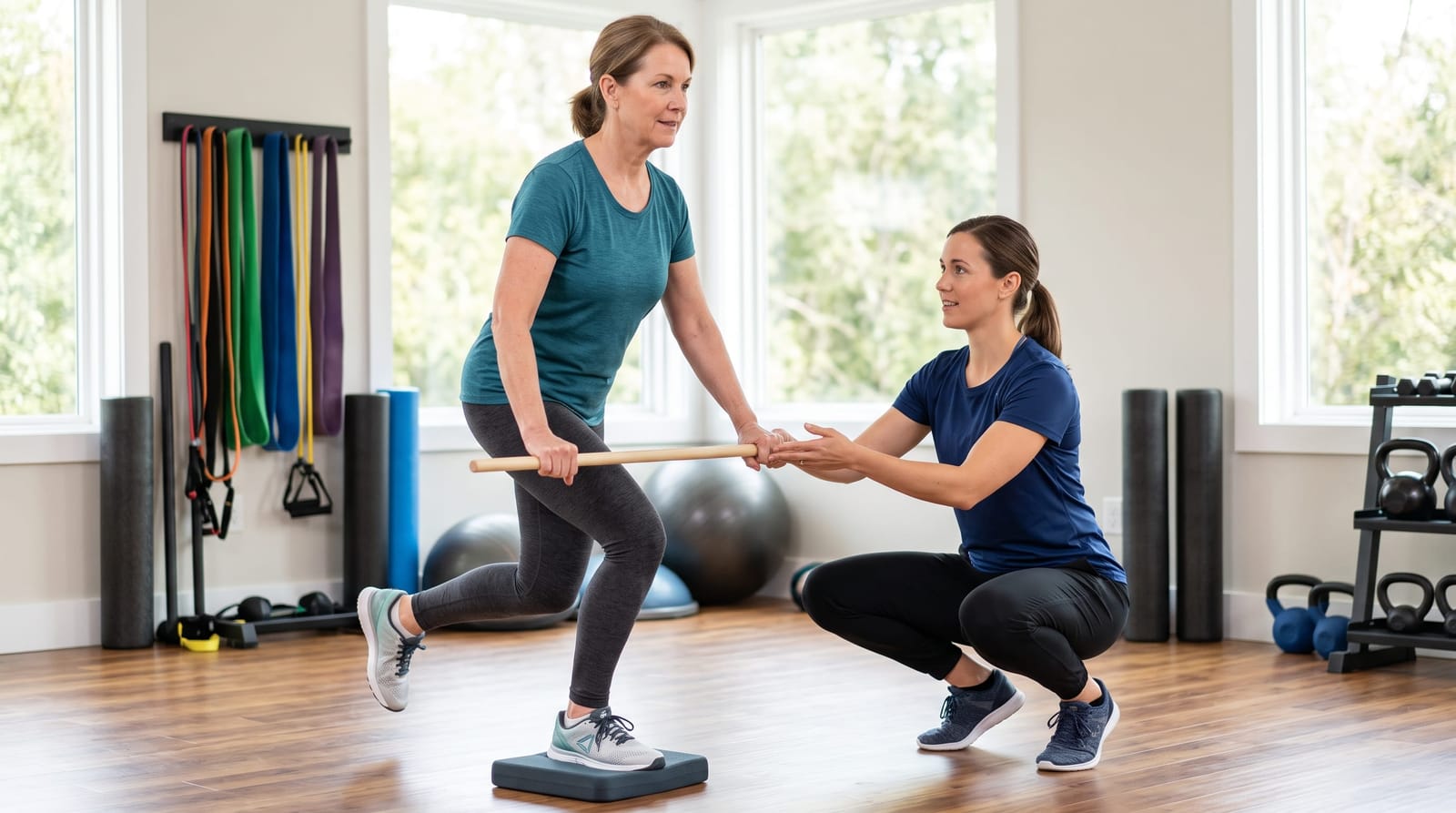
One-on-one personal training is the cornerstone of an effective corporate wellness program. Unlike group fitness classes or gym memberships, private training is structured around each individual's current fitness level, physical limitations, goals, and schedule. A qualified trainer builds progressive programs that develop strength, improve cardiovascular endurance, enhance flexibility, and support functional movement: the kind that directly translates to better energy, posture, and resilience throughout the workday.
For executives and high-level professionals, private training also provides a reliable, contained space to decompress, focus on physical health, and step away from the relentless cognitive demands of leadership. Many clients describe their training sessions as one of the most productive investments in their week, not just physically, but mentally.
Movement Analysis
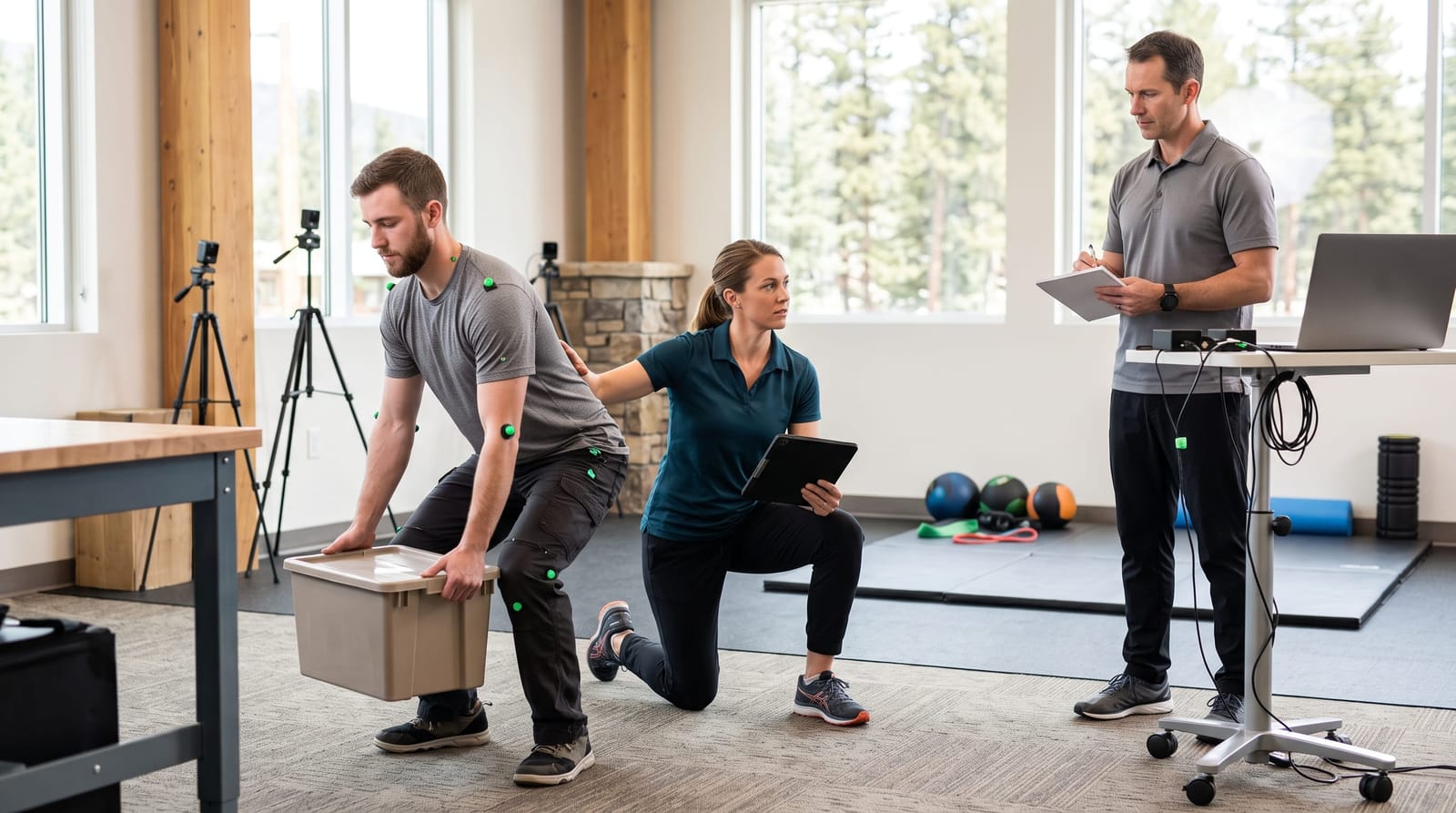
Movement analysis is a systematic assessment of how an individual moves: identifying imbalances, compensations, and patterns that may predispose them to discomfort or inefficiency. In a workplace context, this is particularly valuable because many common physical complaints stem from repetitive movement patterns or prolonged static postures rather than acute injury. By identifying and addressing these patterns early, movement analysis supports better function and helps employees move more comfortably and confidently, whether at a desk or in physically demanding roles.
Hyperbaric Oxygen Therapy (HBOT)
Hyperbaric oxygen therapy involves breathing concentrated oxygen in a pressurized environment, a modality used increasingly by professionals seeking enhanced recovery and mental clarity. While HBOT is not a treatment for any specific condition and individuals should always consult a qualified healthcare provider before beginning any new therapeutic modality, many professionals incorporate it into their wellness routines as a recovery and restorative tool. For executives managing high cognitive loads and limited downtime, HBOT sessions can fit naturally into a broader wellness program.
Massage Therapy and Manual Recovery
Chronic muscular tension, particularly in the neck, shoulders, and lower back, is among the most common physical complaints in professional environments. Therapeutic massage supports recovery from both physical exertion and the accumulated tension that comes from sustained desk work and high-stress roles. Integrated into a corporate wellness program, regular massage sessions help employees maintain physical comfort and reduce the physical manifestations of workplace stress.
Flexibility, Mobility, and Recovery Work
Strength training matters, but so does the capacity to move well through a full range of motion. Structured flexibility and mobility programming helps employees maintain joint health, reduce stiffness, and move more fluidly: particularly important for those who spend significant time in fixed postures or who are returning to regular physical activity after a period of inactivity.
Executive Wellness: Why Leadership Health Deserves Its Own Focus
There's a compelling argument for treating executive wellness as a distinct category within a broader corporate wellness strategy. Leaders carry disproportionate organizational weight. Their decisions affect the entire business. Their energy, clarity, and resilience set the tone for the teams they lead. And yet, executives are often the least likely to prioritize their own health: partly because of time demands, partly because the cultural expectation around leadership still skews toward performing invulnerability rather than investing in sustainability.
Private wellness programs designed specifically for high-performing professionals address this gap. They're built around the actual life of an executive: unpredictable schedules, travel, high cognitive demand, and the kind of stress that doesn't simply switch off at the end of the business day. Rather than asking leaders to conform to a standard wellness template, effective executive programs adapt to the individual: identifying what support will be most meaningful and designing a consistent structure around it.
This might mean early morning training sessions before the workday begins, periodic HBOT sessions scheduled between meetings, or a combination of strength training and recovery modalities tailored to where the leader's body is right now, not where it was a decade ago. The goal isn't perfection or performance optimization in a narrow athletic sense. It's sustainable function: the ability to show up consistently, think clearly, manage stress effectively, and model the kind of health-conscious leadership that positively influences organizational culture.
There's also a practical equity argument here for organizations. If executive health is going to be part of the benefits conversation, investing in genuinely personalized support signals a level of seriousness that resonates across the organization. Employees notice when leadership walks the talk on wellness, and it influences whether they take the program seriously themselves.
Our dedicated post on executive wellness program Colorado Springs goes deeper into what comprehensive, private health support looks like for high-performers and why it's one of the highest-leverage investments a business can make in its leadership team.
Designing Corporate Wellness Programs That Employees Genuinely Engage With
Participation rates are the quiet failure point of most corporate wellness initiatives. A program that exists on paper but sees 15% employee engagement isn't producing meaningful returns. The design choices that determine engagement start well before a single session is booked.
Start with Listening, Not Assumptions
Before selecting services or structuring a program, it's worth asking employees what they actually want and need. Surveys, informal conversations, or small group discussions can reveal the specific physical challenges, scheduling constraints, and wellness goals that exist within your workforce. Programs built on real feedback are dramatically more likely to see sustained participation than those imposed from the top down.
Remove Friction at Every Step
Every unnecessary step between an employee and their wellness session is a drop-off point. Complicated enrollment processes, inconvenient locations, rigid scheduling windows, or unclear communication about what the program includes can all suppress participation before it begins. A private training studio that offers flexible scheduling, simple communication, and a welcoming environment reduces this friction substantially.
Create Consistency Through Structure
Wellness benefits that are sporadic or optional tend to fade quickly. Programs that build in recurring, scheduled sessions, even if participation is encouraged rather than mandated, create the rhythm that turns occasional participation into lasting habit. Employees who experience the tangible benefits of consistent physical training, recovery support, and professional guidance tend to protect that time in their schedules rather than let it slip.
Make Leadership Participation Visible
Nothing signals organizational commitment to wellness more clearly than leaders who participate visibly and genuinely. When executives treat their own wellness sessions as non-negotiable, they communicate to the broader organization that health is a real priority, not simply a line item in the benefits package.
For a comprehensive framework on structuring a program your workforce will actually use, see our detailed guide on designing corporate wellness program Colorado Springs.
On-Site Workplace Programs vs. Private Studio Training: Finding the Right Fit
One of the most common questions Colorado Springs businesses ask when exploring corporate wellness is whether to bring services into the workplace or send employees to a professional facility. Both models have genuine merit, and the right answer depends on your organization's size, physical workspace, goals, and budget.
The Case for On-Site Wellness
On-site programs eliminate the commute variable entirely. When a trainer or wellness practitioner comes to the workplace, there's no travel time for employees, and sessions can often be incorporated into the workday without significant disruption. This model can work well for larger organizations with physical space to accommodate training, or for companies that want to offer brief, accessible movement breaks as part of a broader wellness culture.
The Case for Private Studio Programs
Private studio environments offer something on-site programs often can't: a complete physical separation from the workplace. For many professionals, especially executives, this separation is itself a form of recovery. Leaving the office environment, even briefly, creates a mental and physical context shift that supports deeper focus on health and movement. Studio-based programs also offer access to specialized equipment, therapeutic modalities like HBOT, and the full range of professional services in one location.
Private studios built around corporate wellness clients also tend to offer a higher degree of confidentiality and discretion, which matters to many executives and senior leaders who prefer to keep their health routines private.
Hybrid Approaches
Many organizations find that a hybrid model, combining periodic on-site programming with individual or small-group sessions at a private studio, provides the broadest coverage and the deepest individual results. The on-site component builds general culture and visibility, while the studio component provides the personalized depth that produces lasting change.
For a detailed comparison of these approaches and how to evaluate which fits your organization, our post on corporate wellness training studio vs on-site Colorado Springs breaks down the key considerations side by side.
Movement Analysis and the Workplace: A Proactive Approach to Physical Health
Workers' compensation claims, repetitive strain complaints, and musculoskeletal discomfort are among the most costly and disruptive physical health issues that employers face. Many of these issues don't emerge from single acute events: they develop over months or years as the result of movement patterns, postural habits, and physical demands that quietly accumulate.
Movement analysis offers employers a proactive tool for identifying these patterns before they result in more serious problems. By systematically assessing how employees move, in their work tasks, during exercise, and in daily functional activities, trained professionals can identify compensations and asymmetries that, if left unaddressed, may eventually lead to discomfort or reduced function.
This is particularly valuable in roles that involve repetitive tasks, prolonged sitting, heavy lifting, or sustained postures. Employees in customer service, logistics, administrative work, and technical fields all face distinct movement-related challenges. A movement analysis integrated into a corporate wellness program can provide personalized corrective guidance that helps employees move more efficiently and comfortably.
From a business perspective, proactive movement support is one of the more defensible investments in the corporate wellness conversation. The cost of prevention is almost always lower than the cost of accommodation, reduced productivity, or claims management after the fact. Consultants and professionals interested in the injury prevention dimension of this work can explore it further in our article on movement analysis workplace injury prevention Colorado.
How Total Body Works Designs Corporate Wellness Programs for Colorado Springs Employers
Total Body Works serves business owners, HR managers, and executives across Colorado Springs, Monument, Falcon, and the surrounding communities with private, professionally structured wellness programs designed around the real demands of working professionals. The approach is built on a simple premise: effective wellness requires personalization, professional expertise, and the kind of environment where clients feel genuinely supported rather than processed.
Private, Distraction-Free Training Environment
Unlike commercial gyms, Total Body Works operates as a private training studio. Clients work with their trainer in a focused, distraction-free environment: no waiting for equipment, no crowded floors, no self-consciousness. For executives and employees who value discretion and efficiency, this environment makes it significantly easier to show up consistently and make the most of every session.
Individualized Assessment and Program Design
Every corporate client, whether an executive engaging with an individual program or an employee team participating in a group initiative, begins with a thorough assessment. Movement history, current fitness level, physical demands of the job, health goals, and scheduling realities are all factored into the design of a program that's realistic and sustainable, not aspirational and abandoned.
Integrated Service Offerings
Total Body Works integrates multiple wellness modalities, private personal training, movement analysis, hyperbaric oxygen therapy, and massage therapy, under one roof. This makes it practical for clients to access a range of support without managing multiple providers or juggling different schedules. For HR managers building a structured program for their teams, this consolidated model simplifies coordination and ensures consistency.
Flexible Corporate Program Structures
Corporate wellness programs at Total Body Works can be structured to support individual executives, small leadership teams, or broader employee populations. Whether a business is looking to offer a wellness benefit to a handful of key employees or develop a company-wide initiative, program structures can be tailored to fit organizational size, budget, and goals. Both individual memberships and group arrangements are available, and scheduling flexibility is built in to accommodate the realities of a professional workday.
Serving the Colorado Springs Region
Total Body Works is conveniently located for professionals throughout the Colorado Springs metro area, including those based in Monument and Falcon. The studio's private, accessible setting makes it a practical choice for employers whose teams are distributed across the northern Colorado Springs corridor.
Deep Dive: Explore the Full Corporate Wellness Picture
This pillar page provides a comprehensive overview of corporate wellness programs in the Colorado Springs area, but each of the topics introduced here deserves its own in-depth exploration. The following posts go deeper on specific aspects of employer-sponsored wellness, giving you the detail you need to make confident decisions for your organization.
- Executive Wellness Programs: High-performing leaders face unique physical and mental demands that require a distinct approach to health support. Learn what a genuinely personalized executive wellness program looks like and why it matters for organizational effectiveness in our post on executive wellness program Colorado Springs.
- Movement Analysis and Workplace Injury Prevention: Many physical complaints in the workplace develop slowly from movement patterns that go unaddressed. Explore how systematic movement assessment helps employers take a proactive stance on employee physical health in our article on movement analysis workplace injury prevention Colorado.
- Studio vs. On-Site Wellness: Choosing the right delivery model for your corporate wellness program is one of the most consequential early decisions. We compare private studio training and on-site workplace programs in detail in our post on corporate wellness training studio vs on-site Colorado Springs.
- Designing a Program Employees Actually Use: Participation rates determine whether a wellness program produces results or simply looks good in a benefits brochure. Get a practical framework for building engagement from the ground up in our guide on designing corporate wellness program Colorado Springs.
- The Business Case for Corporate Wellness: For stakeholders who need numbers, not just philosophy, our post on corporate wellness ROI business Colorado Springs walks through the specific ways employee health programs return value to the bottom line, from reduced absenteeism to improved retention and productivity.
Taking the Next Step Toward a Healthier, More Productive Workforce
Corporate wellness isn't a trend or a checkbox: it's a genuine business strategy with measurable implications for productivity, culture, and the long-term health of your organization. The most effective programs are those built on personalization, professional guidance, and a real understanding of what employees and executives actually need, not generic solutions designed to satisfy a benefits requirement.
For Colorado Springs businesses in Monument, Falcon, and across the region, Total Body Works offers a private, professionally guided approach to corporate wellness that serves both individual leaders and broader employee teams. Whether you're an HR manager exploring structured wellness benefits for the first time, an executive ready to invest more seriously in your own health, or a business owner looking to build a culture where wellness is a genuine organizational value, the right support makes all the difference.
The path to a healthier, more engaged workforce starts with a conversation. Reach out to Total Body Works to discuss how a customized corporate wellness program can be designed around your team's specific needs, schedule, and goals. Your people are your most valuable asset, and investing in their health is one of the most thoughtful, strategic decisions you can make as a leader.