How to Design a Corporate Wellness Program That Employees Actually Use
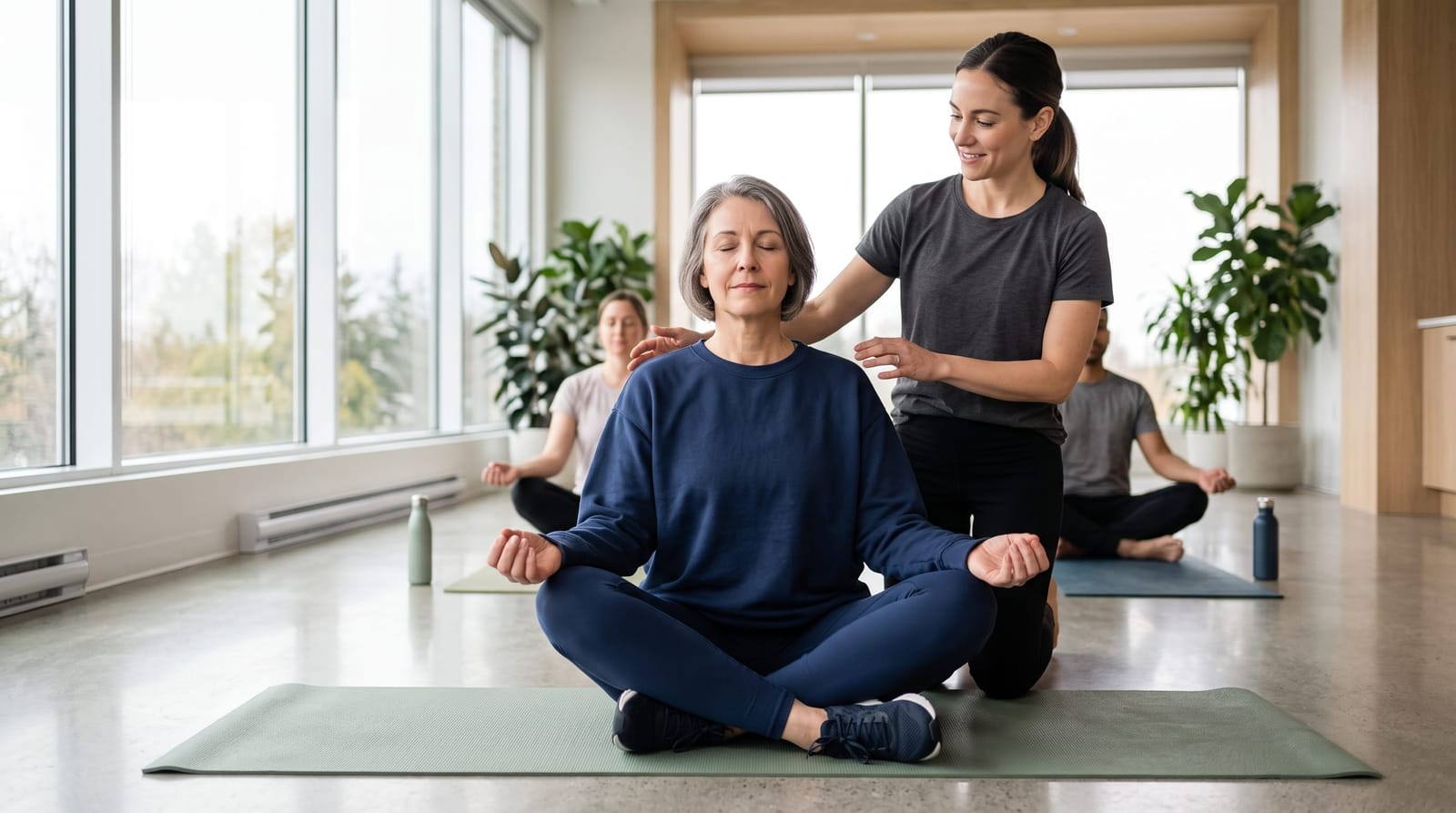
Building a corporate wellness program is one thing. Building one that employees genuinely look forward to using: that's an entirely different challenge. As part of a broader conversation about corporate wellness ROI business Colorado Springs, this guide zeroes in on the design process itself: the decisions, structures, and strategies that determine whether your wellness initiative becomes a valued workplace benefit or a forgotten bulletin board flyer. Whether you're an HR manager at a growing Colorado Springs company or a business owner in Monument thinking about launching your first structured wellness initiative, these steps will help you build something your team will actually show up for.
Step 1: Start With a Needs Assessment Before You Select Any Services
The most common mistake companies make when launching a wellness program is starting with the solution before understanding the problem. They book a yoga class or set up a gym membership discount because it seems like the right thing to do, without ever asking their employees what they actually need.
A needs assessment doesn't have to be complex, but it does need to be honest. Start by gathering input through anonymous surveys that ask employees about their biggest daily challenges: Do they struggle with energy levels by mid-afternoon? Do they experience tension from long hours at a desk? Are stress and mental fatigue affecting their focus? Are there physical challenges, like back discomfort or limited mobility, that make certain job tasks harder?
What to Look For in Your Data
- Patterns in absenteeism and sick days (which months, which departments)
- Self-reported physical and mental energy levels across the workday
- Interest levels across different types of wellness support (movement, recovery, stress management)
- Scheduling preferences, before work, during lunch, after hours
- Barriers to participation, such as time, cost, or access
This data shapes everything downstream. It tells you where to invest, which services to prioritize, and how to schedule offerings in a way that fits real people's real lives. Skipping this step is one of the main reasons wellness programs see low participation even when the services themselves are excellent.
Step 2: Define Clear, Realistic Goals for Your Program
Once you understand your employees' needs, the next step is deciding what success looks like for your organization. Corporate wellness goals typically fall into two categories: employee-centered goals and business-centered goals, and the best programs serve both.
Employee-Centered Goals
These might include improving overall energy and daily stamina, supporting mobility and reducing physical discomfort related to sedentary or physically demanding work, and creating a culture where employees feel supported in their whole-person wellbeing.
Business-Centered Goals
These often focus on measurable outcomes like reduced absenteeism, improved team morale and engagement, stronger retention numbers, and greater productivity. If you're not sure how to frame the business case for these goals, exploring the topic of corporate wellness ROI business Colorado Springs can help you build the internal justification for budget allocation.
Set two or three specific, measurable goals before you commit to any vendors or services. For example: "We want to reduce sick day usage by 15% over 12 months" or "We want 60% of employees to participate in at least one wellness activity per month." Goals like these give your program structure and give you a baseline to measure improvement against.
Step 3: Select Services That Match Your Workforce: Not Just Your Budget
Service selection is where the design gets exciting, but it also requires discipline. Not every wellness offering is right for every team, and the goal is fit, not flash.
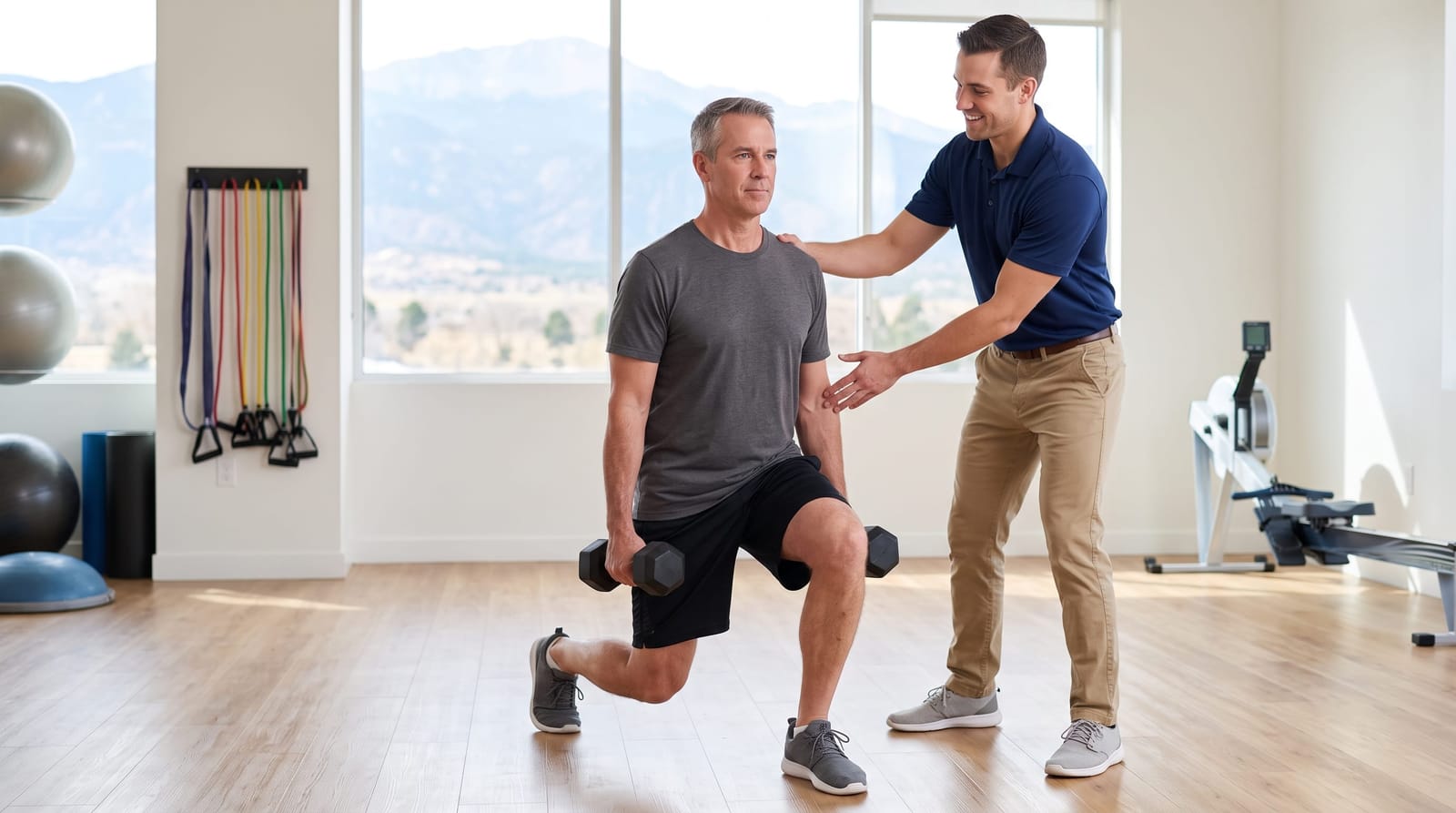
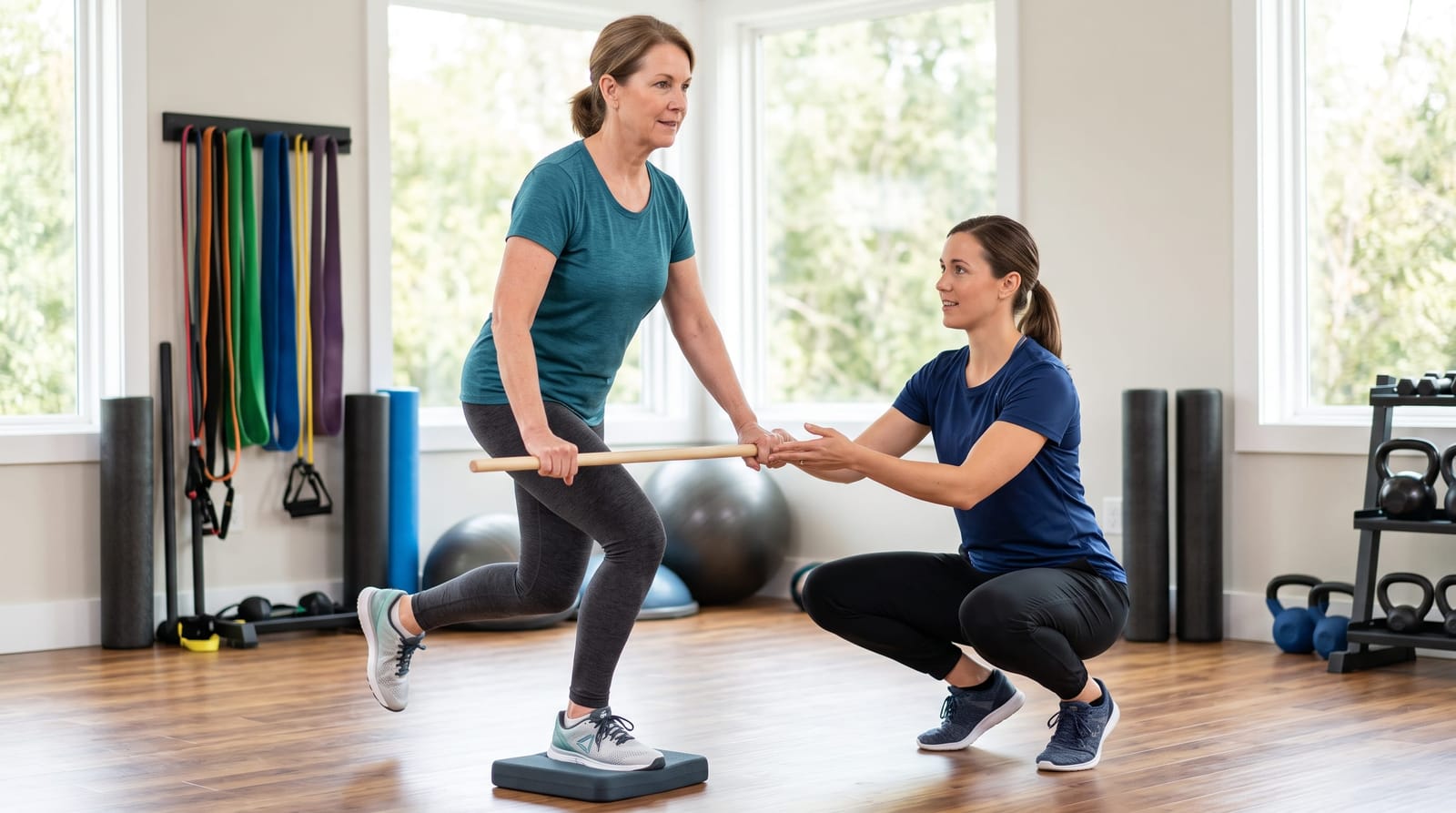
For companies in Colorado Springs and Monument, private personal training is one of the most versatile and high-value options available. Unlike group fitness classes that follow a fixed curriculum, private or semi-private training sessions can be tailored to individual fitness levels, physical histories, and goals. This is especially valuable for workplaces with diverse employee populations, from desk-based workers with limited movement experience to physically active staff who want performance support.
Complementary Therapies Worth Considering
Beyond structured exercise, many organizations are discovering the value of recovery-focused services as part of a well-rounded program. Services like massage therapy, which supports muscle recovery and stress reduction, or specialized therapies like hyperbaric oxygen therapy (HBOT), can add meaningful depth to a wellness package. If you're evaluating expanded options, HBOT massage therapy corporate wellness Colorado Springs provides a useful breakdown of how these modalities fit within a structured program.
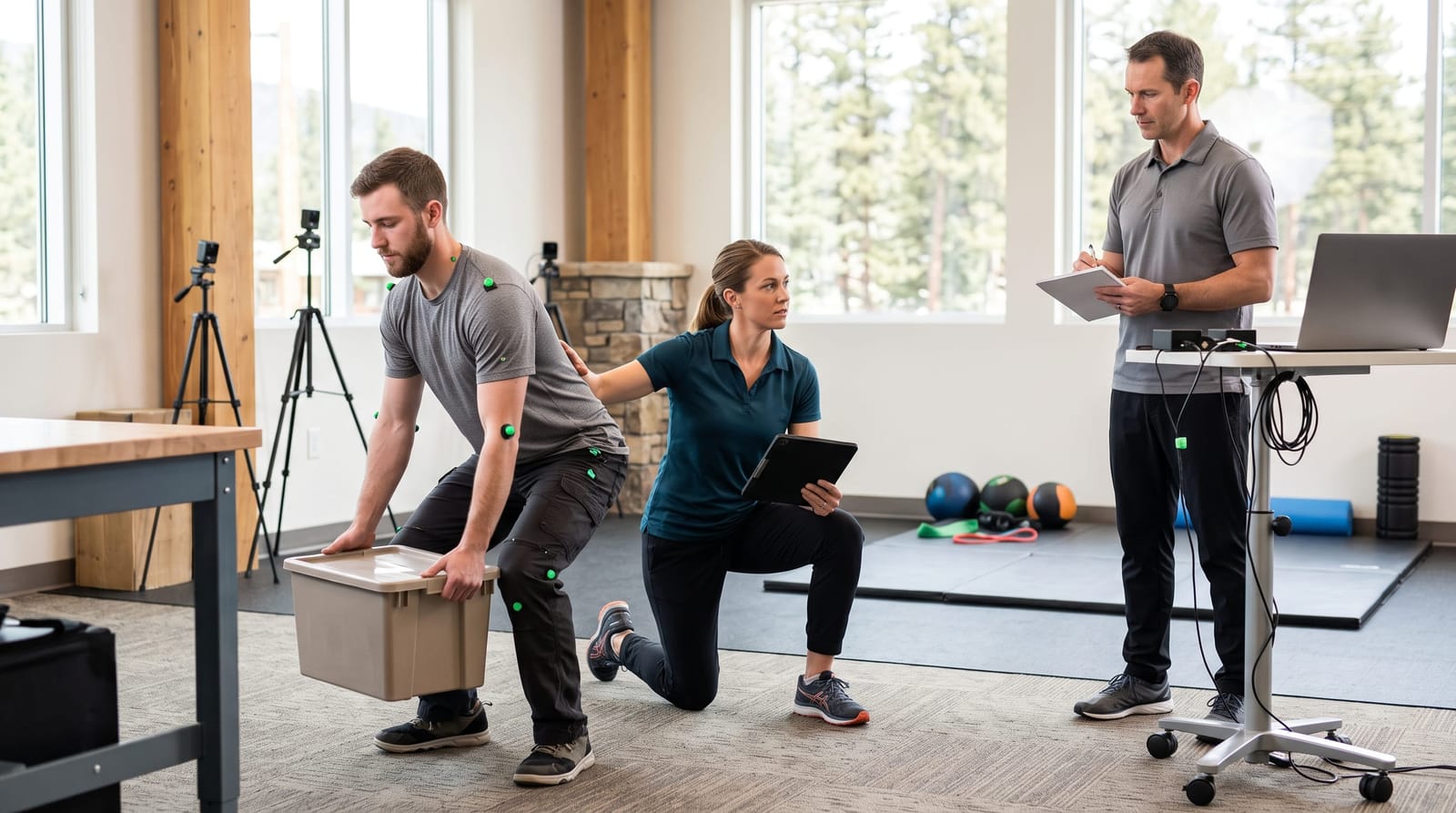
Also consider services that address workplace-specific challenges. For teams that spend significant time sitting or doing repetitive physical tasks, movement analysis workplace injury prevention Colorado can be a powerful tool: helping identify movement patterns that increase injury risk and giving employees practical corrections before problems develop.
When evaluating any service, ask: Is this accessible to employees of varying fitness levels? Can it be delivered consistently on a schedule that works for our team? Does it align with the needs we identified in our assessment?
Step 4: Build Scheduling and Access Into the Program Design
Even the best wellness services fail when access is inconvenient. Scheduling is not an afterthought: it's a core design decision that directly determines participation rates.
The most effective corporate wellness programs offer multiple touchpoints throughout the week, with time options that account for different employee schedules. Early morning sessions before the workday, midday sessions during lunch breaks, and after-work options all serve different employee segments. If you offer only one time slot, you've already excluded a portion of your team.
On-Site vs. Off-Site Delivery
On-site delivery, where a trainer or service provider comes directly to your workplace, removes one of the biggest participation barriers: travel time. For businesses with dedicated space, this can significantly increase utilization. Off-site programs at a private training facility, on the other hand, offer a change of environment that some employees find motivating. Many organizations find that a hybrid model works best: certain services delivered on-site, with an option for employees to visit a partner facility for more specialized sessions.
For smaller companies in Monument and surrounding areas who may feel that logistics or cost make this complicated, it's worth exploring what's actually achievable at your scale, small business corporate wellness Colorado Springs walks through realistic options for organizations that aren't enterprise-level but still want to invest meaningfully in their teams.
Step 5: Use Smart Incentives to Drive Consistent Engagement
Participation doesn't sustain itself on goodwill alone. Incentive structures, done thoughtfully, turn occasional users into consistent participants, and consistent participants are where wellness programs deliver their real value.
The key is making incentives feel meaningful without creating pressure or stigma. Avoid programs that reward only outcomes (like hitting a certain number of sessions or a weight-loss milestone), which can unintentionally exclude employees who face different circumstances. Instead, focus incentives on participation and engagement behaviors that are within everyone's control.
Incentive Structures That Work
- Participation tracking: Recognize employees who consistently use wellness services over a defined period, regardless of specific results
- Team-based goals: Encourage departments to hit collective participation milestones, which builds social accountability and camaraderie
- Flexible rewards: Offer options like additional PTO, wellness account credits, or recognition that don't feel one-size-fits-all
- Leadership modeling: When executives and managers visibly participate, it signals that wellness is genuinely valued, not just an HR checkbox. For senior leaders who want dedicated support, an executive wellness program Colorado Springs can provide the personalized structure that high-performing leaders benefit from most
Pair your incentive structure with regular communication: a monthly update on program offerings, participation highlights, and any new services available keeps wellness top of mind without being intrusive.
Step 6: Measure, Adjust, and Evolve the Program Over Time
A corporate wellness program is not a one-time launch: it's a living initiative that needs to be evaluated and adjusted regularly. Set a review cadence at the start: quarterly check-ins on participation data and a more comprehensive annual review that compares outcomes to your original goals.
What to Measure
- Participation rates by service type and department
- Employee satisfaction with offerings (short pulse surveys work well)
- Trends in absenteeism, turnover, and engagement scores over time
- Qualitative feedback: What are employees saying they want more of?
Be willing to drop services that aren't being used and add new ones that address emerging needs. A wellness program that felt right in year one may need to expand its recovery-focused offerings by year two as your team grows or the workforce composition changes. This flexibility is what separates programs that sustain themselves from programs that slowly fade into the background.
Working with an implementation partner who understands your local workforce, and can adapt services based on what the data shows, makes this ongoing process far more manageable than trying to evaluate and pivot on your own.
Related Topics Worth Exploring
If you're working through the details of designing your corporate wellness program, a few specific areas may be especially helpful as you build out your plan:
- Small business corporate wellness Colorado Springs: practical guidance for organizations navigating budget and logistics constraints
- HBOT massage therapy corporate wellness Colorado Springs: a closer look at how recovery-focused therapies can be integrated into a structured program
Conclusion: Design It for People First, and the Results Will Follow
A corporate wellness program that employees actually use isn't built around the trendiest services or the biggest budget: it's built around honest insight into what your team needs, a structure that removes barriers to participation, and a commitment to evaluating and improving over time. When you approach it that way, wellness becomes something your team wants to be part of, not something they opt out of quietly.
Total Body Works serves businesses in Colorado Springs and Monument with private personal training and specialized therapies designed to meet employees where they are: regardless of fitness background or experience level. If you're ready to explore what a customized corporate wellness program could look like for your organization, we'd love to have that conversation. Reach out to us directly to learn how we support local businesses in building wellness programs their teams genuinely value.