How Movement Analysis Reduces Workplace Injury and Workers' Comp Claims
When we talk about corporate wellness ROI business Colorado Springs, one of the most overlooked, and most impactful, strategies is movement analysis for workplace injury prevention. Colorado employers face real costs every time a worker is sidelined by a preventable injury. Before an injury ever occurs, there are usually physical warning signs hiding in the way an employee moves, lifts, bends, or stands. Movement screening identifies those warning signs early. This post explains what movement analysis involves, why it matters for Colorado businesses, and how organizations can structure a practical screening program for their teams. Whether your employees work physically demanding jobs or spend long hours at a desk, understanding how movement quality affects injury risk is a valuable first step toward a healthier, safer workforce.
What Is Movement Analysis and Why Does It Matter for Employers?
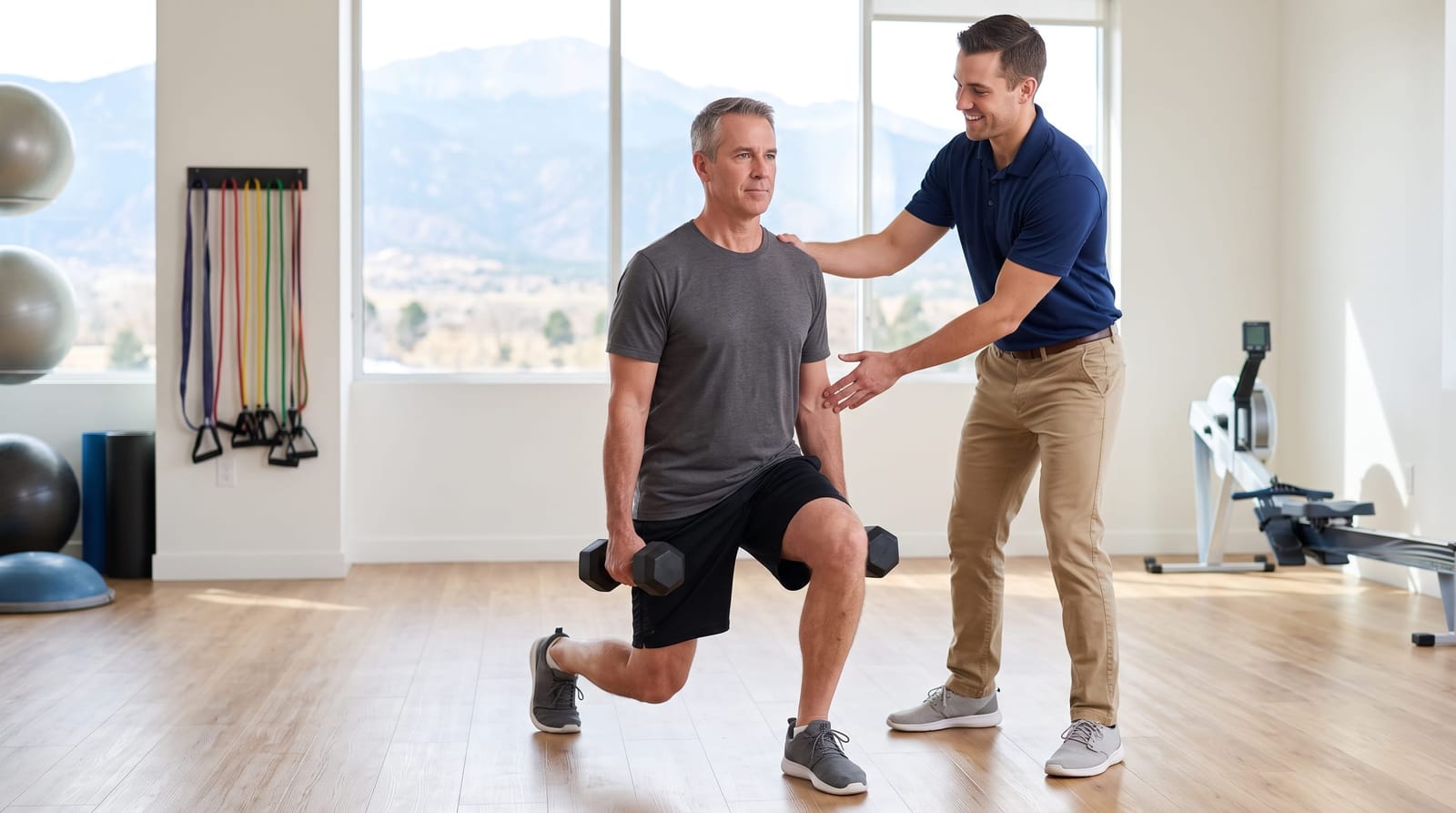
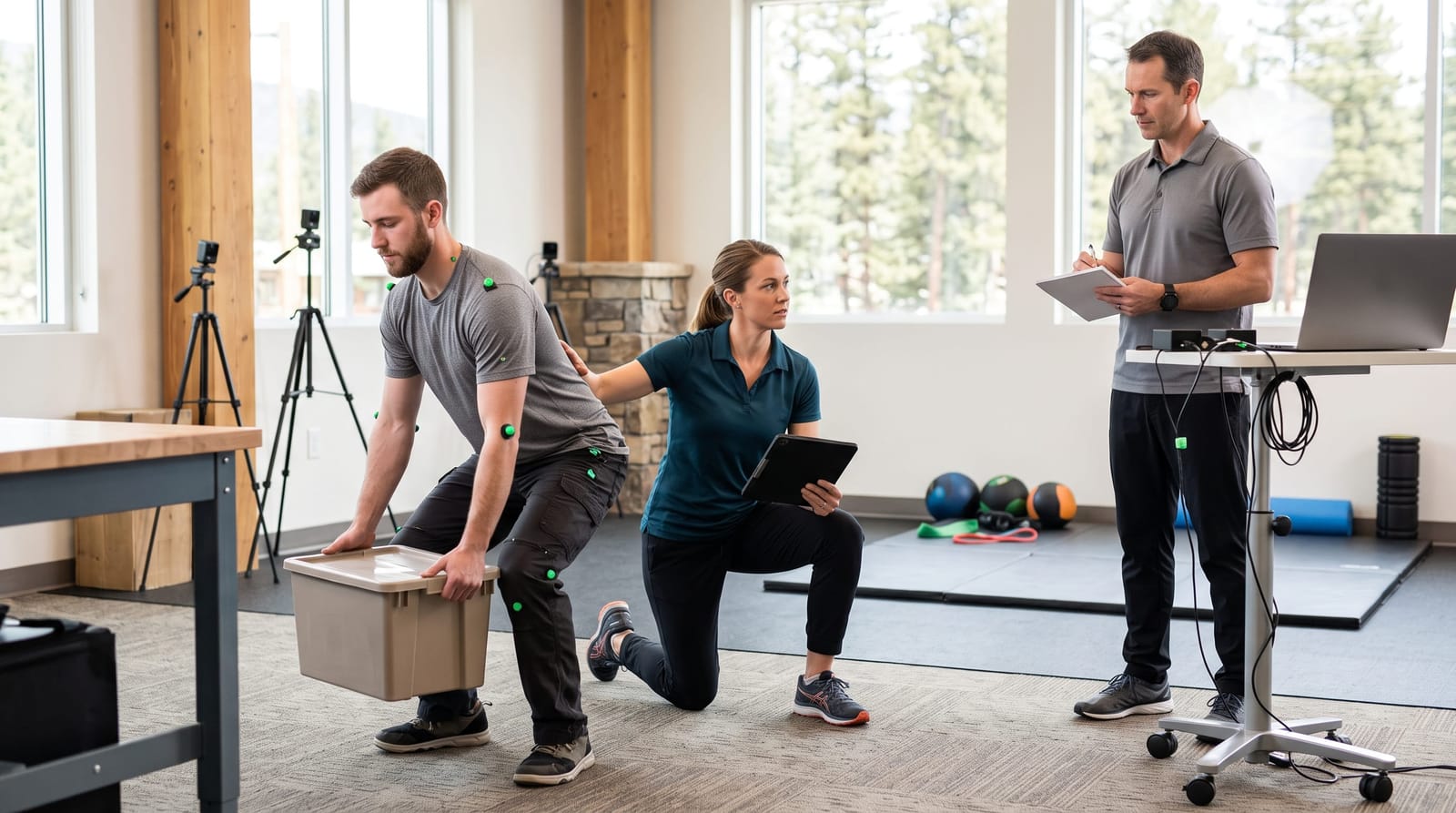
Movement analysis, sometimes called a movement screen or functional movement assessment, is a structured process that evaluates how a person moves through a set of fundamental patterns. These patterns include things like squatting, hinging at the hips, stepping, rotating, and reaching overhead.
The goal is not to judge fitness levels. It is to identify mobility restrictions, muscle imbalances, or compensation patterns that could place unnecessary stress on joints and soft tissue during everyday tasks. Think of it like a vehicle inspection before a long road trip. The car may look fine from the outside, but a trained mechanic can spot worn brakes or low fluid levels that would cause a breakdown down the road.
For employers, this matters because musculoskeletal disorders (MSDs) are among the most common and costly workplace injuries. According to the Bureau of Labor Statistics, MSDs account for roughly 30% of all worker injury and illness cases in the United States each year. These are injuries to muscles, tendons, ligaments, nerves, and joints: many of which develop gradually over time due to repetitive strain or poor movement mechanics.
Movement analysis workplace injury prevention in Colorado is especially relevant given the state's mix of industries, including construction, healthcare, hospitality, and outdoor recreation sectors, all of which involve physical demands that increase injury exposure. Catching vulnerabilities before they become claims is both a human and a financial priority.
What a Movement Screen Typically Evaluates
- Hip mobility and stability during loaded or dynamic movement
- Shoulder and thoracic spine range of motion
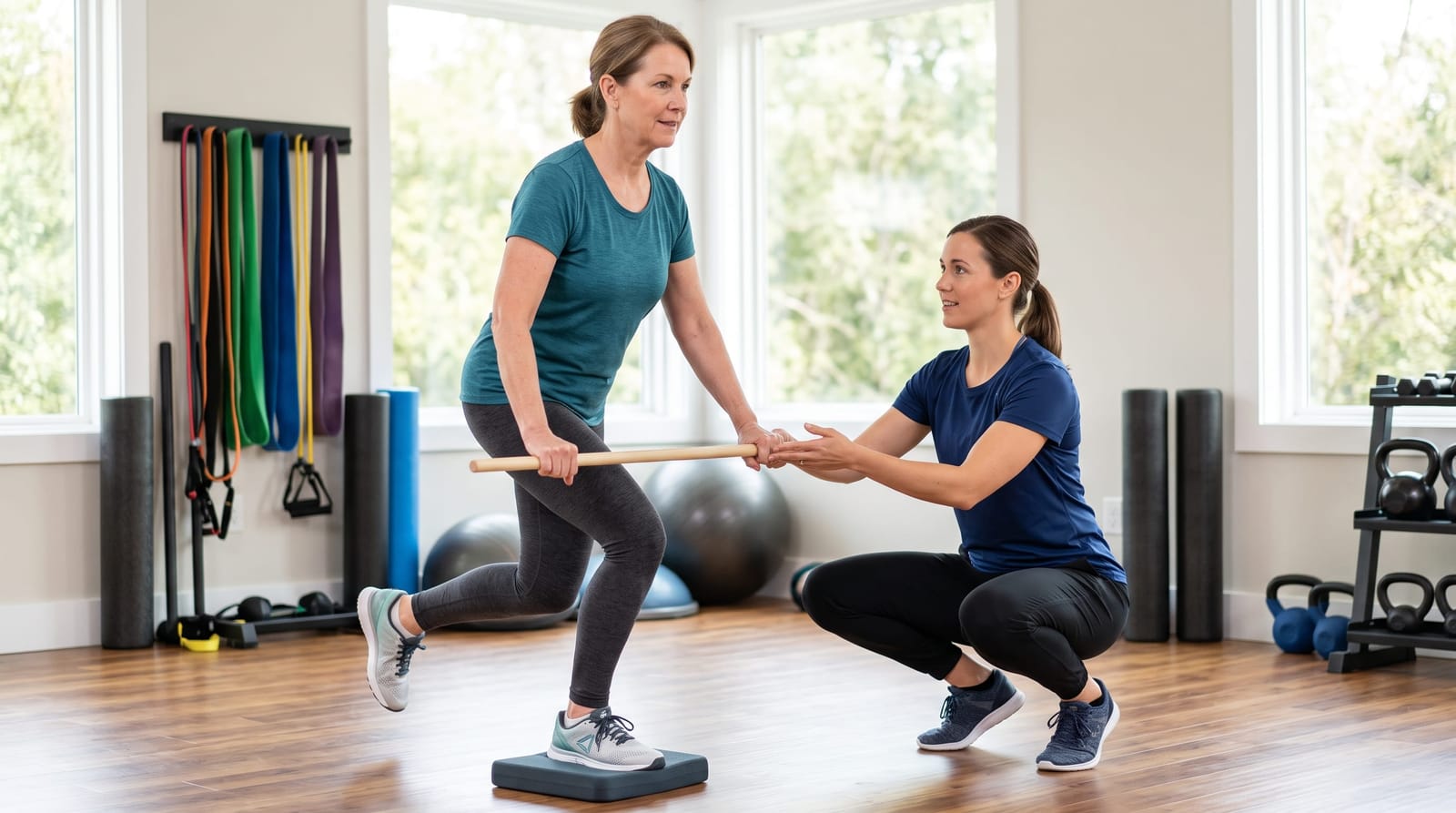
- Single-leg balance and lower extremity alignment
- Core stability and the ability to maintain spinal positioning under load
- Symmetry between left and right sides of the body
A skilled trainer or movement specialist observes these patterns, notes where compensation or restriction appears, and uses those findings to guide a targeted corrective or strengthening plan.
The Real Cost of Preventable Workplace Injuries
Numbers tell a clear story here. The Occupational Safety and Health Administration (OSHA) estimates that employers pay approximately $1 billion per week in workers' compensation costs across the U.S. The National Safety Council reports that the average cost of a medically consulted workplace injury exceeds $40,000 when direct and indirect costs are combined.
Direct costs include medical expenses and workers' comp premiums. Indirect costs are often larger. They include lost productivity, the cost of training a temporary replacement, overtime paid to other team members, administrative time managing the claim, and the effect on team morale.
A single preventable back injury can sideline an employee for weeks or months. For small and mid-sized Colorado businesses, that disruption has an outsized effect on operations. For industries with physically demanding roles, landscaping, warehousing, construction, caregiving, or field services, the risk compounds quickly when multiple employees share similar movement vulnerabilities.
This is where proactive screening becomes a meaningful investment rather than an added expense. Spending a few hundred dollars per employee on a movement screen is far more manageable than absorbing the downstream costs of an injury that could have been anticipated and addressed. For businesses already exploring executive wellness program Colorado Springs options, extending movement screening to physically active staff creates a cohesive approach to organizational health.
How Movement Screening Fits Into a Corporate Wellness Framework
Movement analysis is not a standalone product. It works best when embedded within a broader corporate wellness structure that includes follow-through on findings. Here is how that typically looks in practice.
Step 1: Identify Who Benefits Most from Screening
Not every employee carries the same injury risk. Start by identifying roles that involve repetitive physical tasks, heavy lifting, prolonged standing, or awkward postures. These employees benefit most from early screening. New hires in physical roles are also excellent candidates, since identifying limitations before work habits form is far more effective than correcting them later.
Step 2: Conduct Individual Movement Assessments
A qualified trainer conducts the screen in a private, low-pressure setting. The employee performs a series of movements while the trainer observes alignment, symmetry, and range of motion. Sessions are typically 30 to 60 minutes. There is no pass or fail: the screen is informational, not evaluative.
Step 3: Develop Individualized Action Plans
Based on findings, each employee receives a personalized plan. This might include targeted mobility exercises, strength-building work for underactive muscle groups, or movement pattern coaching specific to their job demands. The plan is practical and integrated into their schedule, not an added burden.
Step 4: Implement and Reassess Over Time
Movement patterns change with consistent attention. Reassessing employees every 90 to 180 days helps track progress, identify new concerns, and demonstrate measurable improvements over time. These reassessments also provide documentation that shows a company's proactive investment in employee safety.
For companies unsure where to begin, reviewing signs your employees need a corporate wellness program can help clarify whether movement screening should be a starting priority.
Movement Analysis for Desk-Based Employees: Don't Overlook the Office
It's easy to associate movement screening with construction workers or warehouse staff. But office-based employees carry their own set of movement risks, and those risks are often invisible until they become a problem.
Prolonged sitting tightens hip flexors, weakens glutes, and places sustained compression on lumbar discs. Repetitive typing and mouse use strains wrists, forearms, and shoulders. Poor monitor height leads to forward head posture and chronic neck tension. These patterns develop slowly over months and years. By the time an employee reports pain, the problem has usually been building for a long time.
Research from the American Journal of Preventive Medicine has shown that sedentary behavior at work is associated with increased rates of musculoskeletal discomfort. For employers with large office populations, movement screening surfaces the cumulative strain patterns that desk work creates, and provides a clear direction for corrective action before those patterns become claims.
Simple interventions identified through screening, such as hip flexor mobility work, upper back strengthening, or changes to workstation setup, can make a meaningful difference in how employees feel and function over a full workday.
What Makes a Good Movement Screening Program for Colorado Businesses
Not all screening programs are created equal. When evaluating options for your team, look for a few key qualities.
Individualized Attention
Group fitness assessments and generalized wellness apps cannot replicate the value of a one-on-one screen with a skilled trainer who understands how to observe and interpret movement patterns in context. Private, personalized screening yields far more actionable information.
Job-Relevant Context
A good movement screen considers the specific physical demands of the employee's role. A healthcare worker who lifts patients faces different stressors than a driver who sits for eight hours. The screening and any resulting plan should reflect that context.
Follow-Through Support
Screening without a plan is incomplete. Employees need practical, accessible guidance on what to do with the findings. Whether that means a brief series of individual training sessions, an ergonomic coaching visit, or a customized home exercise program, the follow-through is where the injury prevention actually happens.
Employer-Friendly Reporting
HR managers and operations leaders benefit from aggregate insights. A good program provides anonymized team-level data that helps employers understand overall risk patterns, track progress, and justify continued investment to leadership. Please note that any workplace health program should be reviewed with appropriate HR and legal counsel to ensure compliance with applicable privacy and employment regulations.
Related Topics Worth Exploring
Movement analysis is one piece of a larger wellness picture. If you are building out a more comprehensive approach to employee health, these related topics offer additional depth:
- Understanding the full corporate wellness ROI business Colorado Springs case helps leadership connect movement screening investments to measurable bottom-line returns.
- For organizations where key personnel or executives carry the highest physical and mental load, executive wellness program Colorado Springs options address high-performers with the personalized support they need.
- Recognizing the signs your employees need a corporate wellness program can help you determine whether movement screening is a timely and relevant starting point for your organization.
Conclusion: Prevention Is a Strategy, Not an Expense
Movement analysis workplace injury prevention in Colorado is one of the most direct, evidence-informed tools available to employers who want to protect their people and their bottom line. A structured screening program identifies physical vulnerabilities early, guides targeted corrective action, and creates documentation of a company's commitment to employee safety. The cost of proactive screening is a fraction of the cost of a single lost-time injury claim. More importantly, it reflects a genuine investment in the people who keep your business running.
Total Body Works offers private, personalized movement screening and corporate wellness programming for Colorado Springs businesses of all sizes. Reach out today to learn how we can design a program that fits your team's needs, schedule, and goals.