How Married Athletes in Colorado Springs Train and Recover Together
Active couples in Colorado Springs share something most partners don't: a lifestyle built around movement, sweat, and the quiet satisfaction of pushing limits together. But training as a team doesn't always mean recovering as one. When one partner logs marathon miles and the other prioritizes strength work or recreational tennis, their bodies are telling two different recovery stories. This guide walks through how active couples can build a shared recovery routine around individualized massage therapy, so both people get exactly what their body needs without sacrificing the consistency that makes recovery work.
Step 1: Recognize That You're Two Athletes, Not One Unit
The first and most important step for any active couple is acknowledging that shared enthusiasm for fitness doesn't mean shared physical demands. You might wake up at the same time, drive to the same trailhead, or cheer each other through the same race, but your muscles, joints, and recovery timelines are uniquely your own.
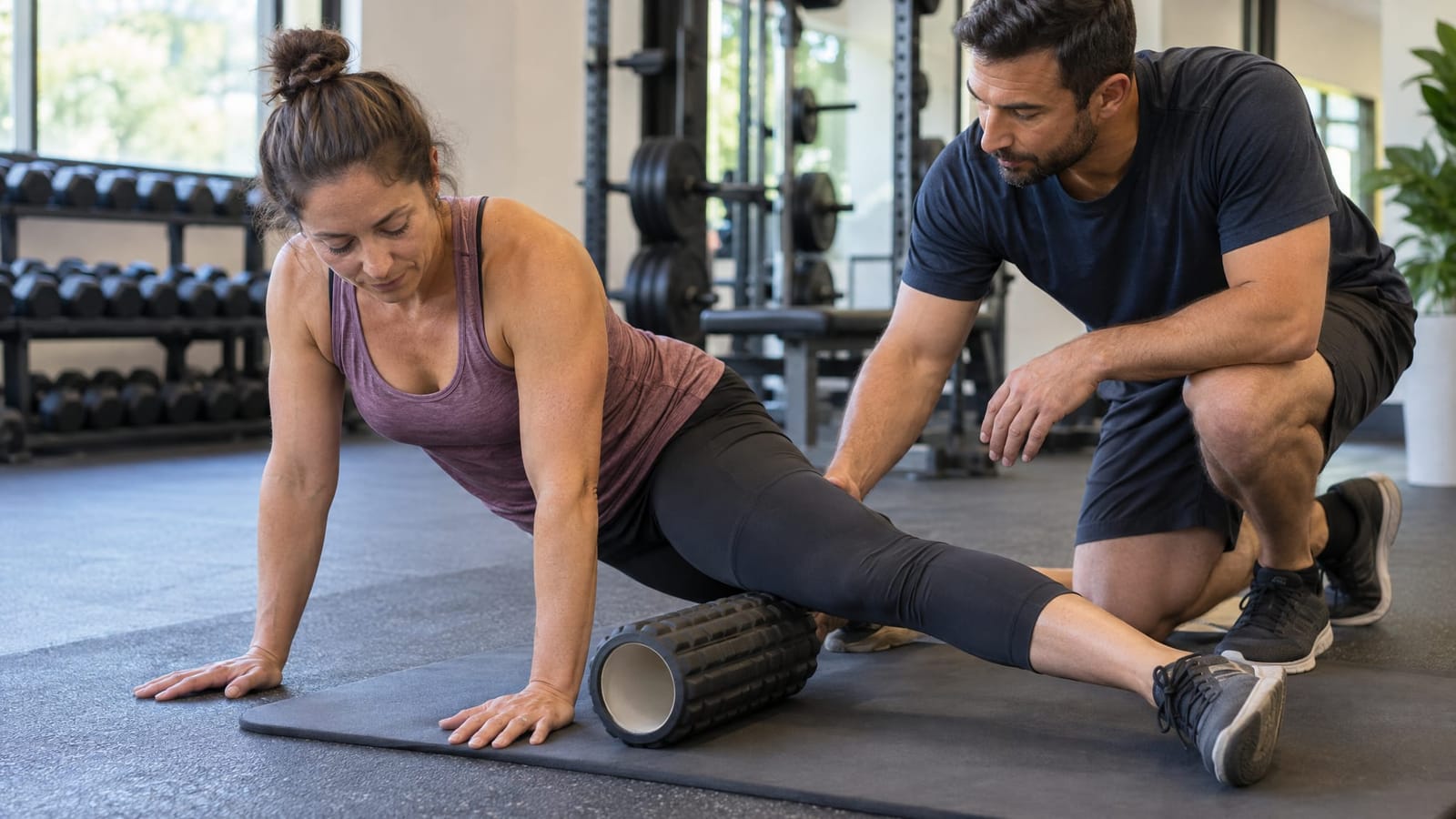
Consider a common scenario in Colorado Springs: one partner trains for road races and spends the bulk of their training volume on repetitive lower-body movement, dealing with hip flexor fatigue and calf tension. The other hits the gym four days a week for resistance training, accumulating upper-back tightness, shoulder load, and grip fatigue. Both are working hard. Both are committed. But what helps one person recover won't necessarily be the right approach for the other.
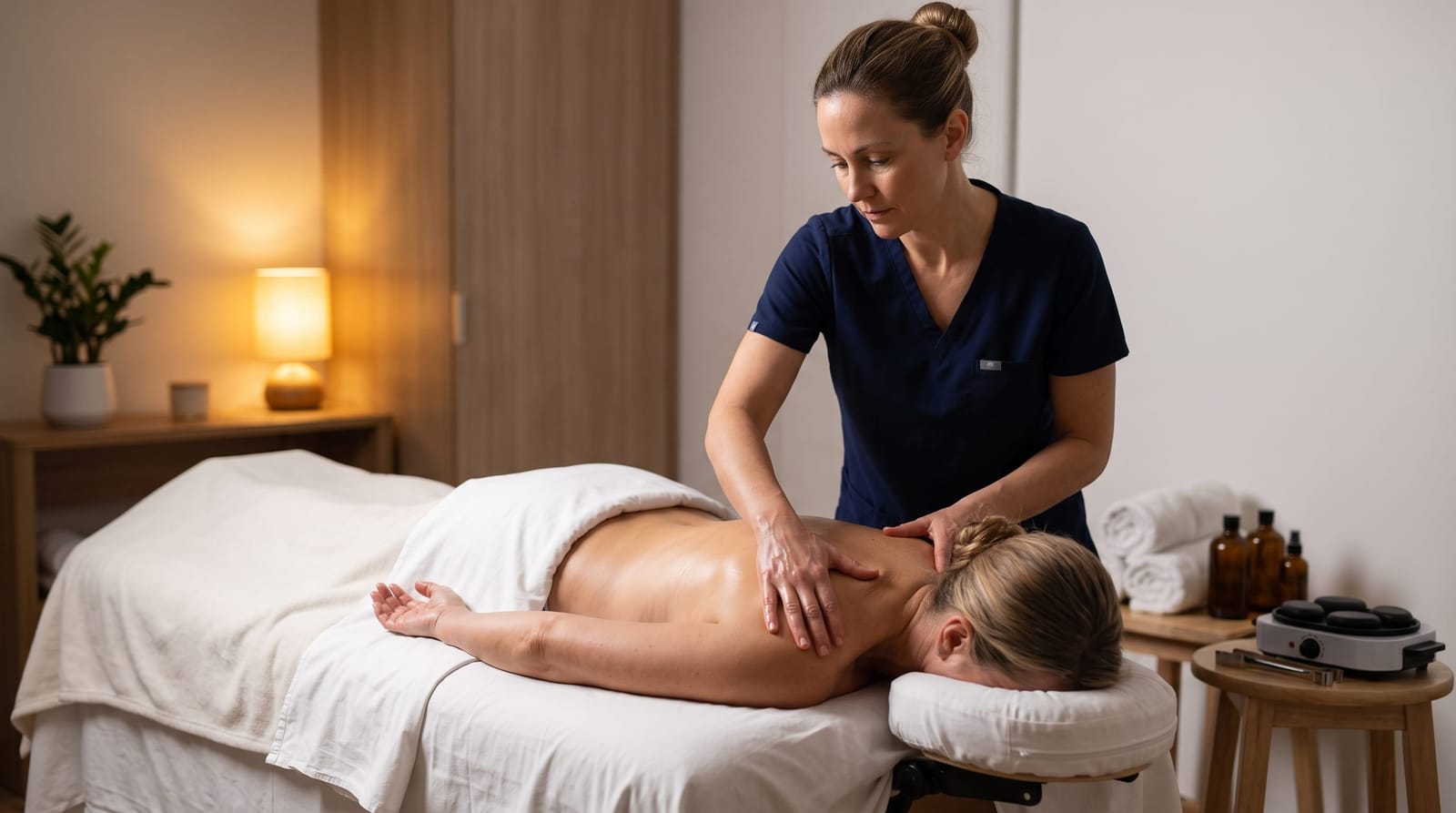
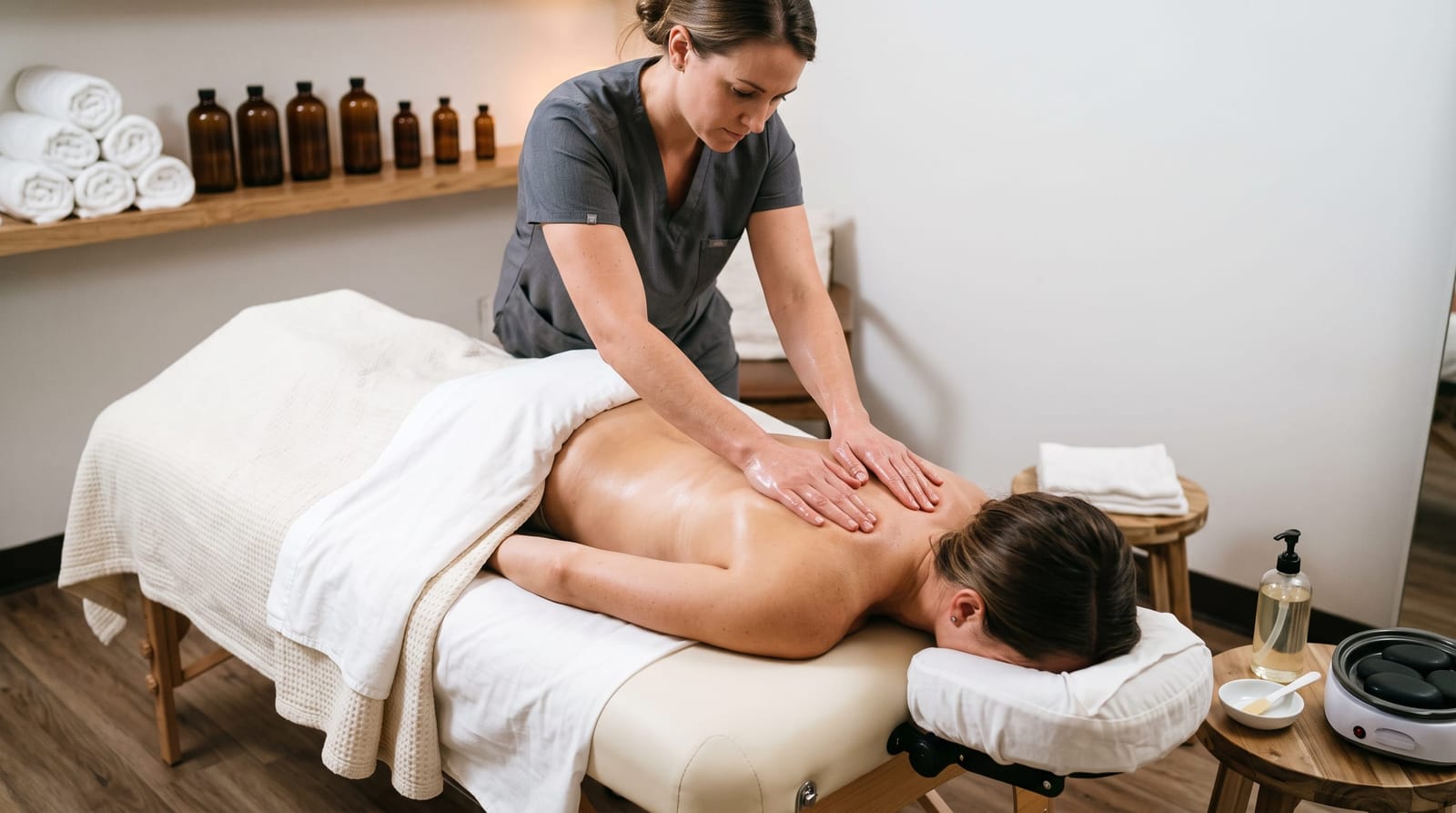
This is where individualized assessment becomes the foundation of effective couples recovery. Rather than booking a generic massage experience and hoping it addresses your specific demands, look for a provider who takes the time to understand what each person is actually doing in their training, and tailors the session accordingly. At Total Body Works, each partner is assessed separately so that the session reflects their actual physical load, not a one-size-fits-both assumption.
Recognizing your individuality as athletes is what allows you to recover together effectively. It's not about doing the same thing: it's about doing the right thing, at the same time, in the same place.
Step 2: Map Your Training Calendar Before Scheduling Recovery
Recovery isn't something you add on after you've already exhausted yourself beyond your body's ability to bounce back. It's a planned component of a well-structured training week. For couples, having a shared training calendar is a real advantage, because it lets you identify the moments when both partners are ready for a recovery session at the same time.
Here's a practical way to approach it:
- Identify your highest-load training days. Look at the week ahead and note which days each of you takes on your biggest sessions: long runs, heavy lifts, intense court time, or back-to-back workouts.
- Find the day-after window. The 24 to 48 hours following your most demanding sessions is often when targeted soft tissue work can be most useful for supporting your body's natural recovery process. Look for a shared day in that window.
- Mark it as a non-negotiable appointment. Treat your recovery session the same way you treat a training session: it's on the calendar, it has a time, and you show up for it.
- Build in some flexibility. Life happens, race schedules shift, and one partner may have a peak training week while the other is tapering. Allow for occasional solo appointments when your schedules don't perfectly align, and don't let that derail the overall habit.
Mapping the calendar first removes the guesswork and helps recovery graduate from "something we try to do" to a genuine part of how you train.
Step 3: Book Back-to-Back or Same-Day Appointments That Work for Both of You
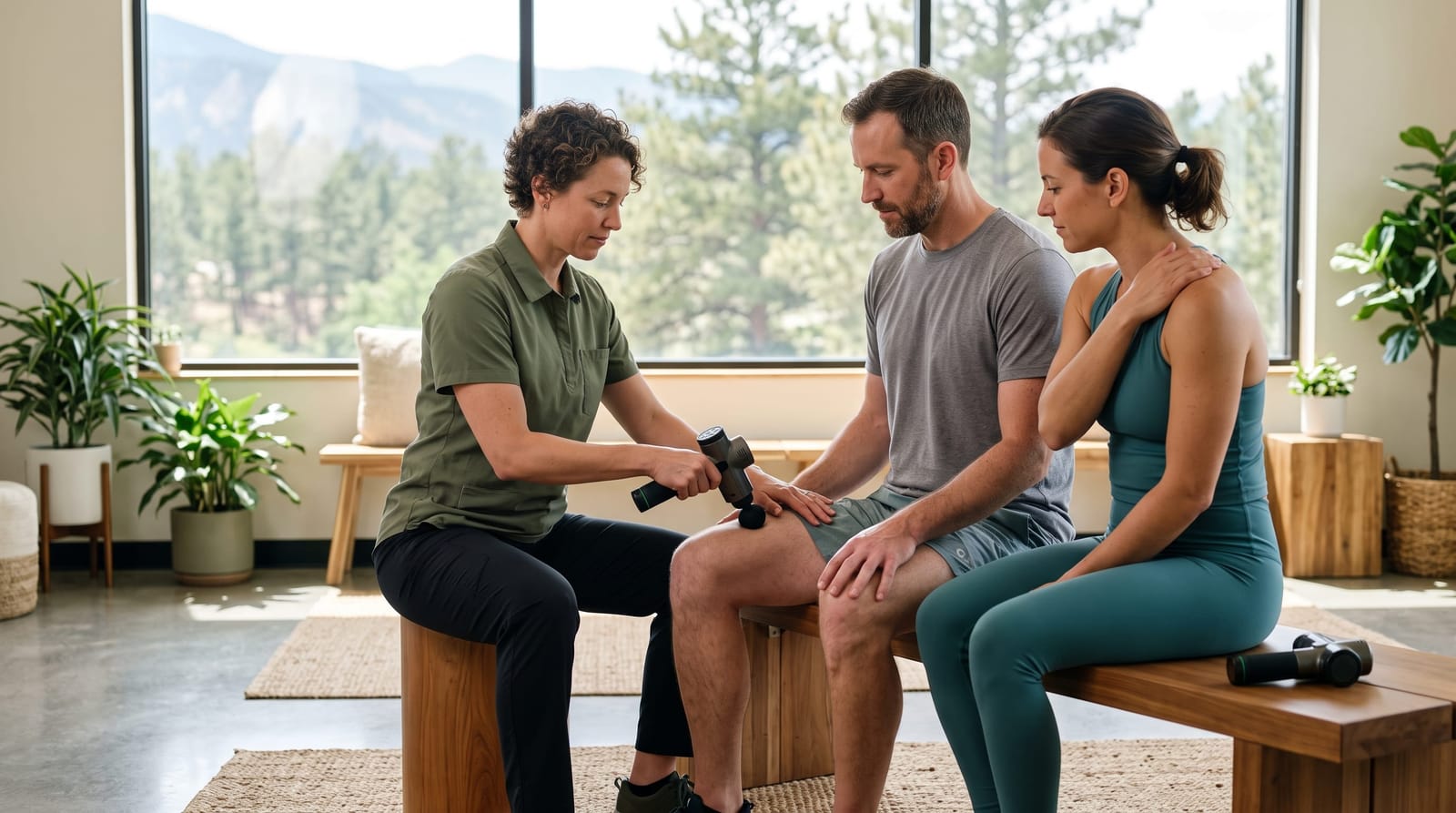
One of the simplest and most effective logistics strategies for active couples is booking back-to-back or same-day appointments at the same location. This approach turns recovery from an individual errand into a shared experience: you arrive together, you each get a session tailored to your own needs, and you leave together.
At Total Body Works in the Colorado Springs area, this kind of scheduling is straightforward to coordinate. Rather than one partner waiting in the parking lot while the other finishes a session, back-to-back bookings let both of you use your time well and walk out with the same sense of reset.
A few tips for making same-day scheduling sustainable:
- Communicate your individual goals to your therapist separately. Just because you arrived together doesn't mean your sessions should mirror each other. One of you may need focused work on the IT band and lower legs; the other may need attention on the thoracic spine and rotator cuff. Speaking separately ensures each session reflects individual needs.
- Consider the timing around meals and hydration. Arriving well-hydrated and not immediately post-meal makes the experience more comfortable for both of you.
- Build a brief recovery ritual around your appointments. A short walk, a quiet coffee, or even just the drive home gives both of you time to let the session settle, and reinforces the habit of taking recovery seriously as a couple.
Step 4: Talk About What Each of You Is Experiencing Post-Session
One of the underrated benefits of recovering together is the conversation it creates. When both partners are engaged in the same recovery process, even if the sessions themselves are individualized, you start developing a shared language around how your bodies feel and what's working.
This isn't about comparing notes or competing over who had more muscle soreness. It's about building the kind of awareness that helps both of you make smarter training decisions over time. If one partner notices consistent tension in the same area week after week, that's a useful signal worth paying attention to. If the other finds that recovery sessions scheduled after their longest training days make a noticeable difference in how they feel by midweek, that's worth building into the routine permanently.
Active couples who talk openly about recovery tend to hold each other accountable in a healthy way. It becomes less of an individual responsibility and more of a shared commitment, which is exactly the kind of habit that sustains itself over months and years, not just through a single training cycle.
For couples navigating different sports, different intensities, or even different phases of training, this ongoing conversation is one of the most valuable tools you have. Recovery isn't a destination: it's a practice, and practicing it together makes it stickier for both of you.
Step 5: Make It a Long-Term Rhythm, Not a One-Time Fix
The couples who benefit most from shared recovery routines aren't the ones who schedule a massage after a particularly brutal training block and then forget about it for three months. They're the ones who treat regular soft tissue work as part of how they live as athletes: something that happens consistently, not reactively.
Building recovery into your rhythm as a couple means thinking in seasons, not single sessions. Your training load will ebb and flow. There will be race seasons, off-seasons, periods of ramping up, and periods of dialing back. Your recovery routine should flex alongside that: more frequent appointments during high-intensity training periods, maintenance sessions during lower-demand weeks.
Total Body Works works with active adults and athletes in the Colorado Springs and Monument area who are thinking about fitness exactly this way: not as a short-term project, but as a long-term investment in how well they move and feel. That philosophy applies equally to how couples approach recovery together.
Frequently Asked Questions
Can two people with completely different training styles benefit from the same recovery appointment slot?
Absolutely. The key is that each person receives an individualized session tailored to their specific training demands, not a shared or identical experience. Back-to-back scheduling means you arrive and leave together, but each session is designed around what that individual's body needs. A marathon runner and a weightlifter can both benefit from massage therapy on the same day, even if the focus areas and techniques differ significantly between sessions.
How often should active couples schedule recovery massage sessions?
Frequency depends on each person's training volume, intensity, and individual recovery needs, which is why it's worth discussing with your massage therapist directly. As a general starting point, many active adults and recreational athletes find that a consistent session every two to four weeks provides meaningful support during regular training periods, with more frequent scheduling during high-demand training blocks. Your therapist can help you identify a rhythm that makes sense for where you are in your training cycle.
What if one partner is more serious about training than the other?
That's completely normal, and it's actually not a barrier to building a shared recovery habit. Even if one partner trains at a higher volume or intensity, the other can still benefit from regular massage therapy based on their own activity level, whether that's recreational hiking, recreational sports, or light gym work. Recovery isn't exclusive to elite athletes. The sessions are tailored individually, so each person gets what's appropriate for their body and lifestyle, regardless of how their training compares to their partner's.
Is it possible to book same-day appointments at Total Body Works for two people?
Yes. Total Body Works accommodates back-to-back and same-day scheduling for couples at their Colorado Springs area location. It's worth calling ahead or booking in advance to coordinate timing that works for both partners, especially during busier periods. The team is familiar with working with active couples and can help you find a scheduling approach that fits your training calendar.
Building Recovery Into Your Life Together
Training together is one of the best ways active couples in Colorado Springs stay connected to each other and to the lifestyle they've built. Recovering together takes that commitment one step further: turning individual physical needs into a shared habit that supports both partners over the long run. By recognizing your differences, planning around your training calendar, booking strategically, and staying consistent, couples can make recovery a rhythm rather than an afterthought. When each person gets the individualized attention their body needs, you both show up stronger, for your next workout and for each other.