The Role of Massage Therapy in an Active Aging Fitness Program
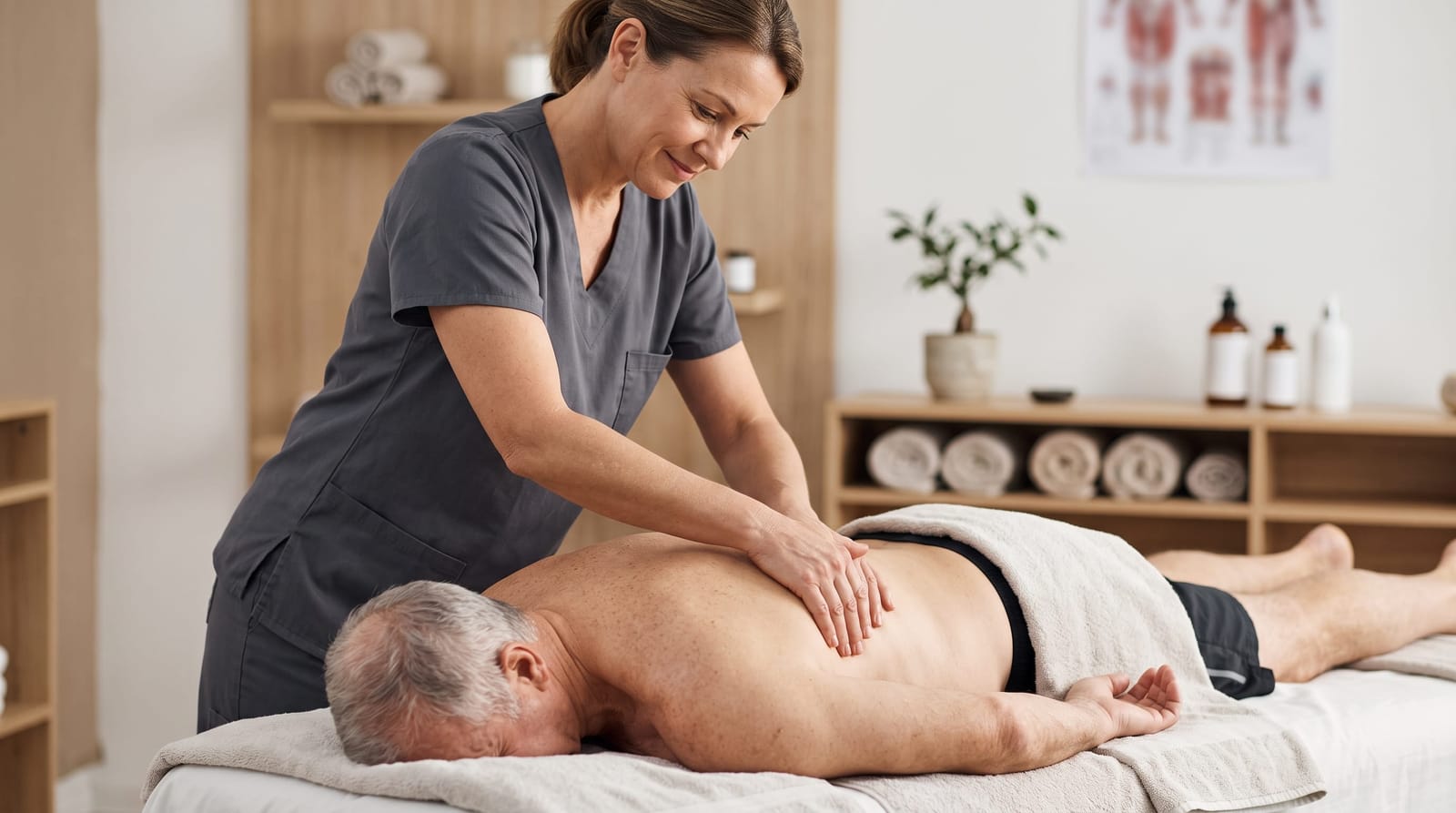
Massage therapy can complement an active aging fitness program by providing time for relaxation and attention to how your body feels between workouts. Some people find that it helps them feel less tense or more comfortable after activity. Its role is supportive: massage does not replace strength training, mobility work, sleep or rest. The practical question is how it fits your goals, preferences and weekly routine.
Start With a Balanced Approach to Recovery
Recovery needs depend on more than age. The difficulty of a workout, unfamiliar movements, sleep and your recent activity all influence how you feel afterward. A demanding hike and a new strength routine can make for a very different week than familiar, moderate exercise.
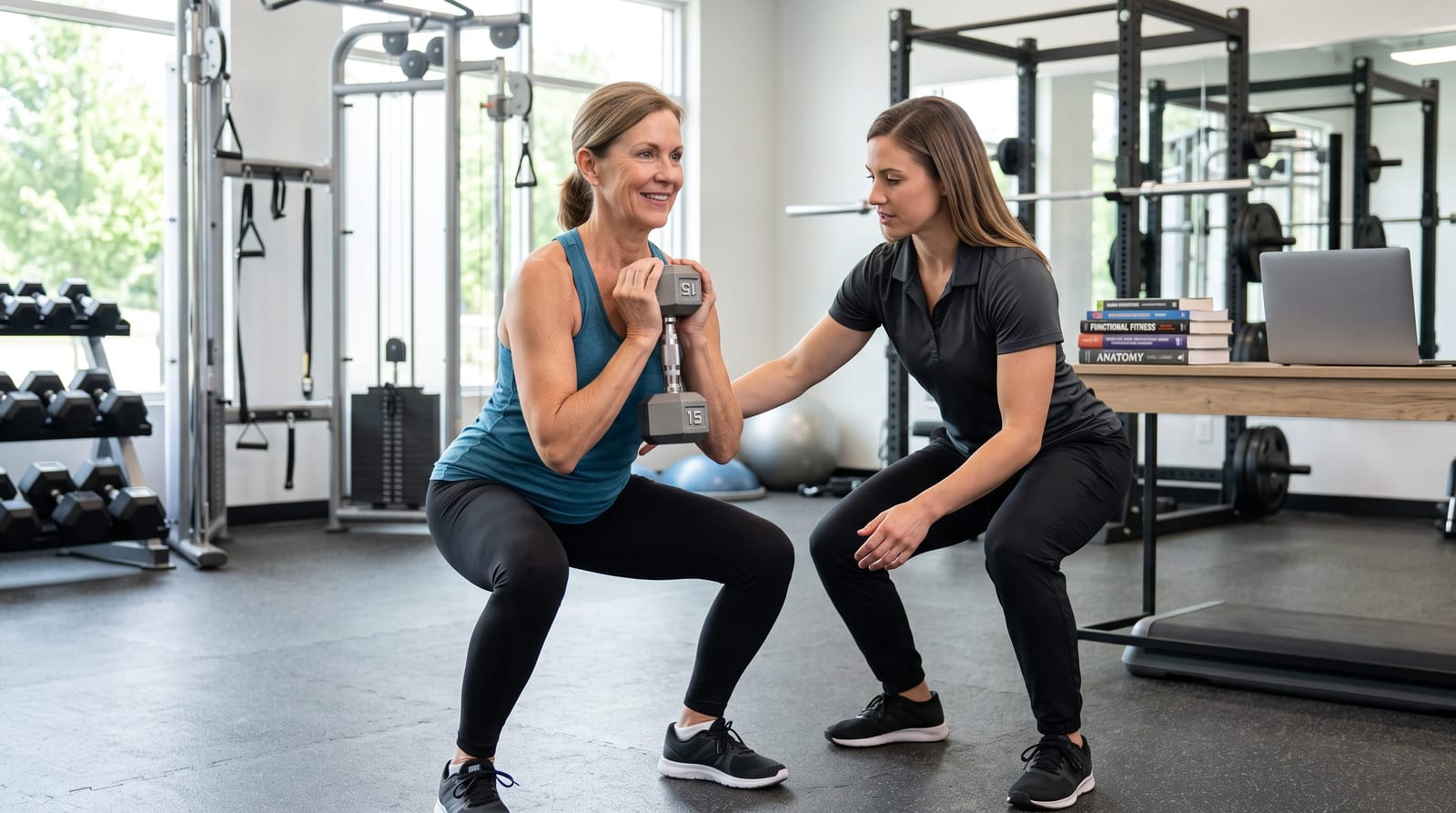
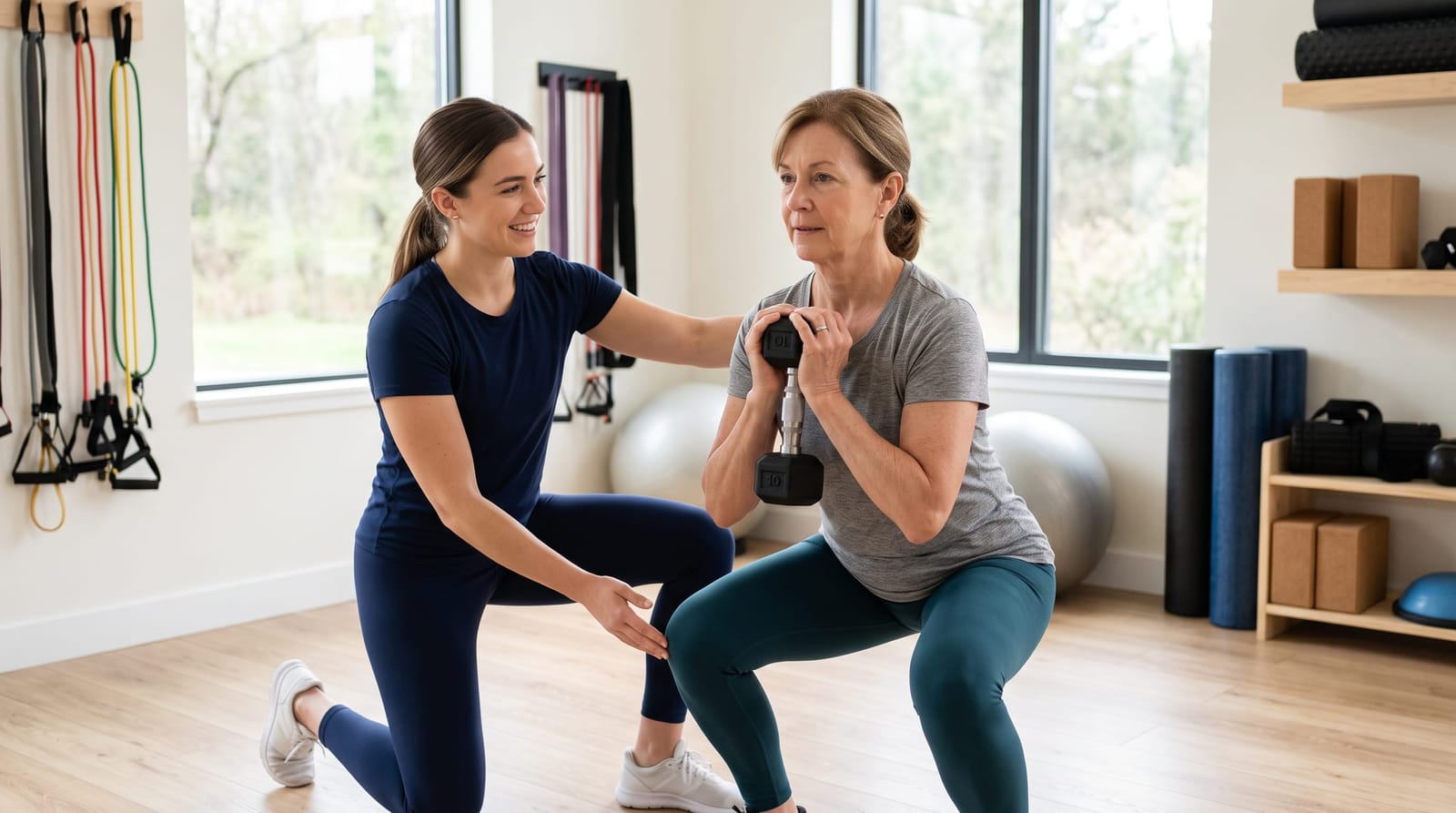
When starting strength training later in life, a manageable program leaves room to learn movements and adjust to the workload. Massage can be part of that routine, but it is not a way to make an overly demanding schedule sustainable.
Useful observations to share with your trainer include:
- Which activities felt more demanding than usual
- Whether you felt ready for the next planned workout
- How sleep, work and other activities affected your energy
- Whether the current schedule feels practical to maintain
These details give the conversation more direction than assuming everyone needs the same recovery window.
Massage and Mobility Work Serve Different Purposes
Mobility means being able to move through the range needed for a task. Reaching overhead, getting up from a chair and stepping onto uneven ground involve movement skills as well as strength and control.
Massage involves hands-on work with muscles and other soft tissues. Exercise provides practice using your movement range under your own control. Feeling more relaxed after a massage is different from developing the strength and coordination needed to carry groceries or climb stairs.
For example, if reaching overhead is a fitness goal, a trainer can select and adjust exercises around that task. A massage session can focus on your comfort preferences, but it does not replace practicing the movement. Massage also does not take the place of a workout warm-up.
Make Room for Relaxation Without Overlooking Sleep
A massage appointment creates dedicated time away from work, screens and other demands. That quiet break may be part of its appeal, even when there is no specific training-related concern to address.
Sleep still deserves its own attention. It supports recovery and adaptation to exercise, as we explain in our article on sleep quality and muscle recovery. A massage appointment cannot make up for a schedule that regularly leaves too little time for sleep.
Choose Massage Timing and Frequency Around Your Routine
There is no single massage schedule that fits every active adult. Age or workout frequency alone is not a useful reason to commit to weekly, twice-monthly or monthly sessions. A practical schedule reflects your preferences, how sessions fit your life and whether you find them worthwhile.
These factors can help shape the decision:
- Your purpose: A session intended as a quiet break may fit differently than one scheduled around a particular training phase.
- Your exercise calendar: Looking at your weekly exercise schedule alongside work and other commitments helps identify a time that does not feel rushed.
- Your response: Noticing how you feel later that day and during your next workout gives you something concrete to discuss with your massage therapist.
- Your preferences: Session timing, pressure and areas of focus all matter. More frequent appointments are not automatically a better fit.
A lighter training day can be convenient for scheduling, but it is not a universal rule. The goal is a useful addition to your routine, not another obligation that makes it harder to maintain.
What to Discuss Before a Massage Session
A clear conversation helps your massage therapist understand what you want from the session. Relevant details include your usual activities, recent changes in training, preferred pressure and any areas you would rather not have worked on.
For example, someone who has added longer walks might mention that change rather than simply requesting a full-body massage. Someone seeking relaxation might prefer lighter pressure and a quieter session. These are different preferences, not different levels of commitment to fitness.
Deeper pressure is not automatically better. Describing pressure as comfortable, too strong or too light gives the therapist useful feedback without requiring technical language.
When an injury, medical condition or medication could affect a session, your individual situation needs input from a licensed healthcare professional. Our licensed massage therapists can discuss the massage approach and your comfort preferences.
How Massage Fits With Training at Total Body Works
At Total Body Works in Colorado Springs, we offer massage therapy with licensed massage therapists alongside personalized training in a private gym environment. Our active aging programs focus on balance, flexibility and functional strength, meaning strength for everyday movements.
Our training approach starts with movement screening and emphasizes strength, stability, function and flexibility before progressing toward the next phase of a program. Massage has a separate, complementary role within that broader routine.
Having both services in one location simplifies the logistics. Sharing your current training goals and comfort preferences with each professional helps keep those conversations connected. We do custom packages and someone from the staff will reach out to discuss further.
The value of massage is not measured by how often it appears on the calendar. It comes from whether it serves a clear purpose alongside consistent exercise, adequate rest and a routine you can sustain.