
How to Measure Progress in a Body Transformation Program Beyond the Scale
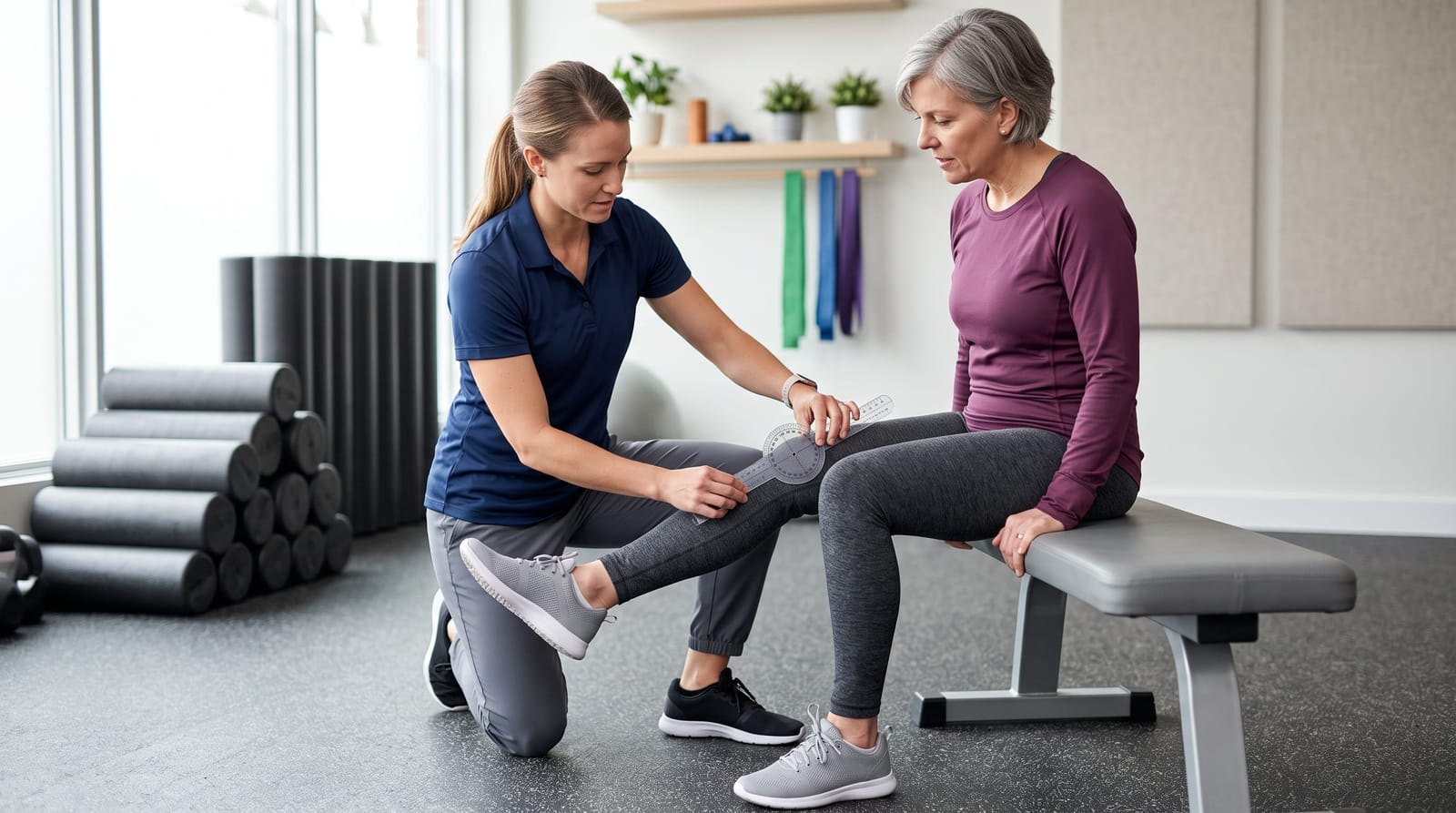
One of the most important, and most overlooked, aspects of any body transformation program is knowing how to accurately measure whether it's working. If you're following a structured program and relying solely on a number on the bathroom scale, you may be missing the clearest signals of genuine progress. Real transformation shows up in multiple dimensions: how your clothes fit, how much weight you can lift, how well you sleep, and how easily you move through your day.
This guide is designed as a companion to our complete guide to body transformation in Colorado Springs, focusing specifically on tracking progress body transformation program participants often underutilize. Whether you're in week two or week twelve, these essential tracking methods will give you a far more accurate and motivating picture of what your body is actually doing.
1. Use Body Measurements as Your Most Reliable Baseline
Body measurements are one of the most consistent and informative tools available for tracking progress in a body transformation program. Unlike the scale, which fluctuates based on hydration, digestion, sodium intake, and even time of day, circumference measurements taken at key sites reflect genuine changes in body composition over time.
Where to Measure and How Often
Standard measurement sites include the chest, waist, hips, upper arms, and thighs. Tracking these weekly or bi-weekly under consistent conditions (same time of day, same tape tension) gives you a reliable trend line rather than a single data snapshot. Research and coaching experience consistently show that clients who track measurements in addition to weight report higher program satisfaction and better long-term adherence.
At Total Body Works, every client begins with a detailed intake that includes circumference measurements at multiple sites. These become the benchmark against which all future measurements are compared, allowing coaches to identify where changes are occurring and adjust the program accordingly. For a deeper look at exactly how this process works, explore our detailed breakdown of body measurements tracking transformation fitness.
Tracking Body Composition, Not Just Weight
Body composition, the ratio of lean tissue to fat tissue, is a far more meaningful indicator of transformation than total body weight. Two people can weigh exactly the same while looking and feeling completely different based on their body composition. This is why understanding the difference between weight and composition is foundational, and it's explored further in our post on body composition training Colorado Springs.
2. Track Strength Benchmarks With Specific, Repeatable Tests
Strength improvements are one of the clearest, most objective indicators that a training program is working. When you can perform more repetitions, lift more load, or complete the same exercise with better control than you could four weeks ago, something real is happening inside your muscle tissue, connective tissue, and nervous system.
Choosing the Right Benchmarks
Your strength benchmarks should be tied to exercises you're actually performing in your program. Common examples include:
- Lower body: Goblet squat or leg press: tracking load and rep count over time
- Upper body push: Push-up variation or chest press: measuring reps at a given load
- Upper body pull: Seated row or assisted pull-up: tracking progression in resistance
- Core stability: Plank hold time: noting improvements from week to week
A study published in the Journal of Strength and Conditioning Research found that individuals following structured progressive resistance programs improved their one-rep max strength by an average of 25-35% over 12 weeks. Even without targeting maximal lifts, consistent logging of working weights and rep ranges provides clear numerical evidence of adaptation.
Why Logging Matters
Without a written or digital log, it's nearly impossible to see the gradual upward trend that defines real progress. Many clients are surprised to look back at their first-week numbers and realize they've added 20 or 30 pounds to a key movement. That's data a scale cannot capture.
3. Assess Mobility and Movement Quality
Improved mobility is often the unsung hero of a well-designed body transformation program. When your hips move more freely, when you can reach overhead without restriction, or when you can perform a bodyweight squat with full depth and control, your body is functioning at a higher level, and daily life gets noticeably easier.
Simple Mobility Markers to Track
- Hip flexor flexibility: Half-kneeling lunge depth and comfort
- Shoulder mobility: Ability to reach behind the back with both arms (apley scratch test)
- Ankle mobility: Knee-to-wall distance during a wall ankle test
- Thoracic rotation: Range of rotation while seated or kneeling
These assessments can be repeated every four to six weeks to document meaningful changes. Clients who begin a program with significant mobility restrictions often notice functional improvements, like being able to pick something up off the floor without discomfort, well before the scale begins to reflect any change. These quality-of-life improvements are powerful motivators worth documenting.
4. Monitor Energy Levels and Sleep Quality as Performance Indicators
Sustainable transformation doesn't happen in the gym alone: it happens in the 23 hours between sessions. How your body recovers, how deeply you sleep, and how much energy you bring to each day are all direct indicators of whether your program is creating positive adaptation or unnecessary stress.
Tracking Energy and Recovery Subjectively
A simple daily rating system, scoring energy levels on a scale of 1 to 10 each morning, takes less than five seconds and creates a remarkably useful data trail over time. Over 8 to 12 weeks, patterns emerge. Many clients report that by weeks four through six of a consistent structured program, their average morning energy score climbs from a 5 or 6 to a 7 or 8, even before significant changes in body composition are visible.
Sleep as a Recovery Metric
Sleep quality is closely tied to training outcomes. The National Sleep Foundation notes that adults who consistently get 7-9 hours of quality sleep recover more effectively from exercise and experience better hormonal balance. Wearable trackers, sleep apps, or even a simple written journal can help you identify whether your sleep is improving as your fitness improves: another dimension of progress that a scale completely ignores.
This connection between lifestyle habits and transformation results is also central to our post on nutrition and personal training body transformation, which explores how recovery, eating, and exercise interact as a unified system.
5. Use Functional Fitness Tests to Measure Real-World Capacity
Functional fitness refers to your ability to perform the physical demands of everyday life: carrying groceries, climbing stairs, playing with children or grandchildren, maintaining balance on uneven ground. Testing and retesting these capacities gives you a practical, meaningful measure of transformation that goes far beyond aesthetics.
Functional Tests Worth Repeating Every 4-6 Weeks
- 30-Second Chair Stand Test: Counts how many times you can stand from a chair and sit back down in 30 seconds: a validated measure of lower body strength and functional independence
- Farmer's Carry Distance: How far you can walk while carrying a challenging load: reflects real-world carrying capacity
- Single-Leg Balance Hold: Time standing on one foot with eyes open, then eyes closed: tracks balance and stability improvements
- Step-Up Test: Number of step-ups completed in a given time: measures cardiovascular and lower body endurance together
These tests require no special equipment and can be performed consistently across program phases. A 15-20% improvement in a 30-second chair stand result over 12 weeks, for example, is a genuinely meaningful measure of functional capacity: one that has real implications for long-term independence and quality of life.
6. Take Progress Photos and Note Qualitative Lifestyle Changes
Progress photos, taken under consistent conditions (same time of day, same lighting, same angle), give you visual documentation that neither measurements nor scale numbers can fully capture. Many clients are their own harshest critics in the mirror but are genuinely surprised when comparing a week-two photo to a week-ten photo side by side.
Photo Protocols That Work
Shoot photos every two to four weeks. Use natural lighting if possible, keep clothing consistent, and take front, side, and back views. These aren't for public sharing: they're a personal record of your body's response to consistent work.
Tracking the Non-Physical Wins
Some of the most meaningful progress markers aren't measurable at all, at least not numerically. Keep a brief weekly journal note about qualitative changes:
- Are you less winded climbing stairs?
- Do your jeans fit differently?
- Are you sleeping more soundly?
- Do you feel more confident at work or in social settings?
- Are everyday tasks easier than they were a month ago?
These observations matter. Programs that deliver real transformation change how people live, not just how they look. Understanding why consistent tracking supports long-term success, and why many programs struggle without it, is covered in depth in our post on why transformation programs fail long term.
It's also worth noting that tracking needs evolve across age groups. The markers that matter most in your 30s may differ from those that are most meaningful in your 50s or 60s. Our post on body transformation after 50 Colorado Springs explores how priorities and measurements shift with age.
How Total Body Works Tracks Client Progress at Every Phase
At Total Body Works in Colorado Springs, progress tracking is built into the program from day one, not treated as an optional add-on. Every client begins with a comprehensive assessment that establishes baselines across multiple categories: body measurements, strength benchmarks, movement quality, and an intake conversation about energy, sleep, and functional goals.
Assessments are repeated at structured intervals throughout the program, typically every four to six weeks, so both client and coach can clearly see what's working, what needs adjustment, and where momentum is building. This data-informed approach means program modifications aren't based on guesswork: they're based on actual evidence from your body's response.
Coaches also maintain ongoing communication between sessions, tracking subjective measures like energy and recovery as part of a complete picture. The goal is to make every client feel seen, supported, and genuinely informed about their own progress, not just handed a generic plan and left to figure it out alone.
Conclusion
Tracking progress in a body transformation program is about far more than monitoring a number on the scale. By measuring body composition, strength benchmarks, mobility improvements, energy levels, sleep quality, and functional fitness capacity, you gain a rich, multi-dimensional view of how your body is actually responding to consistent, purposeful training.
The most motivating thing isn't a dramatic single-day result: it's watching a clear pattern of improvement emerge across six or eight different metrics over 10 to 12 weeks. That pattern tells a story no scale can tell.
If you're ready to begin a structured program with built-in progress tracking and personalized coaching in Colorado Springs, contact Total Body Works today to schedule your initial assessment. Your transformation has more moving parts than you think, and that's a very good thing.