Weight Loss vs. Body Composition: Why the Scale Isn't the Right Measure of Transformation

When most people set out on a body transformation journey, the first thing they do is step on a scale. It makes sense: the number feels objective, easy to track, and satisfying when it drops. But here's the truth: that number tells you surprisingly little about what's actually changing in your body. If you've been exploring a body composition training Colorado Springs program, you may have already heard that weight and body composition are two very different things. Understanding that difference can completely change how you approach your fitness goals, and how you measure real progress. This guide breaks down what each term means, why they matter differently, and how a personalized training approach helps you track what's actually working.
What Is Weight Loss: and What Does It Actually Measure?
Weight loss is simple on the surface. You weigh less than you did before. The scale goes down. Done, right?
Not exactly. Body weight is a combined measurement of everything inside you: muscle, fat, water, bone density, organ tissue, and even the food currently in your digestive system. It changes hour by hour. A hard workout can cause temporary water retention. A salty meal can add two pounds overnight. None of that reflects real progress or decline.
When people lose "weight," they're often losing a mix of fat, muscle, and water. Losing muscle while losing fat is a common outcome of extreme calorie restriction or high-volume cardio without strength training. That approach can leave you lighter on the scale but with a higher percentage of body fat: sometimes called being "skinny fat."
Why Scale Weight Is an Incomplete Picture
Consider two people who both weigh 165 pounds. One has 35% body fat and limited muscle mass. The other has 20% body fat and strong, functional muscle tissue. They weigh the same, but their health, fitness capacity, and daily energy levels are completely different.
The scale can't tell that story. It doesn't distinguish between what you've gained or lost. That's why relying on it as your primary measure of transformation often leads to frustration, especially when you're doing everything right but the number isn't moving the way you expected.
What Is Body Composition: and Why Does It Matter More?
Body composition refers to the ratio of fat mass to lean mass in your body. Lean mass includes muscle, bone, water, and organ tissue. Fat mass is the stored fat your body carries.
Improving your body composition means increasing lean mass, reducing fat mass, or doing both at the same time. This is often called a "body recomposition." It produces changes that are visible, functional, and lasting, even when the scale barely moves.
The Real Benefits of Improving Body Composition
- Stronger daily function: More muscle means easier movement: carrying groceries, climbing stairs, keeping up with your kids or grandkids.
- Better metabolic efficiency: Muscle tissue is metabolically active. More muscle means your body burns more energy at rest.
- Improved mobility and joint support: Building strength around major joints helps protect against injury over time.
- Sustained energy: A better body composition often correlates with improved stamina throughout the day.
- Healthy aging: Maintaining lean muscle as you get older is one of the most important factors in long-term independence and quality of life.
These outcomes aren't measured in pounds. They're measured in how well you move, how strong you feel, and how confidently you navigate your daily life.
How Body Composition Training Differs from Traditional Weight Loss Programs
A traditional weight loss program focuses primarily on reducing calorie intake or increasing calorie burn. The goal is a smaller number on the scale.
Body composition training takes a more complete approach. The goal is to preserve or build lean muscle while reducing excess fat. This requires a balance of resistance training, movement quality, recovery, and sustainable habits, not just cardio and calorie cutting.
Strength Training Is Central
Resistance training is the foundation of body composition improvement. Lifting weights, using resistance bands, or performing bodyweight exercises signals your body to maintain and build muscle. Without that signal, your body has little reason to preserve muscle when you're in a calorie deficit.
This is why body composition training looks different from generic gym workouts. It's structured. It's progressive. It's designed around your specific starting point and goals, not a one-size-fits-all plan.
Recovery and Consistency Matter as Much as the Workout
Muscles don't grow during your workout. They grow during recovery. A well-designed program builds in appropriate rest, monitors how your body responds, and adjusts over time. Consistency, showing up regularly over weeks and months, produces the compounding results that actually change your composition.
If you're curious about how body composition goals shift as you age, the post on body transformation after 50 Colorado Springs offers valuable perspective on why this approach becomes even more important as the decades pass.
How Total Body Works Measures Progress Beyond the Scale
At Total Body Works in Colorado Springs, progress is tracked in ways that actually reflect what's changing. Scale weight is just one data point among many, and often not the most meaningful one.
Body Composition Assessments
Tracking body composition directly shows you the ratio of lean mass to fat mass, and how that ratio shifts over time. Tools like InBody analysis (available at local facilities such as the Hybl Center in Colorado Springs) provide detailed measurements of muscle mass, fat distribution, and hydration levels. This gives a far more accurate picture of progress than any bathroom scale.
Functional Performance Measurements
How much can you lift compared to when you started? How many steps does it take before your legs fatigue? Can you now perform exercises that were too difficult three months ago? These are real markers of transformation. They reflect strength, endurance, and movement quality: outcomes that matter for your daily life.
Physical Measurements
Waist circumference, hip measurements, and how your clothing fits are practical indicators of body composition change. Someone building muscle while losing fat might see their measurements decrease while their weight stays the same. That's a win, even if the scale disagrees.
Understanding where fat is stored and how it responds to training is another layer of this picture. The post on visceral fat loss exercise program Colorado Springs explores the difference between fat types and why that distinction matters in a structured training program.
Energy, Mood, and Quality of Life
Clients frequently notice improvements in sleep quality, daily energy, and overall mood long before the scale reflects significant change. These qualitative markers matter. A good program pays attention to them because they signal that the body is responding positively to the work being done.
The Side-by-Side Comparison: Weight Loss vs. Body Composition Training
Let's put both approaches directly side by side to make the distinction clear.
| Factor | Traditional Weight Loss Focus | Body Composition Training Focus |
|---|---|---|
| Primary Goal | Lower the number on the scale | Reduce fat, preserve or build muscle |
| What Gets Measured | Total body weight | Fat mass, lean mass, measurements, performance |
| Training Approach | Primarily cardio and calorie restriction | Resistance training, progressive overload, structured recovery |
| Risk | Muscle loss, metabolic slowdown | Requires consistency and proper programming |
| Long-Term Results | Often difficult to sustain | Supports lasting fitness and functional strength |
| How You Feel | May feel depleted or fatigued | Improved energy, strength, and mobility |
The comparison isn't meant to dismiss the value of managing body weight. For many people, reducing fat mass is an important part of their overall wellness goals. The point is that the scale alone is an unreliable scoreboard. What you're building inside, lean muscle, functional strength, cardiovascular capacity, matters just as much as the number that appears beneath your feet each morning.
Why a Personalized Approach Makes the Difference
No two people start from the same place. Age, training history, lifestyle, and personal goals all shape what a successful body composition program looks like for you specifically.
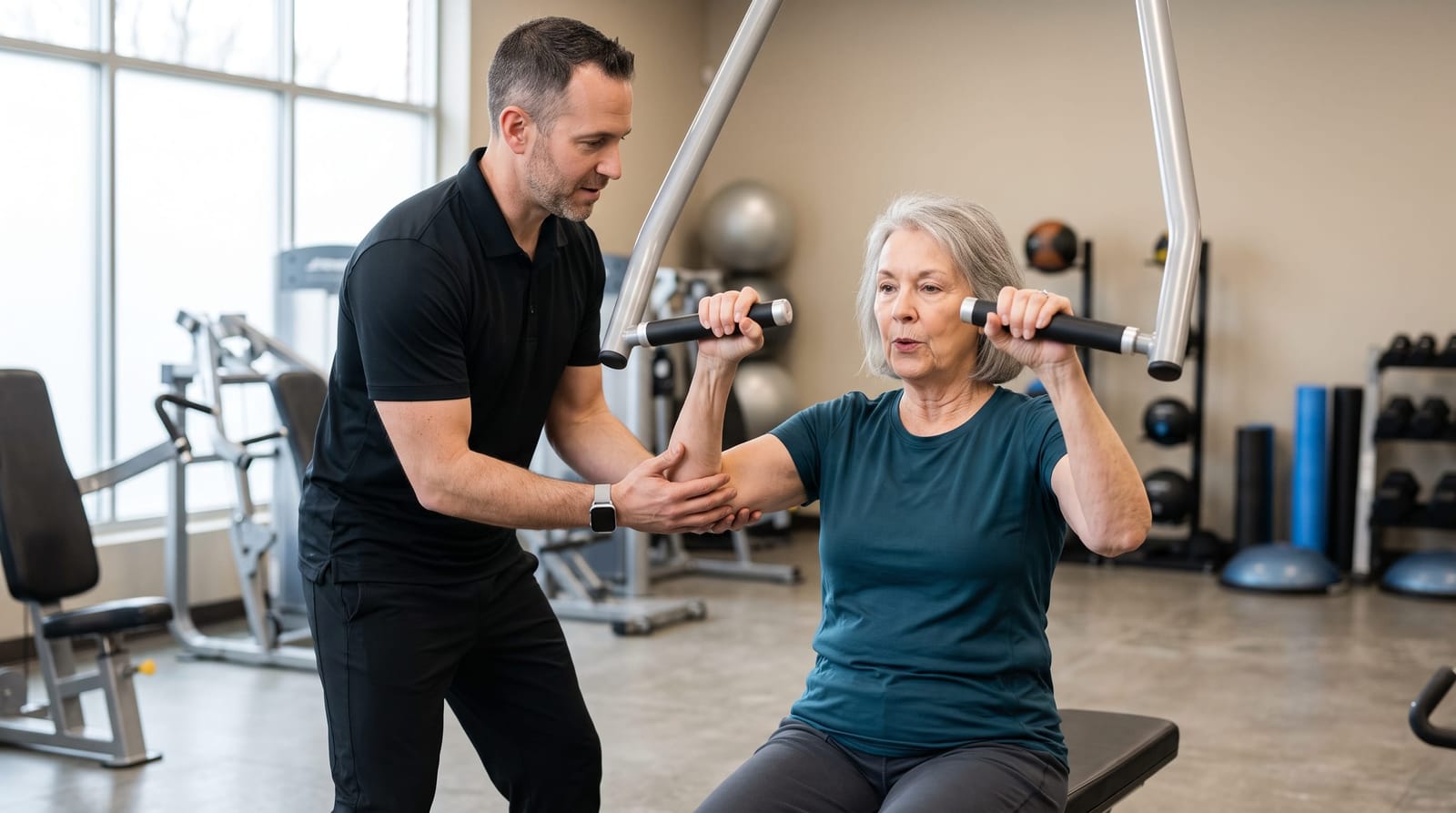
A one-on-one personal training environment allows a coach to assess where you are today, set realistic benchmarks, and adjust your program as your body adapts. That level of personalization matters because your body is always changing. What challenges you in week one should feel manageable by week eight, and your program should evolve accordingly.
This is especially relevant for adults navigating the natural changes that come with age. As the article on body transformation after 50 Colorado Springs explains, the hormonal and metabolic shifts that occur over time make preserving lean muscle not just a fitness goal but a long-term wellness priority.
Total Body Works offers private, one-on-one personal training sessions in Colorado Springs designed around exactly this kind of customized, data-informed approach. Progress is tracked, programs are adjusted, and the focus stays on what's actually working, not just what the scale says.
Related Topics Worth Exploring
If you're diving deeper into body composition, a few specific topics are worth understanding in more detail:
- The difference between visceral fat and subcutaneous fat, and why not all fat responds to training the same way, is explored in the post on visceral fat loss exercise program Colorado Springs.
- How nutrition choices support or undermine your body composition goals (coming soon in this series).
- Why progressive overload, gradually increasing training demands, is the key driver of long-term muscle development (coming soon).
Conclusion: Measure What Actually Matters
The scale is a tool, not the truth. Real transformation shows up in how you move, how strong you feel, how your clothes fit, and how confidently you handle your daily life. Body composition training in Colorado Springs, guided by an experienced personal trainer, gives you a more complete and honest picture of progress. It shifts the focus from a single number to a whole-person view of health and strength.
If you're ready to start tracking what actually matters, Total Body Works is here to help you build a personalized program designed around your goals, not someone else's generic plan. Reach out today to schedule your first session and find out what a structured, results-focused approach to body composition training can do for you.