Can Massage Therapy Help with Arthritis Pain? What Colorado Springs Adults Over 60 Should Know
If you're living with arthritis pain and wondering whether massage therapy could offer some relief, you're asking exactly the right question. For adults over 60 in the Colorado Springs area, this is one of the most common concerns we hear, and it deserves a clear, honest answer. Massage therapy is often associated with relaxation and athletic recovery, but its potential role in supporting joint health and mobility for aging adults is just as significant. Here's what you need to know before booking your first session.
Understanding Arthritis and Why Movement Matters
Arthritis affects more than 58 million adults in the United States, according to the Centers for Disease Control and Prevention, and adults over 60 represent the largest segment of that population. The two most common forms are osteoarthritis (OA), which involves the gradual breakdown of joint cartilage, and rheumatoid arthritis (RA), an autoimmune condition that causes inflammation in the joint lining.
Both conditions can make everyday movement feel difficult. Stiffness in the morning, aching joints after physical activity, and reduced range of motion are all familiar challenges. What research continues to reinforce, however, is that gentle, consistent movement, rather than rest alone, tends to support better joint function over time.
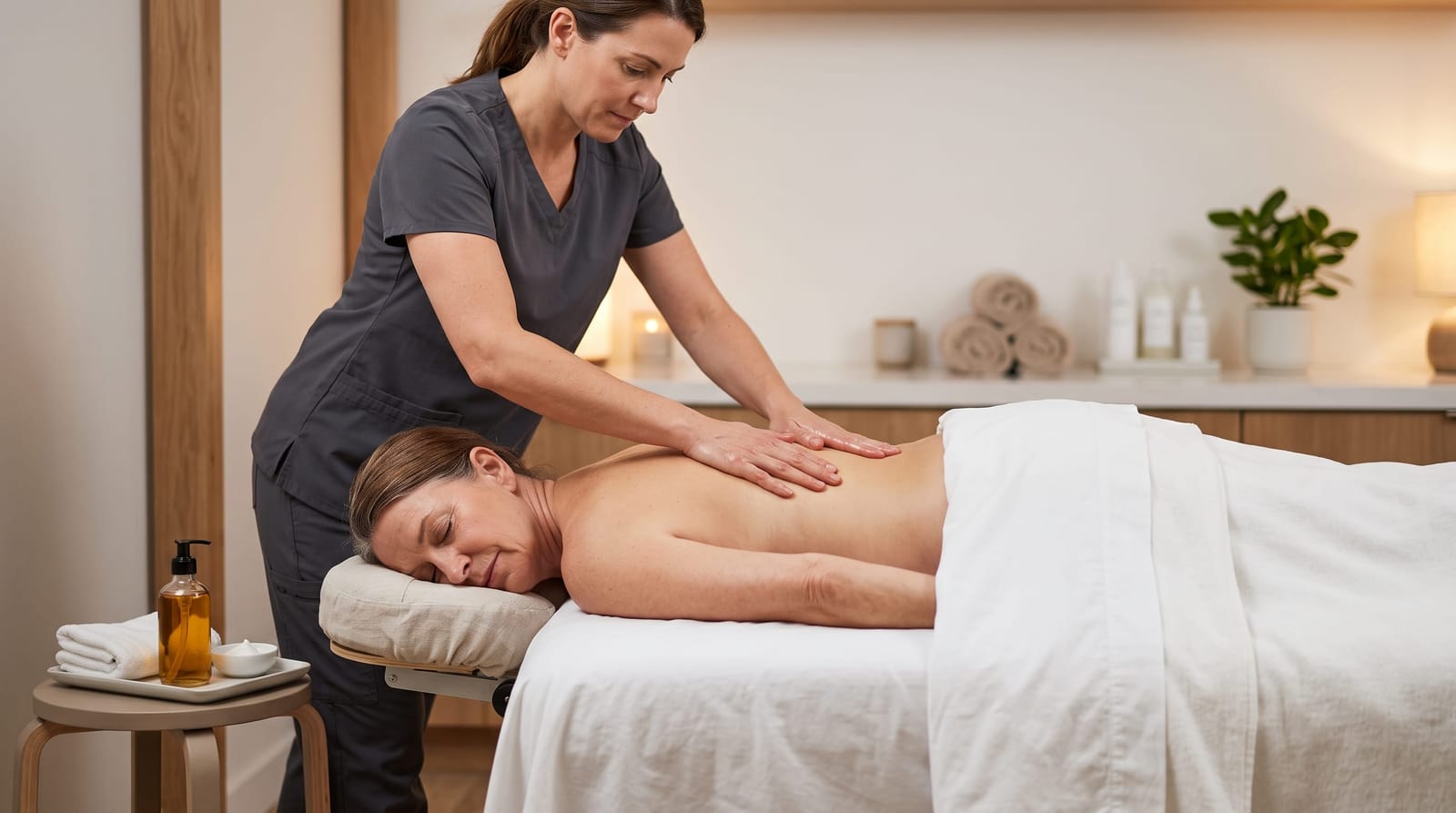
That's where massage therapy enters the picture. When soft tissue around a joint is tight, restricted, or chronically tense, it adds mechanical pressure to an already stressed area. Therapeutic massage that targets the surrounding musculature, rather than the joint itself, can support better circulation, reduce muscular guarding, and help the body move more freely. For adults exploring massage therapy for arthritis pain in Colorado Springs, understanding this distinction is important: massage works on the soft tissue, not the cartilage.
What the Research Suggests About Massage and Arthritis
The evidence base for massage and arthritis has grown meaningfully over the past two decades. A study published in the Journal of General Internal Medicine found that participants with knee osteoarthritis who received regular Swedish massage over an 8-week period reported meaningful reductions in pain and stiffness, along with improved physical function compared to a control group. That's not a minor finding: it suggests that hands-on therapeutic work can be a valuable part of a broader arthritis management approach.
For rheumatoid arthritis, the picture requires more nuance. Massage can be supportive during periods of low disease activity, but it is generally not recommended directly over inflamed joints during a flare. A skilled therapist will work around actively inflamed areas, focusing instead on relieving muscle tension in adjacent regions to reduce overall strain on the joint. This is why working with a qualified, experienced massage therapist, rather than a generalist spa environment, makes a meaningful difference for adults managing RA.
It's also worth noting that a 2020 survey by the American Massage Therapy Association found that 43% of adults who received massage in the previous year cited pain management as their primary reason. Among older adults, that number climbs even higher.
Key Considerations and Contraindications for Adults Over 60
Massage therapy is broadly considered safe for most adults with arthritis, but there are important considerations that apply specifically to older adults and those with certain health histories. This is educational context: always consult your physician or healthcare provider before beginning any new therapeutic regimen.
- Active joint inflammation: Direct pressure over acutely inflamed joints is generally avoided. A qualified therapist will adjust technique and focus areas accordingly.
- Osteoporosis: Adults with low bone density may need lighter pressure techniques to ensure comfort and safety. Be sure to communicate any osteoporosis diagnosis to your therapist before your session.
- Blood thinners or circulatory conditions: Certain medications and vascular conditions require therapist awareness and possible technique modification.
- Skin fragility: Aging skin can be more sensitive to friction or sustained pressure, which experienced therapists account for by adjusting stroke technique.
- Recent surgery or joint replacement: Post-surgical massage requires clearance from your surgeon and a therapist experienced in working with post-operative clients.
The key takeaway: transparency matters. The more your therapist understands about your health history, the better they can tailor the session to support your goals safely.
What a Therapeutic Massage Session Might Look Like for an Arthritis Sufferer
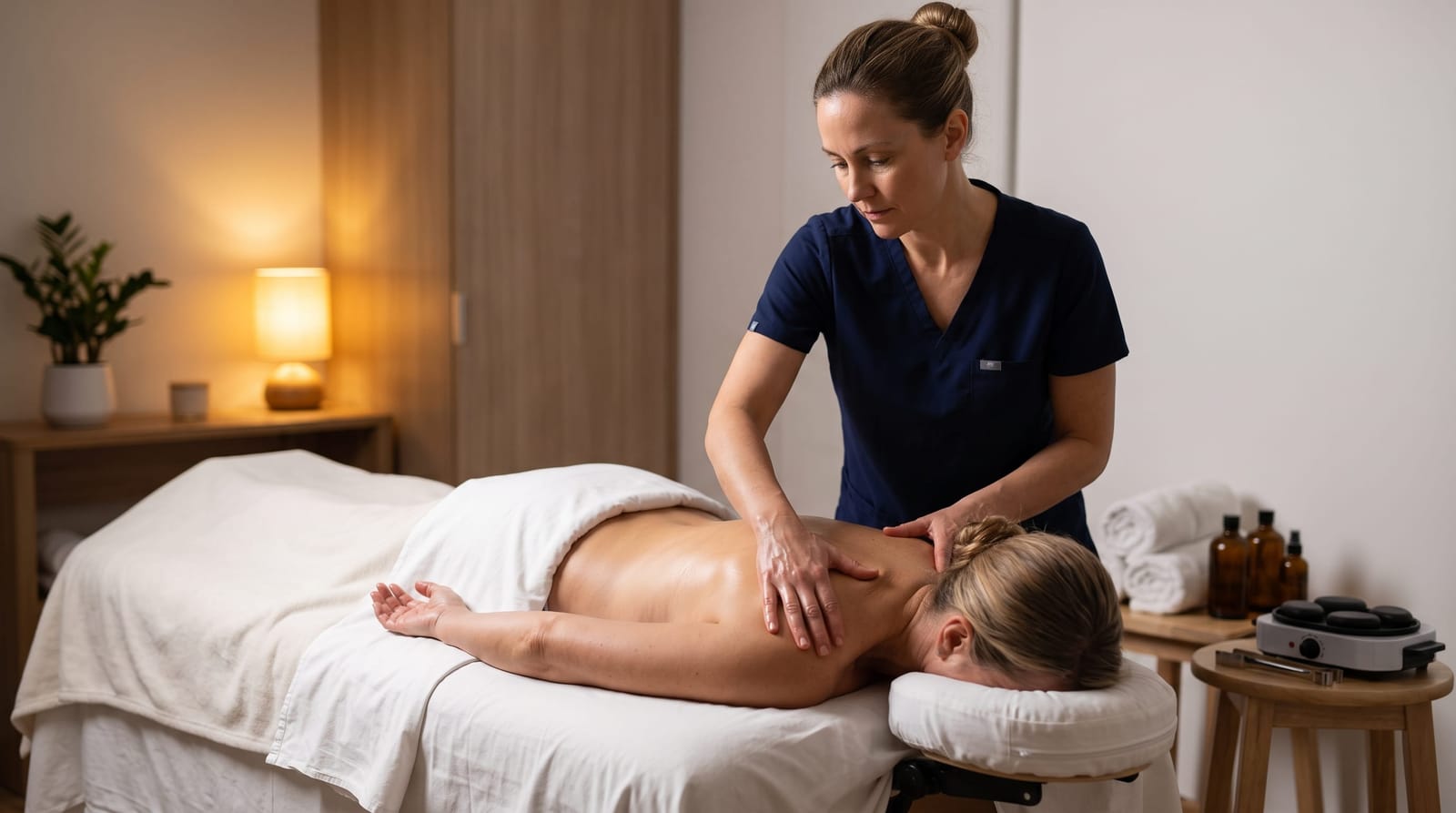
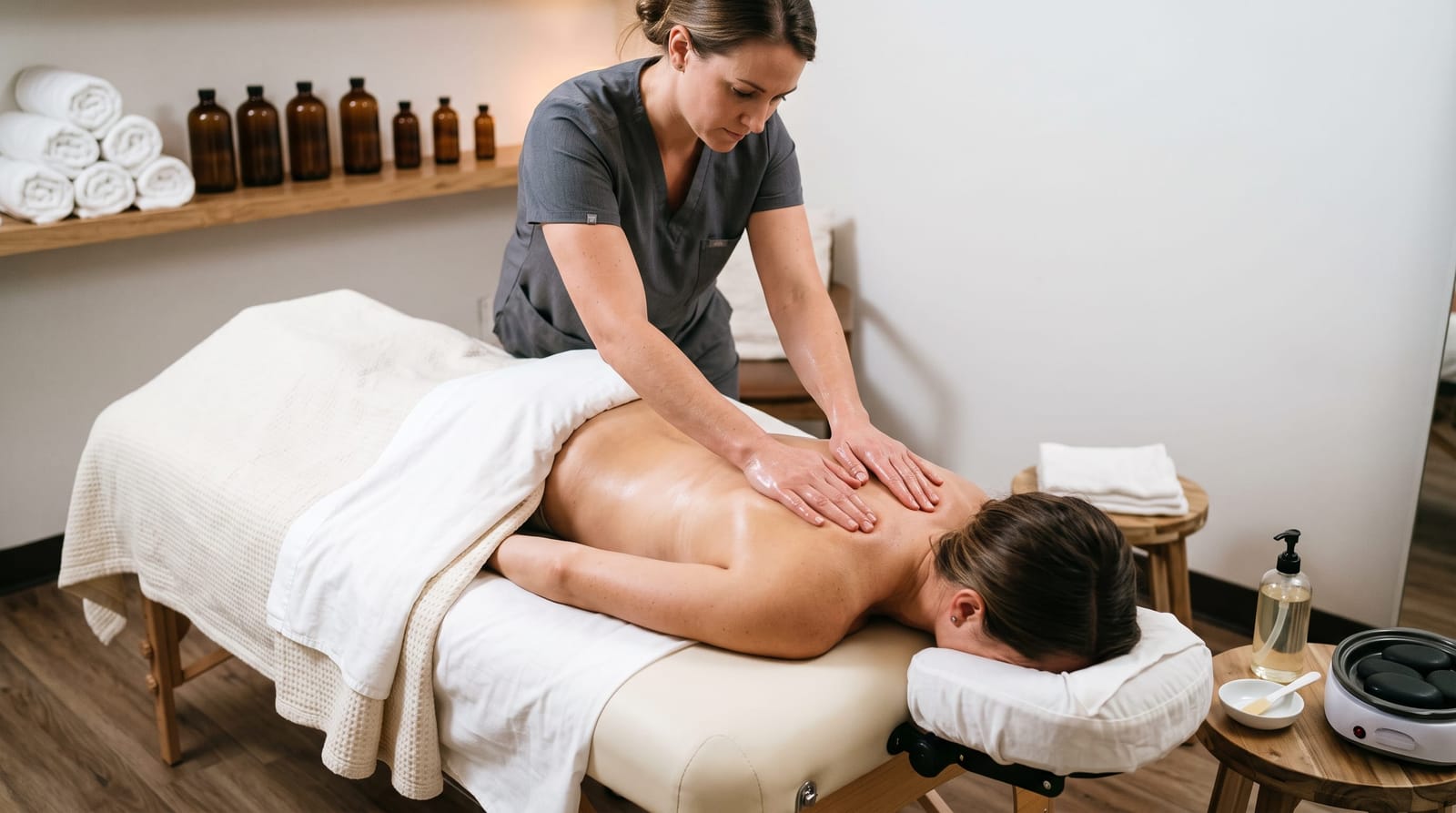
At Total Body Works in Colorado Springs, therapeutic massage for adults with arthritis is not a one-size-fits-all experience. Sessions are informed by your specific concerns, health history, and goals, whether that's reducing hip stiffness before your morning walk, managing shoulder tension from reduced range of motion, or simply feeling more comfortable in your body day-to-day.
Techniques commonly used in this context include:
- Swedish massage: Long, flowing strokes that support circulation and promote muscular relaxation without deep pressure on sensitive areas.
- Myofascial release: Gentle, sustained holds that address fascial restriction around joints: particularly useful for hip and shoulder stiffness.
- Gentle range-of-motion work: Passive movement of limbs to assess and gently encourage mobility without loading the joint.
- Trigger point therapy: Targeted pressure on specific points in the muscle belly that are contributing to referred pain or localized tension.
Sessions for older adults with arthritis typically run 60 to 90 minutes and may be scheduled weekly or bi-weekly depending on your activity level and goals. If you're also engaged in a regular movement program, which is highly recommended for arthritis management, you might find parallels in how athletes think about recovery frequency. The same principles that guide how often active adults schedule massage for physical training apply here: consistency matters more than intensity.
Massage as Part of a Broader Movement and Wellness Approach
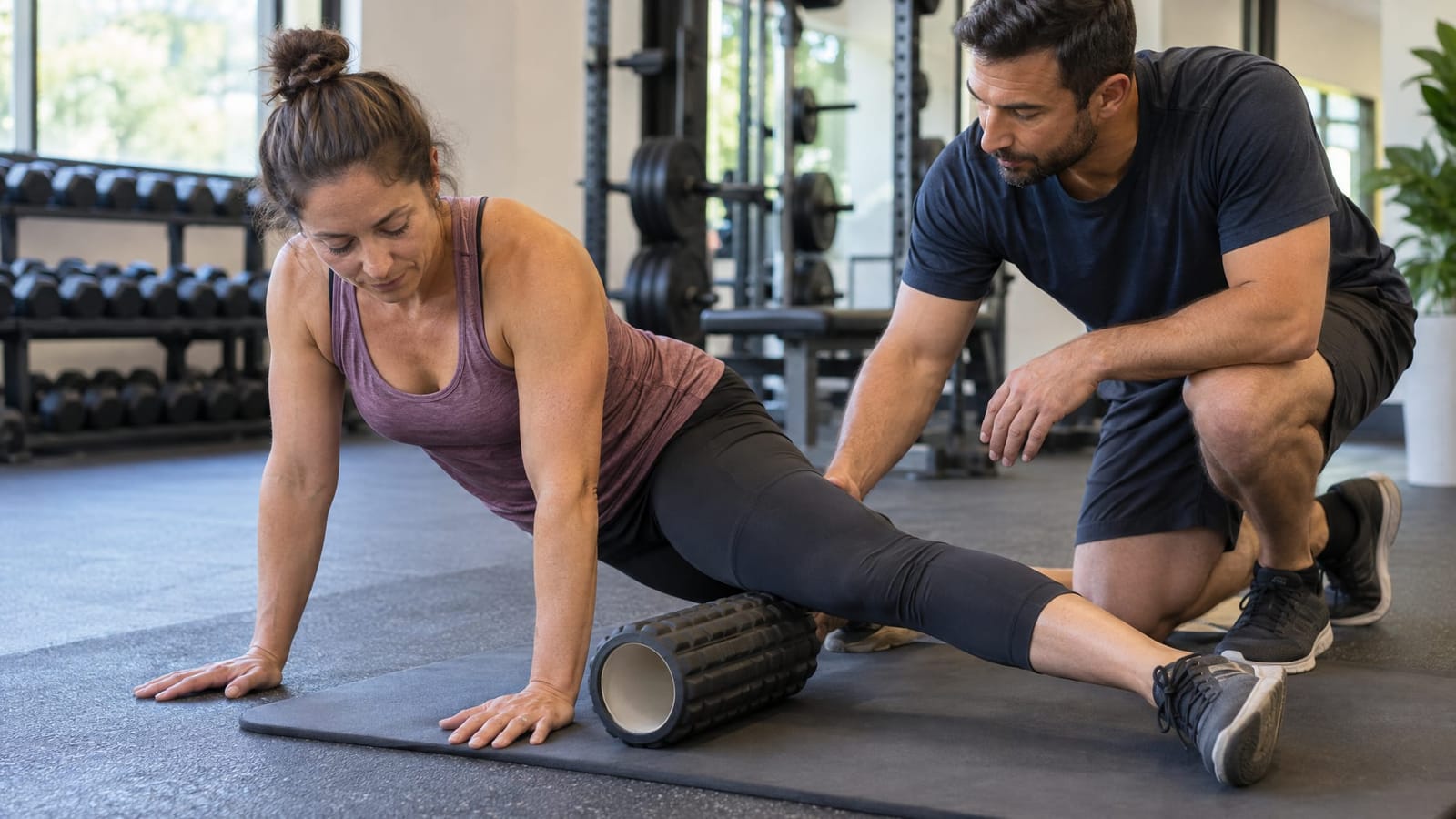
One of the most important things to understand about massage therapy for arthritis is that it works best as one tool in a broader toolkit, not a standalone solution. Adults over 60 who combine regular therapeutic massage with appropriate low-impact movement (think walking, swimming, cycling, or gentle resistance training) tend to experience compounding benefits: reduced muscular tension makes movement more comfortable, which makes it easier to stay active, which in turn supports joint health.
For those who are already training regularly, it's worth exploring how massage fits into your overall recovery routine. Understanding how your body responds to therapeutic work as you age, and how recovery timelines shift after 50 and beyond, can help you time sessions more effectively and get more out of each one.
This is especially relevant for adults in the Monument and Colorado Springs area who may be navigating arthritis alongside an active lifestyle: hiking, cycling, pickleball, or recreational sports. You don't have to choose between staying active and managing pain. In many cases, thoughtful therapeutic support helps you do both more sustainably.
Frequently Asked Questions
Is massage therapy safe if I have both osteoarthritis and rheumatoid arthritis?
Many adults manage both conditions simultaneously, and massage can still be beneficial with appropriate modifications. The key is working with a therapist who is experienced with both conditions and who communicates with you throughout the session. Always inform your therapist of your current disease activity level and any recent flares, and consult your physician for personalized guidance.
How soon might I notice a difference after starting massage therapy for arthritis pain?
This varies significantly from person to person. Some adults report feeling less stiff or more mobile after their first or second session. For others, noticeable changes accumulate over 4 to 6 sessions. Consistency is more predictive of outcomes than any single session. Think of it like a movement practice: regular engagement produces meaningful results over time.
Can massage therapy replace my current arthritis medications or treatments?
No, and this is an important distinction. Massage therapy is a complementary approach that can support your overall wellbeing alongside medical treatment, not in place of it. Always work with your healthcare provider to determine how therapeutic massage fits into your overall care plan.
What should I tell my massage therapist before my first session?
Share your arthritis diagnosis (OA, RA, or both), which joints are most affected, any recent flares or inflammation, current medications (especially blood thinners), any other health conditions like osteoporosis or cardiovascular concerns, and your specific goals for the session. The more context your therapist has, the more effectively they can support you.
Final Thoughts
For adults over 60 in the Colorado Springs and Monument area navigating arthritis, massage therapy offers a genuine, evidence-informed option for supporting mobility, reducing muscular tension, and staying more comfortable in an active life. It's not a cure, and it works best alongside movement, good sleep, and appropriate medical care, but for many people, it becomes an important part of how they manage day-to-day. If you're curious whether massage therapy could support your specific situation, the team at Total Body Works in Colorado Springs is here to have that conversation with you.