Active Aging Fitness in Colorado Springs: The Complete Guide to Staying Strong, Mobile, and Independent After 50
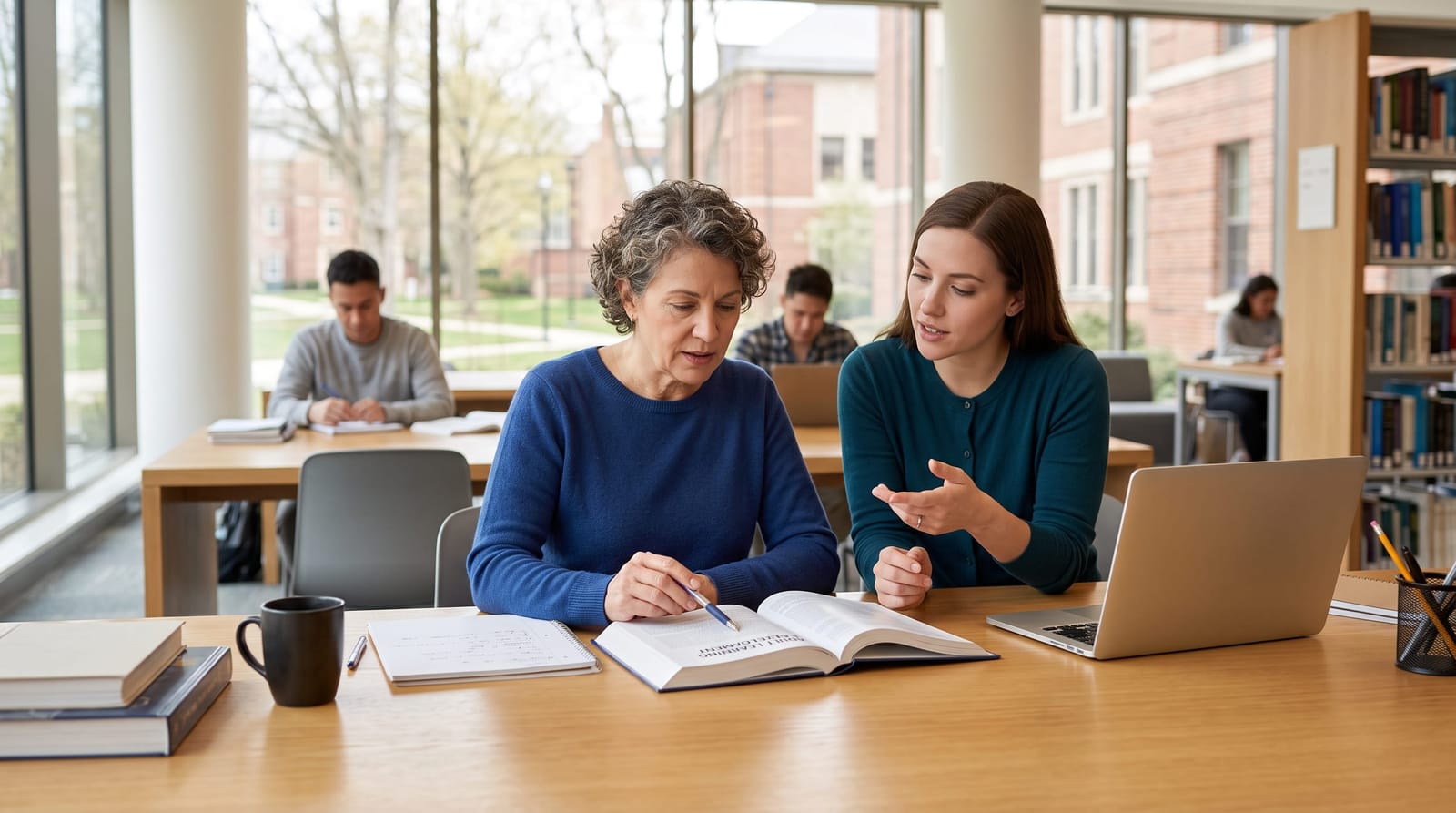
Here is a question worth sitting with for a moment: what does your life look like at 65, 70, or 75? Not in terms of retirement accounts or travel plans, but physically. Can you carry your own groceries? Play with your grandchildren on the floor and get back up without help? Hike one of the trails surrounding Colorado Springs without your knees aching for the next three days?
For many adults over 50, these aren't hypothetical concerns. They're real, daily worries, and they're entirely addressable with the right approach to fitness. The challenge is that most mainstream fitness programs were not designed with mature adults in mind. Generic gym memberships, high-intensity boot camps, and youth-focused training plans can leave adults over 50 feeling out of place, overwhelmed, or worse, injured.
Active aging personal training in Colorado Springs offers a different path: one built specifically around the physiology, goals, and lifestyles of adults in their 50s, 60s, and 70s. This guide covers everything you need to understand about aging and fitness: what actually happens to your body after 50, why inactivity accelerates those changes, what a structured active aging program looks like, and how Total Body Works approaches this work with its clients in Monument and the greater Colorado Springs area.
Whether you are just beginning to think about structured fitness or you are already active and want to train smarter, this guide is designed to help you make informed, confident decisions about your health and long-term independence.
What Happens to Your Body After 50 (And Why It Matters for Fitness)
Understanding how your body changes as you age is not about accepting decline: it is about working intelligently with those changes rather than against them. The physiology of aging is well-documented, and the science consistently points to one conclusion: structured physical activity is one of the most powerful tools for slowing age-related decline.
Sarcopenia: The Muscle Loss You May Not Notice Until It's Significant
Beginning around age 30, adults begin to lose muscle mass gradually. By the time most people reach their 50s, this process, called sarcopenia, accelerates meaningfully. Research published in the Journal of Cachexia, Sarcopenia and Muscle suggests that adults can lose between 3% and 8% of their muscle mass per decade after 30, with that rate increasing after 60. In practical terms, this shows up as reduced strength, slower walking pace, and difficulty with everyday tasks that once felt effortless.
The encouraging news: resistance training consistently demonstrates the ability to slow, halt, and even partially reverse sarcopenia. Muscle is highly responsive tissue at any age, and adults who engage in progressive strength work can build meaningful muscle well into their 70s and beyond.
Bone Density Changes and Joint Health
After 50, bone density naturally decreases: a process that accelerates in women following menopause. Joints also experience changes in cartilage thickness and synovial fluid, which can contribute to stiffness and discomfort. This is not inevitable deterioration so much as it is a signal that your body needs load-bearing movement to stay healthy. Weight-bearing and resistance exercises support bone density and joint function in ways that sedentary activity simply cannot replicate.
Balance, Coordination, and Neurological Changes
The sensory systems that govern balance, vision, inner ear, and proprioception (your body's awareness of its own position in space), all become less precise with age. Reaction times slow slightly, and the neural pathways that coordinate movement become less efficient without consistent training. This is why balance and coordination work is not optional in a well-designed active aging program; it is foundational.
Cardiovascular Changes
Maximum heart rate and cardiovascular capacity also shift with age. This does not mean that cardiovascular fitness is out of reach: far from it. It does mean that training intensity and recovery windows need to be calibrated thoughtfully, with attention to how your body responds rather than simply pushing harder.
The Real Cost of Inactivity After 50
It might seem reasonable to slow down as you age, to protect your joints, conserve energy, or simply take life at a more relaxed pace. But the research on physical inactivity among older adults tells a sobering story. Inactivity does not protect aging bodies; in many ways, it accelerates the very changes people are hoping to avoid.
The World Health Organization identifies physical inactivity as one of the leading risk factors for reduced functional capacity in older adults. When muscles are not regularly challenged, they weaken faster. When joints are not moved through their full range of motion, mobility decreases. When the cardiovascular system is not stimulated, endurance and energy levels decline. And when balance and coordination systems are not practiced, the risk of falls increases, with falls being one of the leading causes of injury-related loss of independence among adults over 65.
Perhaps more relevant to the professionals, managers, and business owners who make up much of our client base in Colorado Springs: inactivity affects cognitive sharpness, stress management, sleep quality, and energy levels. Many of our clients are not primarily motivated by aesthetics. They want to remain effective, engaged, and vital in every area of their lives, and their physical health is foundational to that.
The good news is that it is never too late to reverse inactivity's effects. Adults who begin structured fitness programs in their 50s, 60s, or even 70s consistently demonstrate meaningful improvements in strength, balance, mobility, and overall function. The key is starting with a program that is appropriate, safe, and progressive, not one designed for a 25-year-old athlete.
What Active Aging Personal Training Actually Means
The term "active aging" is sometimes used loosely, but in a professional fitness context, it refers to a specific philosophy and approach to working with adults typically over 50. Active aging personal training in Colorado Springs, done well, is not simply "lighter" or "easier" training. It is smarter, more intentional training: built around the specific physiological needs, movement patterns, and goals of mature adults.
Starting with a Movement Assessment
A quality active aging program does not begin with a workout. It begins with a movement screening: a structured evaluation of how you move, where you have limitations, where you have strengths, and what your body needs most. At Total Body Works, this assessment looks at mobility, stability, strength, balance, and any movement compensations you may have developed over years of work, sport, or prior injury.
This step matters enormously. Two 60-year-old clients can have dramatically different movement profiles. One may need to prioritize hip mobility and core stability; another may need to address upper body pulling strength and ankle proprioception. A program that ignores these differences and applies a cookie-cutter approach is not just less effective: it can cause harm.
Progressive Programming for Mature Adults
Once a movement baseline is established, effective active aging training follows a principle of progressive overload, but applied thoughtfully. This means starting at an appropriate challenge level for where you are now, then systematically increasing demands as your body adapts and grows stronger. The progression is not rushed, and rest and recovery are treated as essential parts of the program, not as optional extras.
For adults over 50, programming also considers:
- Longer recovery windows between high-effort sessions
- Emphasis on compound, functional movements rather than isolated machine work
- Joint-friendly exercise selection that respects existing wear and tear
- Integration of balance, coordination, and mobility work alongside strength training
- Attention to how lifestyle factors, sleep, stress, daily activity, interact with training
Private Training vs. Group Fitness: Why It Matters After 50
Group fitness classes serve an important role, but they have real limitations for mature adults with individualized needs. In a group setting, an instructor cannot monitor your form closely, adjust exercises in real time based on how your knees are responding today, or modify the program when you mention that your shoulder has been bothering you this week. Private personal training provides the individualized attention that adults over 50 genuinely benefit from: particularly in the early stages of building a fitness foundation or returning to activity after a period of inactivity.
The Four Pillars of Active Aging Fitness
Effective active aging programs address four interconnected areas of physical function. Ignoring any one of them creates gaps that can limit your independence and increase injury risk over time.
1. Strength
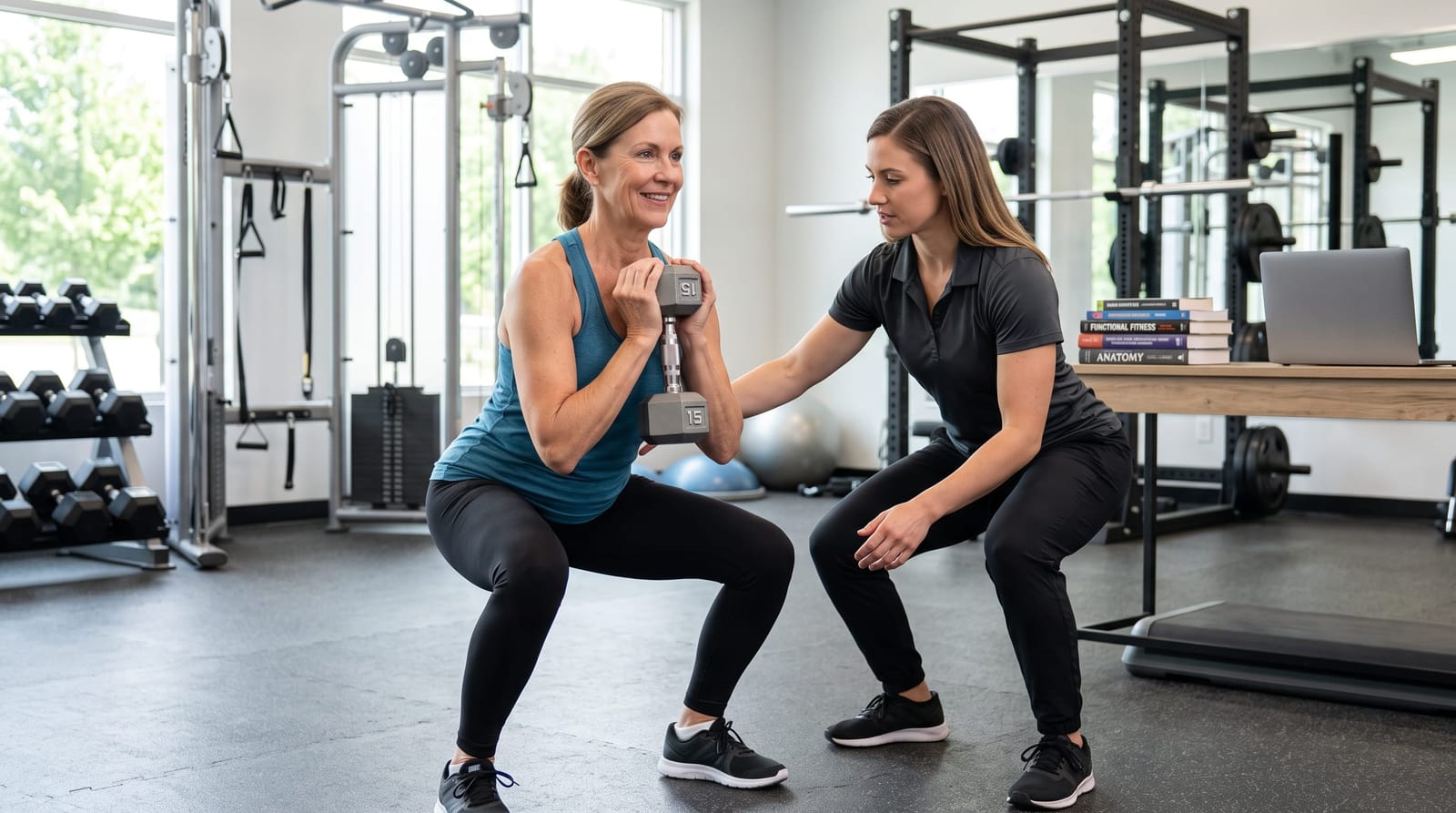
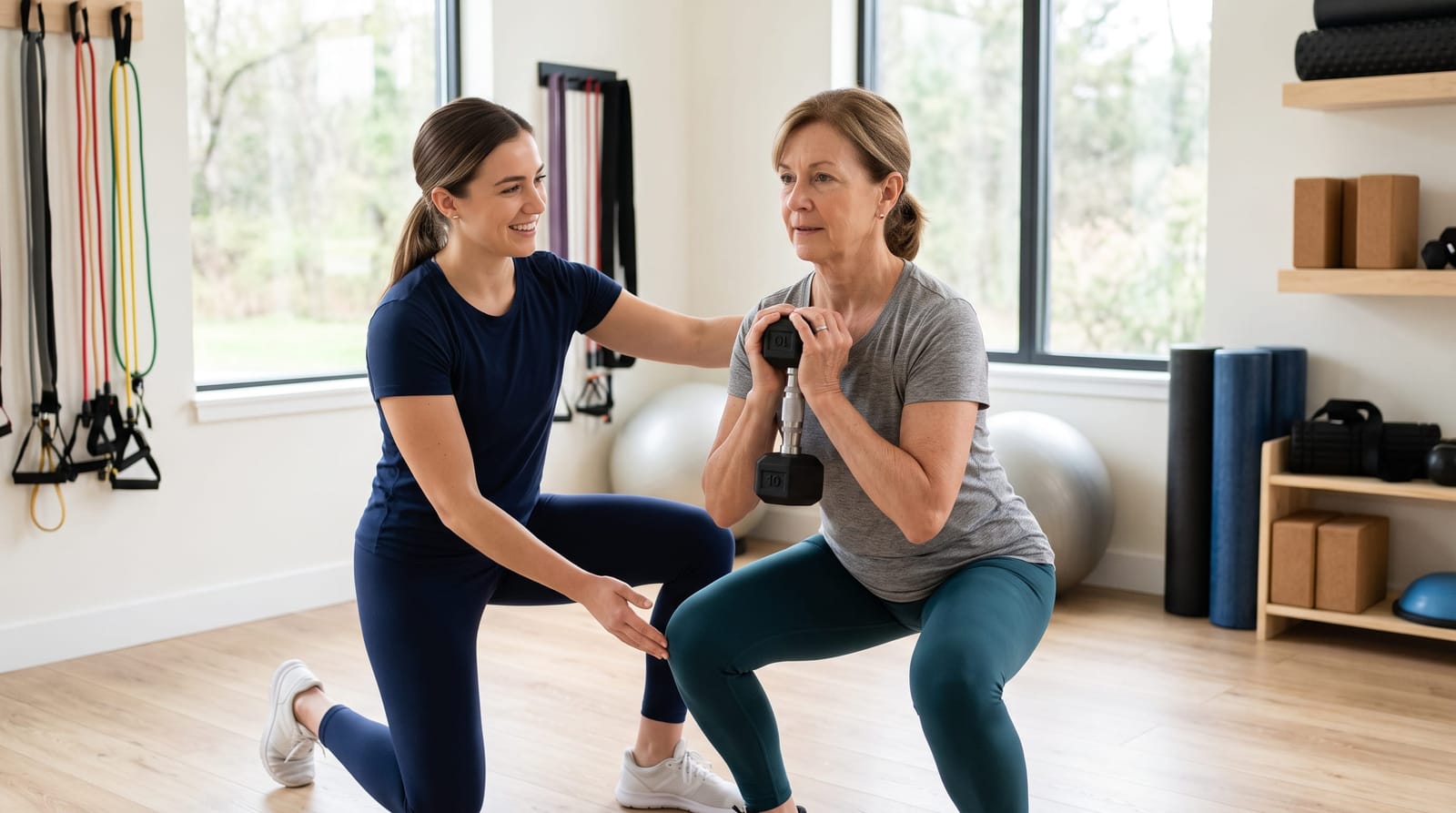
Muscular strength underpins nearly every physical task of daily life: carrying groceries, climbing stairs, getting up from a chair, lifting a suitcase into an overhead bin. Strength training for adults over 50 focuses on functional, compound movements: squats, hinges, pushes, pulls, carries, and rotational patterns. These are the movements your body actually uses in real life, and training them directly translates to real-world capability.
2. Mobility and Flexibility
Mobility refers to the ability to move your joints through their full intended range of motion with control. As we age, mobility tends to decrease: partly from structural changes in connective tissue, and partly from years of repetitive postures and movement patterns (think: desk work, driving, or one-sided sport). A comprehensive active aging program consistently works to restore and maintain mobility, not just as a warm-up, but as a training priority in its own right.
3. Balance and Stability
Balance training is not just about standing on one foot. It encompasses the entire system by which your body controls its position in space: during walking, on uneven terrain, when reaching overhead, or when reacting to an unexpected surface change. Progressive balance work trains the neuromuscular connections that keep you safe and coordinated, and these connections respond well to consistent training at any age.
4. Cardiovascular Endurance
Cardiovascular fitness supports energy, heart health, and the ability to sustain physical effort without excessive fatigue. For active aging clients, cardiovascular work is typically integrated in ways that support, rather than undermine, strength and recovery. Low-impact formats, moderate-intensity intervals, and activity-based cardio (like walking programs) are often preferable to high-impact or high-intensity approaches that carry greater injury risk.
Advanced Recovery Tools That Support Active Aging
One of the realities of training over 50 is that recovery takes longer than it did at 25 or 35. This is not a limitation to be frustrated by: it is biological information to be respected and planned around. At Total Body Works, recovery is treated as a training variable, not an afterthought. Several advanced modalities support the active aging clients we work with.
ARPWave Therapy
ARPWave is a bioelectrical technology that helps identify and address the neurological origin of movement compensation and muscle dysfunction. For active aging clients dealing with chronic tightness, recurring joint discomfort, or movement patterns developed around old injuries, ARPWave can help retrain the neuromuscular system to move more efficiently and with less compensatory strain. It is not a passive treatment: it is integrated into active movement, which makes it particularly relevant in a training context.
Hyperbaric Oxygen Therapy (HBOT)
Hyperbaric Oxygen Therapy involves breathing concentrated oxygen in a pressurized chamber, which supports the body's natural cellular recovery processes. For adults engaged in progressive training, HBOT can support faster tissue recovery between sessions, helping clients feel better prepared for their next workout and reducing the fatigue that can accumulate over weeks of consistent training. It is one of several ways Total Body Works approaches recovery as a serious component of long-term fitness, not a luxury add-on.
Integrated Recovery Planning
Beyond specific modalities, recovery planning for active aging clients includes thoughtful programming of rest days, attention to sleep quality as a training factor, and ongoing conversation about how clients feel day to day. An experienced active aging trainer does not follow a rigid script: they listen, adjust, and respond to what your body is communicating throughout the process.
The Colorado Springs Landscape for Active Aging Fitness
Colorado Springs has a growing number of fitness options for older adults, which reflects genuine demand in the community. Life Time Fitness offers its ARORA programming specifically for active older adults, including classes, personal training, and Pilates tailored to this demographic. Independent trainers like Kristen Nielsen provide in-home personal training focused on strength and balance for older adults. UCCS's Center for Active Living also offers wellness programs and fitness coaching oriented toward senior wellbeing.
These programs represent real value for the Colorado Springs community, and different adults will find different settings resonate with them. Some clients do well in group environments with social interaction and scheduled classes. Others need the individualized attention and flexibility of private training: particularly those managing movement limitations, returning from injury, or seeking a higher level of programming sophistication.
Total Body Works serves adults in Monument and Colorado Springs who want a deeply personalized approach: one that integrates movement screening, progressive programming, advanced recovery tools, and consistent coaching accountability. Our clients tend to be busy professionals who want to invest their limited training time wisely and work with someone who understands their specific needs at this stage of life.
Active aging personal training in Colorado Springs is not one-size-fits-all, and finding the right fit matters. The most effective program is one you will actually commit to, and one that is built around you.
What to Look for in an Active Aging Personal Trainer
If you are considering working with a personal trainer as part of your active aging strategy, here are the qualities and practices that distinguish an excellent fit from an average one:
- Relevant experience with adults over 50: General fitness certifications are a starting point, but look for trainers who have specific experience working with mature adults and understand age-related changes in physiology, movement, and recovery.
- A thorough initial assessment: A trainer who starts programming on day one without evaluating how you move is skipping a critical step. Assessment should come first.
- Clear communication and listening: Your trainer should ask questions, listen carefully to your goals and concerns, and adjust based on your feedback, not just deliver a script.
- Emphasis on technique over load: Especially in the early stages, quality of movement matters more than how much weight is on the bar. A good trainer prioritizes movement quality above all else.
- A collaborative, non-intimidating environment: You should feel supported and capable in every session, not pressured or embarrassed. Fitness should feel like a partnership.
- Thoughtful progression: A well-designed program gets gradually more challenging over time, with appropriate recovery built in. Beware of trainers who push too hard too fast.
Deep Dive Topics: Explore the Full Active Aging Guide
This pillar page provides a comprehensive overview of active aging fitness for adults over 50 in Colorado Springs and the surrounding area. Each of the following topics expands on a specific aspect of this work in greater depth. Together, they form a complete resource for anyone looking to train smarter, age actively, and maintain independence for the long term.
Private Personal Training vs. Group Classes for Mature Adults
Not all fitness environments are created equal, and the differences matter more as you age. This post explores why individualized attention, customized programming, and one-on-one coaching provide specific advantages for adults over 50, and when group classes can complement that work. Learn more about personal training for seniors Colorado Springs and how a private training model supports healthy aging differently than group fitness.
Functional Fitness: Training for Real Life After 50
The best fitness program for an adult over 50 is one that directly improves how you live, not just how you perform in the gym. This post breaks down what functional fitness actually means, which movement patterns matter most for daily independence, and how functional training differs from traditional gym programming. Explore what functional fitness over 50 Colorado Springs looks like in practice and why it should be the foundation of any active aging program.
Strength Training After 50: Why It's the Most Important Investment You Can Make
Of all the components of an active aging fitness program, strength training may be the most critical, and the most misunderstood. This post addresses common concerns about strength training after 50, explains the science of why muscle matters so much as we age, and outlines what a safe, effective strength program looks like for mature adults. Discover why strength training after 50 Colorado Springs professionals and active adults are making it the centerpiece of their fitness routines.
Balance, Stability, and Fall Prevention for Active Adults
Falls are one of the most significant threats to independence among adults over 65, but they are far from inevitable. This post examines the physiological reasons balance declines with age, what effective balance and stability training actually involves, and how a progressive approach to this work can dramatically improve your confidence and coordination. Learn how balance training fall prevention Colorado Springs programs address this critical aspect of healthy aging.
Nutrition, Recovery, and Lifestyle Habits That Amplify Your Fitness Results
Training is only one part of the active aging equation. What you eat, how you sleep, how you manage stress, and how you recover between sessions all shape how well your body responds to exercise, and how you feel day to day. This post explores the lifestyle factors that support and amplify an active aging fitness program. Understand how healthy aging fitness and nutrition Colorado Springs work together to support long-term strength, energy, and independence.
Conclusion: Your Next Chapter Starts with Movement
There is a version of your 60s, 70s, and beyond that looks like the life you want: strong, capable, mobile, and independent. That version does not happen by accident, but it also does not require extraordinary effort. It requires consistent, intelligent, age-appropriate training: guided by someone who understands your body and your goals.
Active aging personal training in Colorado Springs is not about chasing youth or performing at elite athletic levels. It is about investing in the physical foundation that everything else in your life rests on. It is about staying in the game, whatever your game is, for as long as possible.
At Total Body Works in Colorado Springs, we work with adults over 50 who take their health seriously and want a training partner who does the same. Our approach starts with understanding where you are, builds progressively toward where you want to go, and integrates recovery and lifestyle support to make the results last.
If you are ready to explore what a personalized active aging program could look like for you, we invite you to reach out and schedule an initial consultation. The best time to start investing in your long-term independence was years ago. The second-best time is now.