Visceral Fat vs. Subcutaneous Fat: What Body Transformation Actually Targets
When people talk about wanting to "lose weight," they're often describing something more specific than the number on a scale: they want to feel less heavy around the middle, move more freely, and feel genuinely healthier in their daily life. Understanding the difference between visceral fat and subcutaneous fat is one of the most useful pieces of knowledge in any body transformation journey. For professionals over 50 in Colorado Springs who sit at a desk most of the day, this distinction matters more than most fitness content ever explains. Let's break it down clearly.
What's the Difference Between Visceral and Subcutaneous Fat?
Not all body fat is the same, and knowing the difference changes how you approach your fitness goals.
Subcutaneous fat is the fat stored just beneath the skin. It's the kind you can pinch on your arms, thighs, or waist. While excess subcutaneous fat can affect how clothes fit and how you feel about your body, it's generally considered less urgent from a health standpoint. It tends to be more visible but less metabolically active.
Visceral fat, by contrast, is stored deep inside the abdominal cavity, surrounding your internal organs. You can't see it or pinch it. Visceral fat is highly metabolically active: meaning it behaves more like an organ than a storage depot, releasing compounds that influence how your body functions day to day. Research suggests that adults carrying excess visceral fat are at meaningfully higher risk for a range of chronic health conditions, and that even individuals with a "normal" weight can carry significant amounts of it.
Studies estimate that visceral fat accounts for roughly 10% of total body fat in most adults, but that percentage can rise considerably with age, chronic stress, and sedentary behavior, all common realities for working professionals. One way to get a rough picture: a waist circumference above 35 inches for women or 40 inches for men is often cited by health professionals as a general marker worth discussing with your doctor.
Why Desk Work and Aging Make Visceral Fat a Common Challenge
Here's something that surprises many people: visceral fat accumulation is strongly linked to inactivity, not just diet. Sitting for 8 or more hours a day, as many professionals do, is associated with higher visceral fat levels, independent of total calorie intake. Add in the hormonal shifts that naturally occur after age 40 (particularly changes in cortisol, testosterone, and estrogen levels), and the body's tendency to store fat centrally increases significantly.
Chronic stress compounds the issue. Elevated cortisol, a stress hormone the body produces in high-pressure work environments, has been directly linked to increased visceral fat storage. This is one reason highly successful, disciplined professionals sometimes struggle with abdominal fat even when they're eating reasonably well. It's not a willpower problem. It's a physiological response to the demands of modern professional life.
This is exactly why a thoughtful, structured visceral fat loss exercise program in Colorado Springs, designed around your lifestyle and not just your gym schedule, can make a meaningful difference. Addressing visceral fat requires more than casual walks or occasional cardio. It takes a deliberate, consistent approach.
Why Strength Training Is Particularly Effective for Visceral Fat
Research consistently points to resistance training as one of the most effective tools for reducing visceral fat, even more so than cardio alone in many cases. A landmark study published in Obesity found that men who performed 20 minutes of daily weight training over 12 years had a significantly smaller increase in abdominal fat compared to those who performed the same amount of aerobic exercise. The difference comes down to metabolism.
Strength training builds lean muscle tissue, and muscle is metabolically demanding: it burns more energy at rest than fat tissue does. Every pound of muscle added to your frame increases your resting metabolic rate, which means your body is working harder to manage fat stores even when you're not exercising. For someone in their 50s or 60s who has lost muscle mass gradually over the years (a process called sarcopenia that begins as early as age 30 and accelerates after 50), rebuilding that muscle is foundational to any effective body composition strategy.
High-intensity interval-style work, short bursts of effort followed by brief recovery, also stimulates significant visceral fat loss. Exercises like kettlebell swings, sprint intervals, and circuit-style resistance training create an "afterburn" effect, where the body continues burning calories at an elevated rate for hours after the session ends. This is called excess post-exercise oxygen consumption (EPOC), and it's a key reason structured training beats casual gym visits for body composition results.
How Total Body Works Approaches Body Composition: Not Just Weight Loss
One of the core differences in how Total Body Works structures its programming is the focus on body composition rather than weight loss as the primary goal. This is more than a semantic distinction: it changes everything about how training is designed.
A scale weight decrease doesn't tell you whether you've lost fat, muscle, or water. Body composition tracking, looking at the ratio of lean mass to fat mass, gives a far more meaningful picture of what's actually changing in your body. Someone can lose 10 pounds on a poorly designed program and end up with a worse body composition than when they started, having lost muscle rather than visceral fat. That's the opposite of the goal.
Total Body Works' private personal training model is built around:
- Progressive resistance training designed to build and preserve lean muscle while signaling the body to release stored visceral fat for fuel
- Structured intensity variation that includes both strength work and higher-output intervals: the combination most supported by research for visceral fat reduction
- Individual program design that accounts for your current fitness level, movement history, recovery capacity, and the realities of a busy professional schedule
- Consistency over intensity: shorter, well-designed sessions done regularly outperform infrequent high-effort workouts every time
- Progress tracking that goes beyond the scale, measuring strength, mobility, endurance, and how you feel in daily life
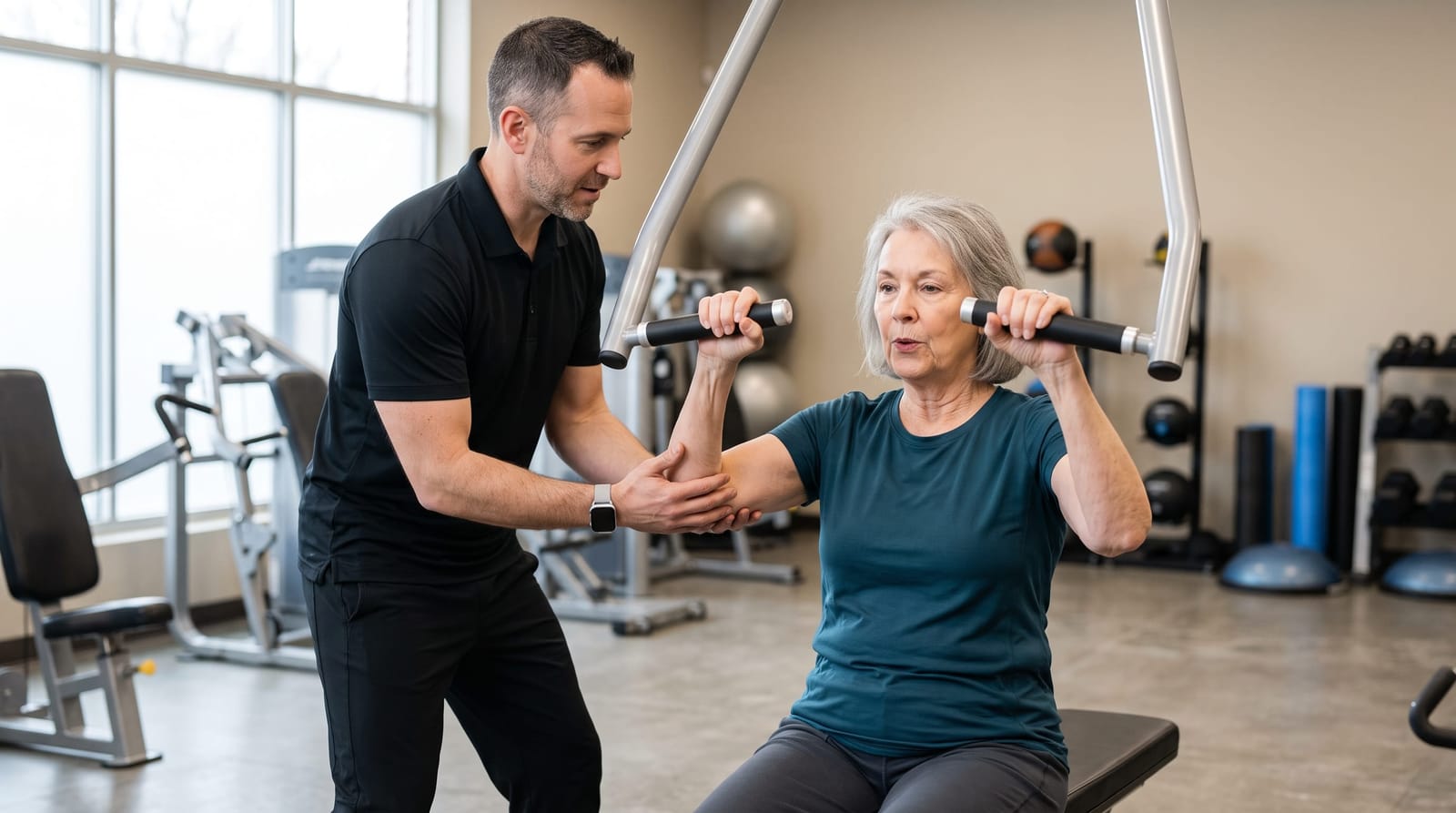
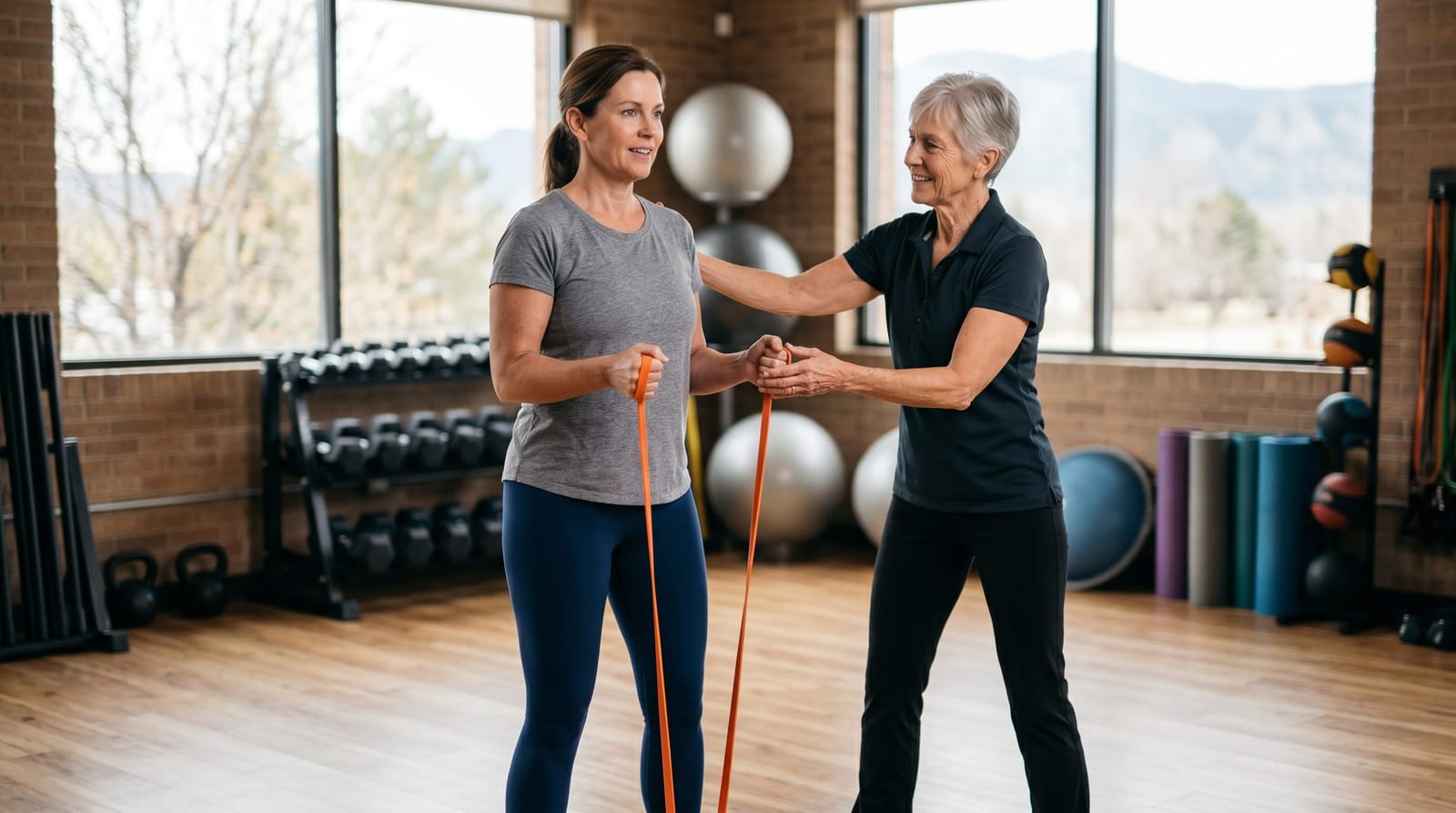
The private training environment also matters here. Working one-on-one with an experienced coach means every session is purposeful. There's no guesswork about whether you're doing the right exercises, using safe technique, or working at the right intensity for your goals. That guided structure is what moves the needle on visceral fat, not just showing up and moving around.
Frequently Asked Questions
How long does it take to see changes in visceral fat with a structured program?
While individual results vary widely and no specific outcome can be guaranteed, research suggests that consistent resistance and interval training, performed three or more times per week, can produce measurable changes in body composition within 8 to 12 weeks. Visceral fat tends to respond relatively quickly to structured exercise compared to subcutaneous fat, which is one reason people often notice improvements in how their clothes fit and how they feel before the scale shows dramatic changes.
Can I reduce visceral fat through diet alone, without exercise?
Nutrition plays an important role in overall body composition, but exercise, particularly strength training, has a unique effect on visceral fat that diet alone doesn't replicate. Building lean muscle mass raises your resting metabolic rate and improves insulin sensitivity, both of which directly influence how your body manages fat storage. A combined approach is consistently more effective than either element in isolation. Always consult with a qualified healthcare provider regarding any significant dietary changes.
Is visceral fat loss realistic for someone who hasn't exercised consistently in years?
Absolutely, and in many cases, people who are new or returning to structured exercise respond quite well, precisely because they're starting from a baseline where the body is highly adaptable to new training stimulus. A well-designed program that starts at an appropriate intensity and progresses gradually is both safe and effective. The key is working with a coach who builds your program around where you actually are, not where you think you should be.
What's the difference between a body transformation program and just going to a gym?
A structured body transformation program provides intentional programming, progressive overload, regular assessment, and expert coaching, all aimed at a specific goal. Going to a gym without a plan tends to produce inconsistent results because there's no systematic progression or accountability. For visceral fat reduction specifically, the type, sequence, and intensity of exercise matters significantly. A program removes the guesswork.
The Bigger Picture: Body Composition as a Long-Term Investment
Understanding the difference between visceral and subcutaneous fat reframes what body transformation actually means. It's not about a number on a scale or fitting a certain aesthetic ideal: it's about improving how your body functions from the inside out. For professionals in Colorado Springs navigating demanding careers, family responsibilities, and the natural changes that come with aging, a targeted visceral fat loss exercise program in Colorado Springs isn't a luxury: it's a practical investment in your long-term energy, mobility, and quality of life. A thoughtful, coach-guided approach makes that investment sustainable and genuinely worth making.