How Stress Physically Destroys Your Body (and What Executives Can Do About It)
Most executives in Colorado Springs know stress comes with the territory. But there's a significant difference between occasional pressure and the chronic, relentless stress that accumulates over months and years of high-stakes decision-making. That ongoing strain doesn't just affect your mood or focus: it creates measurable physical damage throughout your body. Understanding those effects is the first step. Knowing what you can actually do about them, through structured movement, recovery work, and targeted therapies, is where corporate wellness programs in Colorado Springs are changing the conversation for local business leaders.
What Chronic Stress Is Actually Doing to Your Body
When you experience stress, your body releases cortisol: a hormone designed to prepare you for short-term challenges. That system works well when stress is temporary. When it's chronic, elevated cortisol levels become a problem that touches nearly every system in your body.
Research consistently links long-term work stress to a significantly increased risk of cardiovascular disease. High cortisol contributes to elevated blood pressure and unfavorable cholesterol patterns, both of which place added strain on your heart over time. Studies suggest that individuals with high occupational stress face up to a 40% higher risk of developing heart disease compared to those with lower stress levels.
Beyond cardiovascular impact, chronic stress affects:
- Sleep quality: Elevated cortisol disrupts the natural sleep-wake cycle, making it harder to fall asleep and stay in deep, restorative sleep stages. Poor sleep then amplifies stress, creating a cycle that's difficult to break without intervention.
- Body composition: Cortisol promotes fat storage, particularly around the midsection. Even executives who eat reasonably well often struggle with weight changes they can't explain, and chronic stress is frequently a significant contributing factor.
- Immune function: Sustained high cortisol suppresses immune response. Many high-performing professionals notice they get sick more often during prolonged stressful periods: that's not coincidence, it's biology.
- Musculoskeletal tension: Stress causes muscles to contract and stay contracted. Over time, this leads to chronic neck, shoulder, and back tension that compounds with the sedentary nature of most executive roles.
These aren't minor inconveniences. Left unaddressed, this combination of effects compounds in ways that ultimately reduce both performance and quality of life.
Why Exercise Is One of the Most Powerful Stress Regulators Available
Structured physical activity is one of the most well-supported tools for managing the physiological effects of chronic stress, and it works on multiple levels simultaneously. Regular exercise helps regulate cortisol over time, supports cardiovascular health, improves sleep quality, and helps the body process tension more efficiently.
For executives in Colorado Springs, the challenge isn't usually motivation: it's consistency and structure. Fitting exercise into an unpredictable schedule, working around travel, and exercising at an intensity that's effective without adding more physical depletion requires a personalized approach that generic gym memberships rarely provide.
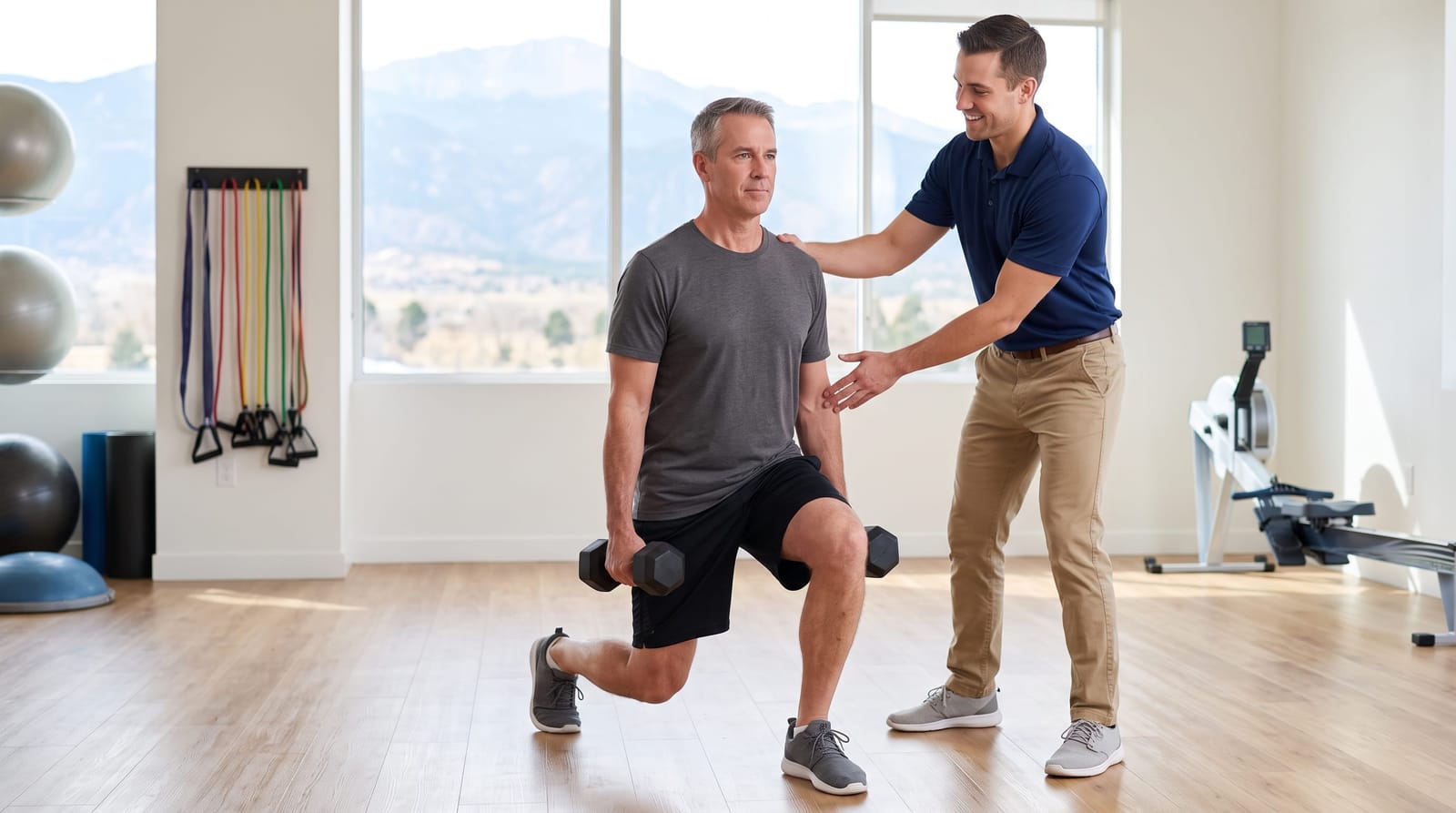
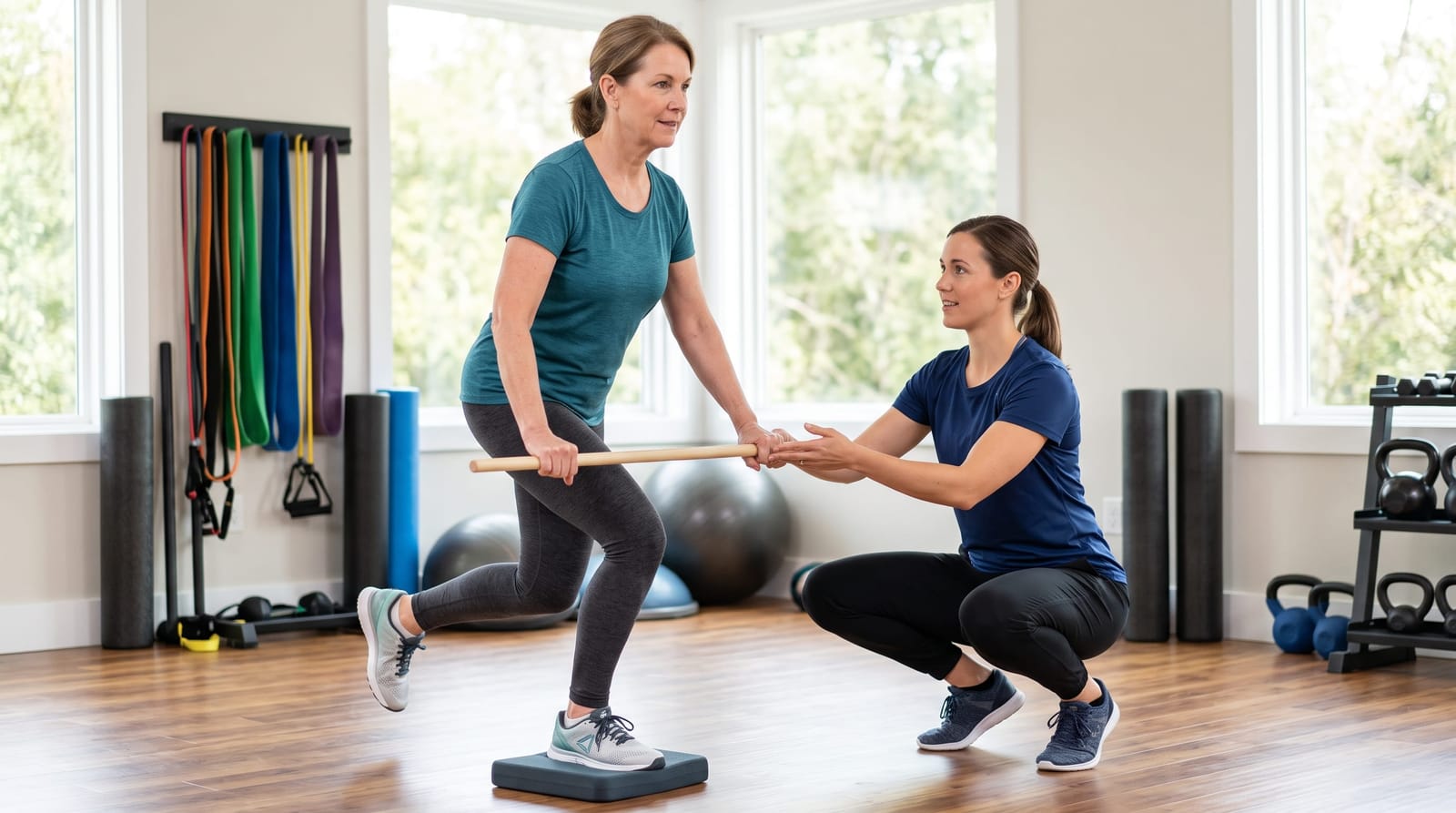
Private personal training addresses this directly. Sessions are scheduled around your calendar, the program adapts to how your body is responding week to week, and the focus is on sustainable progress rather than punishing workouts. Even two to three focused sessions per week, consistently maintained, can produce meaningful improvements in energy, sleep, and the body's overall stress response. For executives considering a structured approach to their own wellness, an executive wellness assessment Colorado Springs can help identify the right starting point based on your current fitness level and health priorities.
How Hyperbaric Oxygen Therapy Supports Recovery Under Pressure
One of the more significant physical costs of chronic executive stress is reduced recovery: both mental and physical. When your nervous system is operating in a near-constant state of heightened alert, your body struggles to shift into the restorative states it needs to repair tissue, consolidate memory, and regulate inflammation.
Hyperbaric Oxygen Therapy (HBOT) involves breathing concentrated oxygen in a pressurized chamber, which allows the body to absorb significantly higher levels of oxygen than normal breathing provides. This increased oxygen availability supports cellular repair, helps reduce systemic inflammation, and promotes the kind of deep physiological recovery that's difficult to achieve through rest alone when stress hormones remain elevated.
For executives in Colorado Springs, particularly those living and working at altitude, where oxygen availability is already somewhat reduced, HBOT offers a recovery tool that works with your body's natural repair processes. Sessions are passive, meaning you're resting during treatment, which makes them practical for busy schedules. Many clients incorporate HBOT on days between training sessions as part of a broader recovery strategy.
The Role of Therapeutic Massage in Resetting a Stress-Loaded Body
Massage therapy is often dismissed as a luxury, but for executives dealing with chronic stress, it functions as a genuine physiological intervention. Chronic stress produces sustained muscle tension, particularly in the neck, shoulders, upper back, and jaw: areas that tend to carry the physical imprint of prolonged mental load.
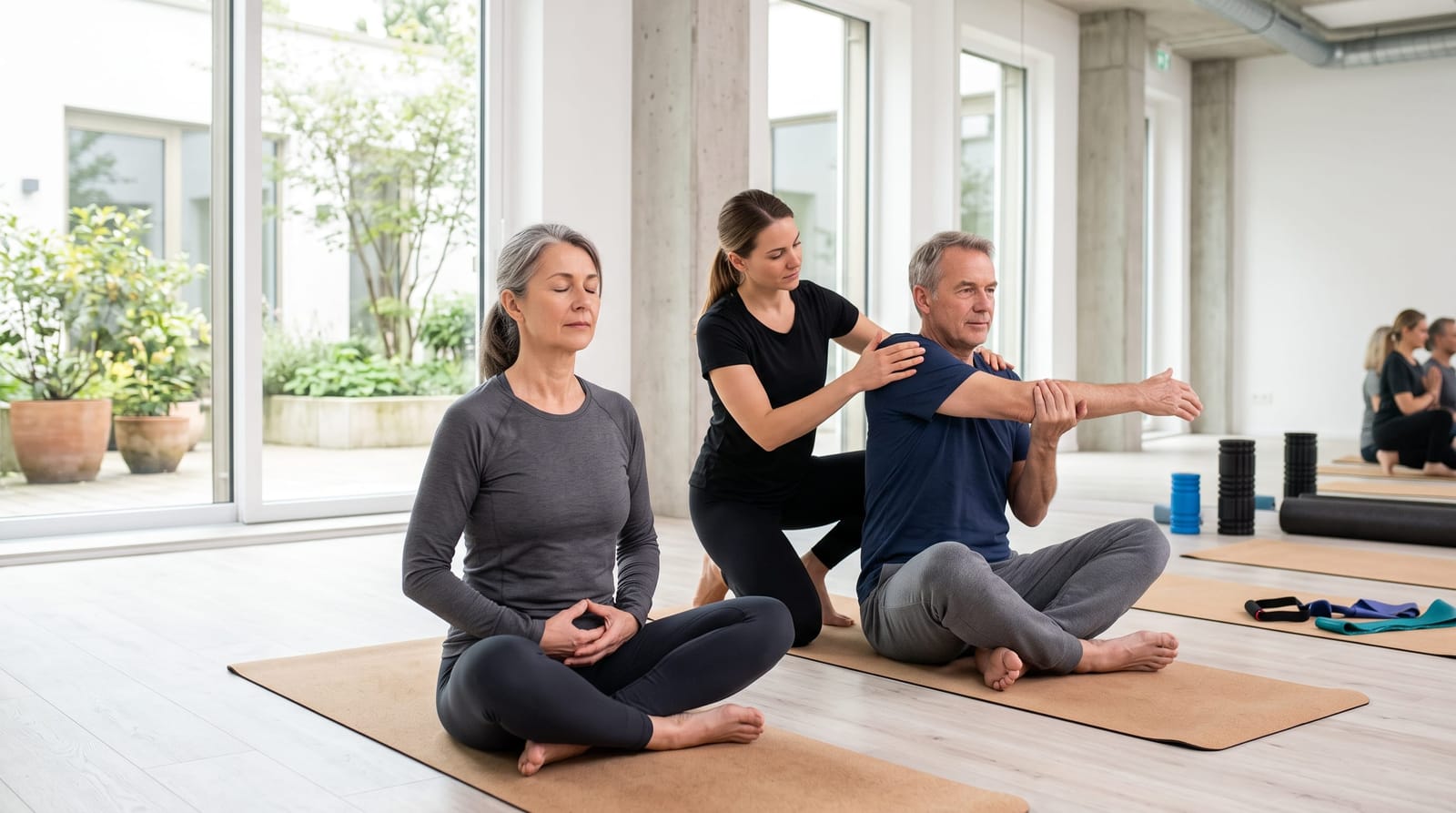
Therapeutic massage works directly on this accumulated tension, helping muscles release contraction patterns that have become habitual. Beyond the immediate physical relief, skilled massage also activates the parasympathetic nervous system, essentially the body's "rest and restore" mode, which counteracts the sustained sympathetic activation that defines chronic stress. Research indicates that even a single 60-minute massage session can reduce cortisol levels by an average of 30% while increasing serotonin and dopamine.
When massage is integrated into a regular wellness routine alongside personal training and recovery therapies, the cumulative effect is more substantial than any single modality alone. The body begins to spend more time in recovery states, tension doesn't accumulate to the same degree, and the physical markers of stress become more manageable over time.
Building a Sustainable Executive Wellness Routine in Colorado Springs
The most effective corporate wellness programs in Colorado Springs don't ask executives to make dramatic lifestyle overhauls. They work within the real constraints of demanding schedules to build consistent, sustainable practices that address the physical effects of stress methodically.
A practical executive wellness approach might look like:
- Two to three private training sessions per week focused on cardiovascular health, functional strength, and stress regulation: scheduled at times that fit your calendar reliably.
- One to two HBOT sessions per week on recovery days, supporting cellular repair and inflammation management without additional physical exertion.
- Regular therapeutic massage, bi-weekly or monthly depending on stress levels, to address accumulated muscular tension and support nervous system regulation.
- Consistent sleep prioritization, supported by the downstream effects of the above: regular exercise improves sleep architecture, HBOT promotes recovery, and massage reduces the cortisol spikes that disrupt rest.
The key is that these aren't isolated interventions: they work together as a system. Each element addresses different physical consequences of chronic stress, and their combined effect is meaningfully greater than any single approach in isolation.
Frequently Asked Questions
How quickly can exercise start to reduce the physical effects of chronic stress?
Many people notice improvements in sleep quality and energy levels within two to four weeks of consistent exercise. Longer-term changes to cardiovascular markers and body composition typically become more apparent over three to six months of sustained effort. The consistency of the routine matters more than the intensity of individual sessions.
Is HBOT safe for executives with busy schedules and limited downtime?
HBOT sessions are generally passive, you rest inside the chamber during treatment, making them well-suited for individuals who need recovery without adding physical exertion to their schedule. Sessions typically run 60 to 90 minutes. As with any wellness service, it's appropriate to discuss your health history with the team before starting.
How is private personal training different from a regular gym membership for stress management?
Private training provides consistent structure, accountability, and programming that adapts to how your body is responding over time. For executives, the scheduling flexibility and personalized attention make it significantly easier to maintain consistency, which is the single most important factor in achieving the stress-regulating benefits of regular exercise.
Can massage therapy alone help with the physical effects of executive stress?
Massage is a meaningful component of stress management, but it works best as part of a broader wellness routine. Used in combination with regular exercise and recovery therapies, massage helps reinforce the physiological shifts those other modalities are building: rather than carrying the full load on its own.
The Bottom Line for Colorado Executives
Chronic stress creates real, measurable physical consequences: elevated cardiovascular risk, disrupted sleep, immune suppression, and accumulated tension that compounds over time. But these effects aren't inevitable, and they don't require dramatic interventions to address. A structured, consistent approach combining personal training, HBOT, and therapeutic massage works directly against each of these mechanisms in practical, sustainable ways. This is the foundation of what thoughtful corporate wellness programs in Colorado Springs can offer executives who are ready to invest in their long-term health and performance.