Top Couple Fitness Goals to Set Before Starting a Training Program Together
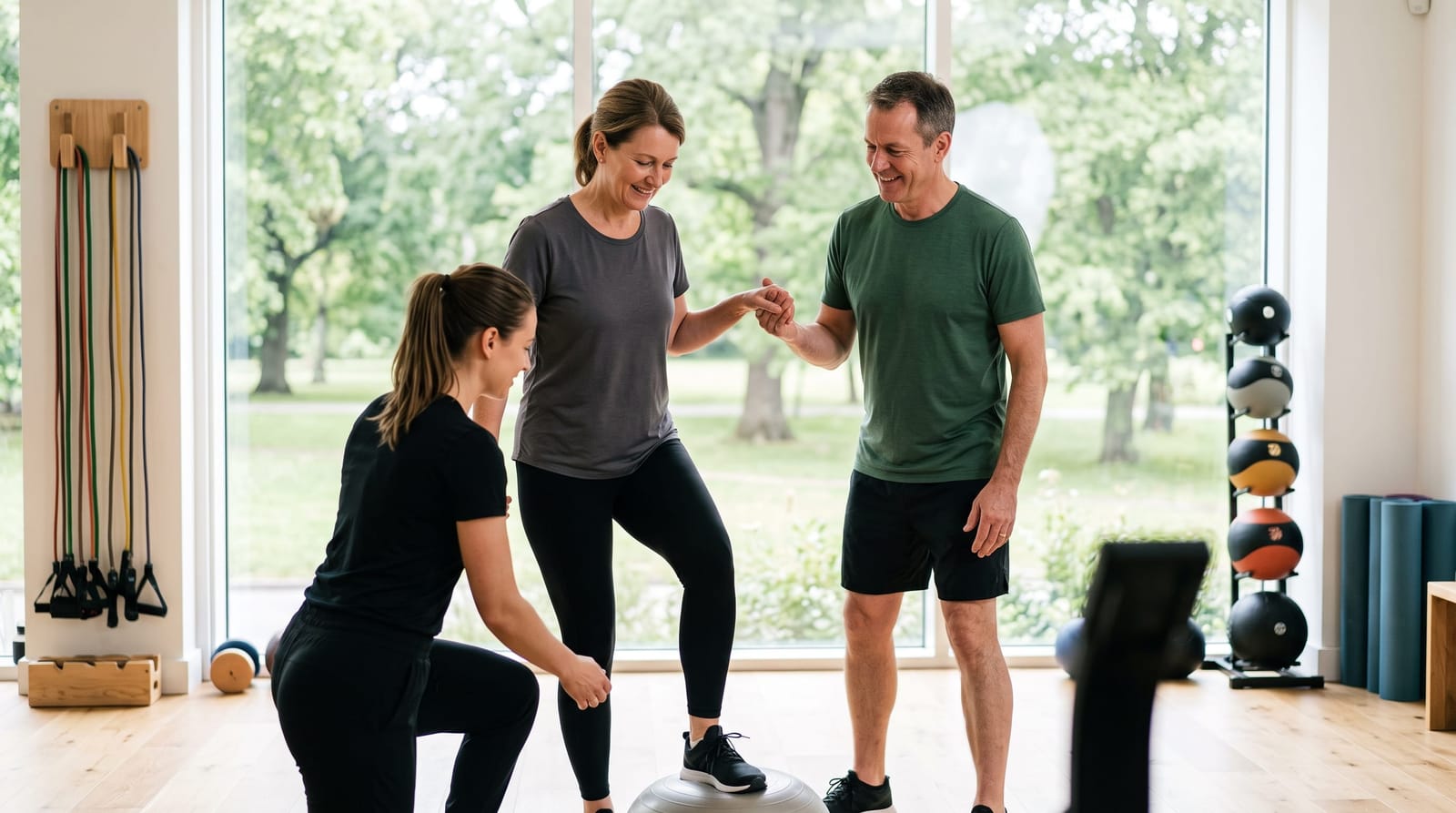
Starting a couples personal training program in Colorado Springs is an exciting step, but showing up without a clear direction can make even the best intentions fall flat. Research consistently shows that people who set specific goals before beginning a fitness program are significantly more likely to stick with it long-term. Before you and your partner ever step into the gym together, taking 30 to 60 minutes to map out what you each want, and what you want together, can make a meaningful difference in how your training unfolds.
Why Goal-Setting Matters Before You Begin
Most couples who train together are surprised to discover how different their individual priorities actually are. One partner may want to build functional strength for weekend hiking trips. The other might be focused on improving energy levels during a demanding work week. Neither goal is wrong, but without surfacing those differences early, it's easy for one person to feel like the program isn't really built for them.
Studies suggest that couples who exercise together report up to 34% greater adherence to their fitness routines compared to those who train separately. That's a meaningful advantage, but only when both partners feel genuinely invested. A shared goal-setting conversation before your first session creates alignment, reduces friction, and gives your trainer the information they need to design a program that works for both of you from day one.
Think of goal-setting not as paperwork, but as the foundation your entire program is built on. The clearer your goals, the more efficiently your trainer can customize your sessions, adjust intensity, and measure meaningful progress along the way.
Individual Goals vs. Shared Goals: You Need Both
One of the most important distinctions to make before starting is the difference between your individual goals and your shared goals as a couple. Both matter, and a well-designed couples training program will honor both simultaneously.
Individual goals reflect what each person wants to achieve for themselves. These might include:
- Improving balance and stability
- Building upper body or core strength
- Increasing cardiovascular endurance
- Moving with less discomfort during daily activities
- Gaining confidence in the gym environment
Shared goals reflect what you want to accomplish or experience together. These often include:
- Completing a physical challenge like a trail hike or charity walk
- Establishing a consistent weekly movement habit
- Improving overall energy so evenings and weekends feel more active
- Building a shared routine that fits your lifestyle as busy professionals
When both types of goals are clearly defined, your trainer can design sessions that develop each person's individual strengths while also moving the couple forward as a unit. This balance is what makes couples training more effective than simply working out side by side.
Short-Term Milestones and Long-Term Vision
Sustainable fitness progress happens in layers, and your goals should reflect that. Before your first session, think about two time horizons: what does success look like in the next 8 to 12 weeks, and where do you want to be in 6 to 12 months?
Short-term milestones give you something concrete to work toward early on. These keep motivation high during the adjustment phase, when a new routine can still feel unfamiliar. Examples of realistic short-term goals include:
- Completing two to three training sessions per week consistently
- Improving posture and body awareness during foundational movements
- Noticing improved sleep quality or daily energy within the first month
- Building familiarity and confidence with basic strength training exercises
Long-term goals connect your training to the life you actually want to live. A couple in their 40s or 50s might envision being able to keep up with their grandchildren someday, travel without physical limitations, or maintain the independence and vitality that lets them enjoy their careers and hobbies well into later decades. These bigger-picture goals are what give meaning to the consistency required in any good training program.
Share both horizons with your trainer. Knowing what you're working toward, both near and far, allows them to pace your program appropriately and celebrate meaningful progress along the way.
Lifestyle Activities That Shape Your Goals
One of the most overlooked elements of goal-setting is connecting your training to the lifestyle you already enjoy, or want to enjoy more fully. Fitness isn't just about what happens inside a gym. It's about how you move through your everyday life together.
Ask yourselves: What activities do we want to do better, longer, or with more ease? Common answers from couples include:
- Hiking Colorado's trails without fatigue or joint discomfort
- Skiing or cycling together with more endurance and control
- Keeping up with an active social life without feeling wiped out
- Carrying groceries, traveling comfortably, or doing home projects without strain
- Playing actively with children or grandchildren
These lifestyle-based goals give your trainer a functional picture of what fitness means to you as a couple, not just on paper, but in real life. From there, they can prioritize movements and progressions that directly support the activities you care about most. This is especially valuable in a private training environment, where sessions can be fully customized rather than built around a one-size-fits-all formula.
As noted in couples fitness relationship benefits Colorado Springs, training together can strengthen your bond well beyond physical results, and the activities you choose to pursue together often reinforce that connection long after each session ends.
How to Communicate Your Goals Effectively to Your Trainer
Having great goals is only useful if your trainer actually knows what they are. Here's how to communicate clearly so your first session starts with full context:
Be honest about your starting point. Share where you each are right now: fitness experience, activity level, energy, and any limitations you're navigating. A skilled trainer won't judge your starting point. They need it to build the right foundation.
Speak up about what matters most to each of you. Don't assume your trainer will guess your priorities. If one of you is more focused on endurance and the other on strength, say so directly. The more specific you are, the more targeted your program can be.
Mention what hasn't worked before. If either of you has tried and abandoned fitness routines in the past, share what made it difficult. This information is genuinely valuable and helps your trainer avoid the same pitfalls.
Ask questions. A strong trainer-client relationship is collaborative. Before your sessions begin, ask how progress will be measured, how intensity will be adjusted for each partner, and what success looks like over your first few months together.
Frequently Asked Questions
What if my partner and I have completely different fitness goals?
This is more common than you might expect, and it's entirely manageable. A qualified couples personal trainer is experienced in designing sessions that address each person's individual priorities while also building shared momentum. The key is communicating both sets of goals clearly upfront so the trainer can structure the program accordingly.
How many goals should we bring to our first training session?
Aim for one to three focused goals per person, plus one or two goals you share as a couple. More than that can dilute your focus and make it harder to measure meaningful progress. Prioritize what matters most right now: additional goals can always be added as your program evolves.
Should our goals be fitness-specific, or can they be more lifestyle-based?
Both are equally valuable. Lifestyle-based goals, like hiking a specific trail or having more energy on weekends, are often more motivating than abstract fitness metrics. Sharing these real-life aspirations helps your trainer build a program that connects directly to the life you want to live together.
How often should couples revisit their fitness goals during a training program?
A good rule of thumb is to check in on your goals every four to six weeks. This gives you enough time to make measurable progress before evaluating, and it creates natural touchpoints to adjust, celebrate wins, or introduce new challenges as your fitness develops.
Start Your Program With Clarity and Confidence
Taking the time to define your individual goals, your shared vision, and the lifestyle activities you want to support is one of the smartest things you can do before stepping into your first couples training session. It saves time, builds alignment, and gives your trainer the information they need to make every session count. Whether you're brand new to structured fitness or returning after a long break, thoughtful goal-setting is what turns good intentions into lasting results. For couples in Colorado Springs exploring couple fitness goals and personal training, starting with this kind of clarity sets the tone for everything that follows.