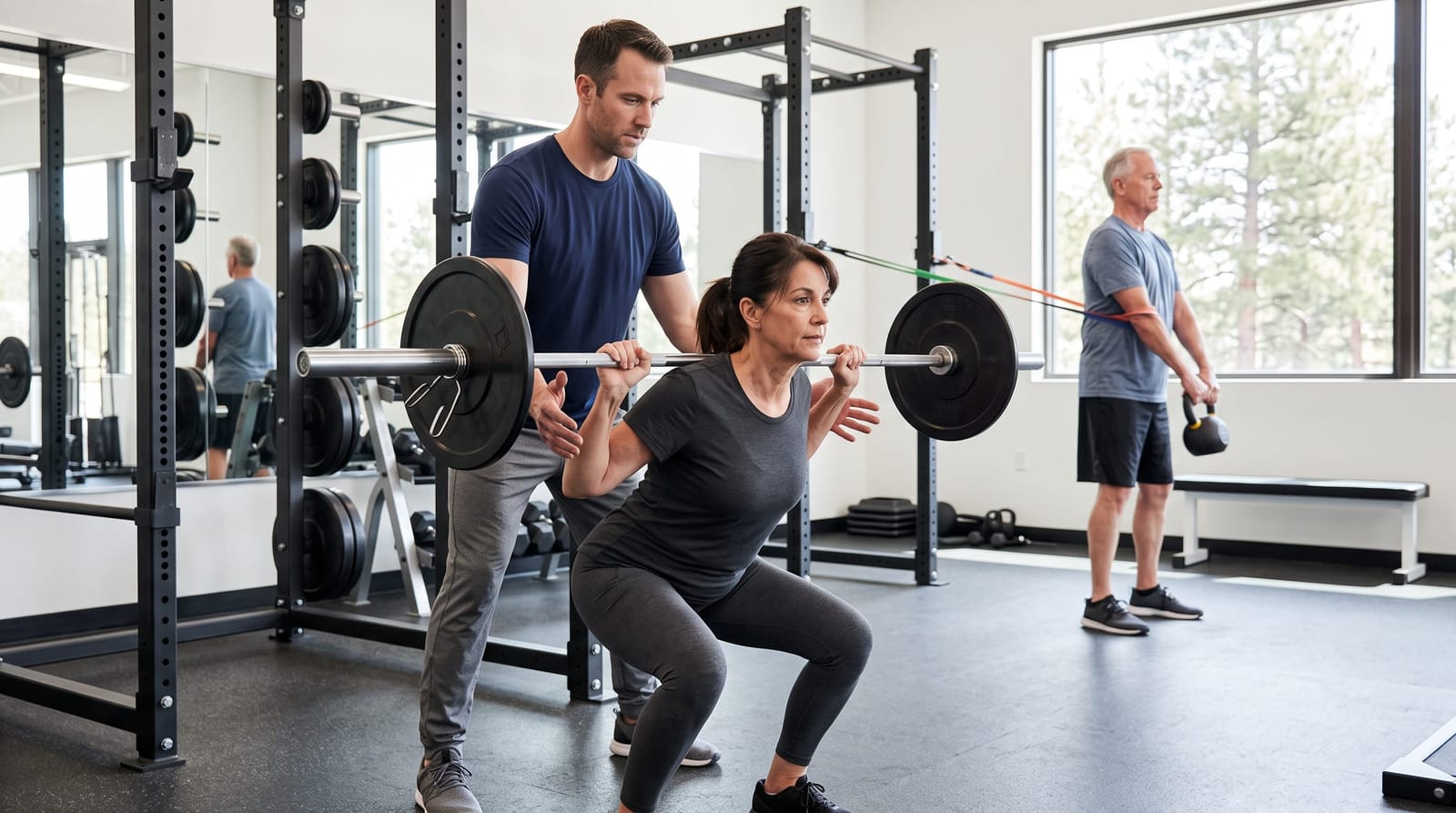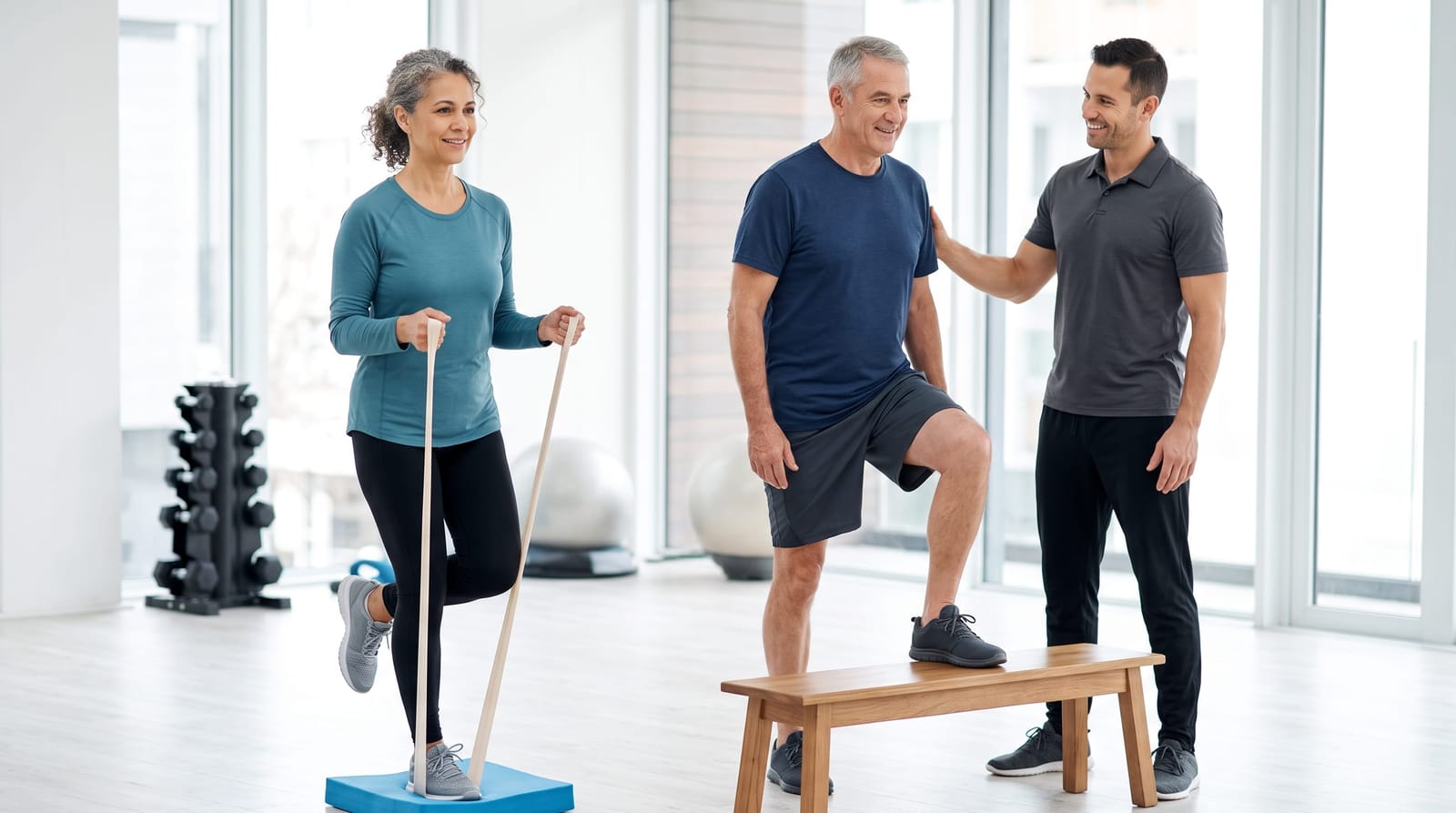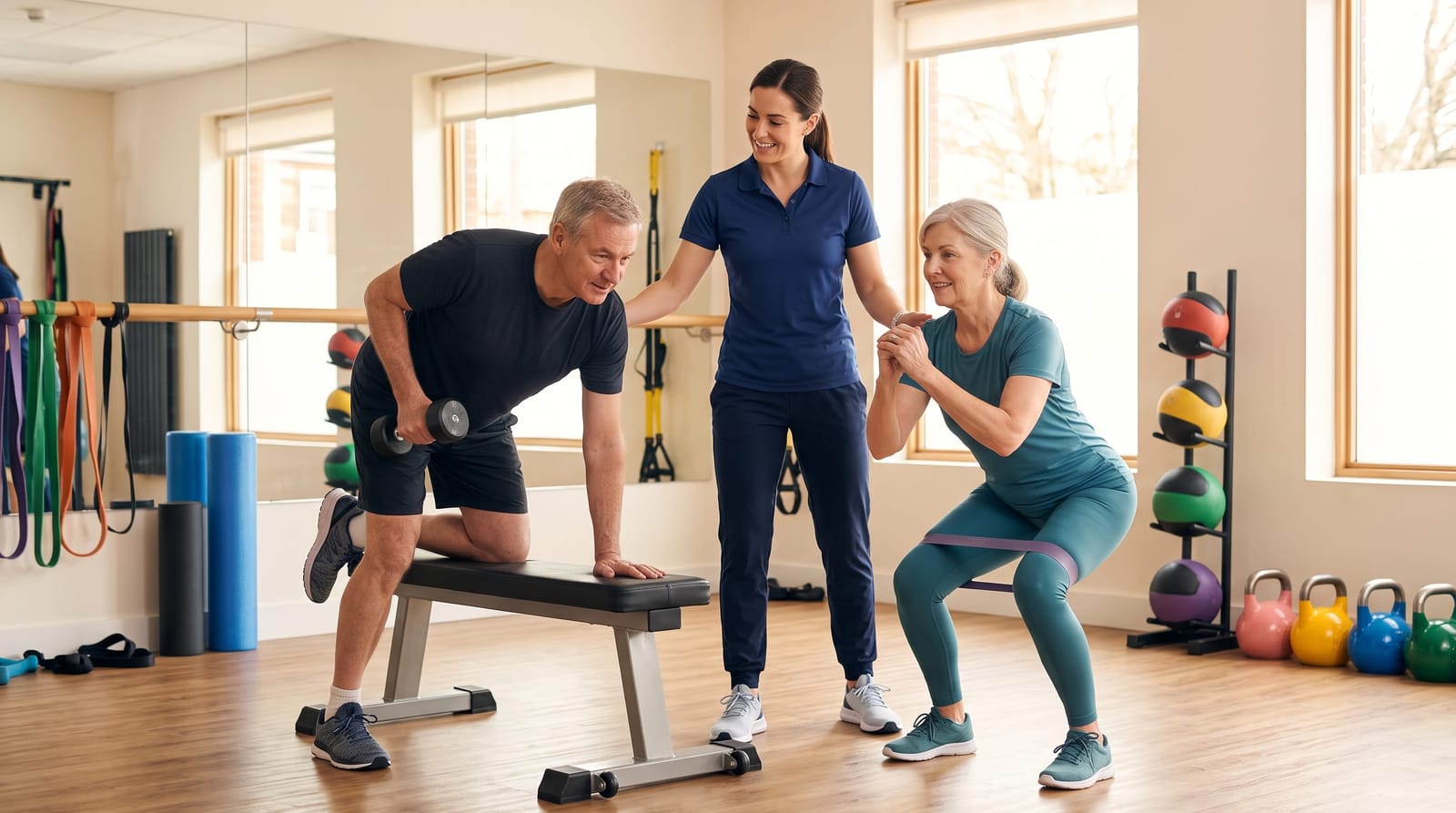
The Science Behind Why Couples Who Train Together Get Better Results

If you've ever wondered whether working out with your partner is actually more effective than going it alone, the research offers a compelling answer. Across the broader conversation about couples personal training in Colorado Springs, one theme rises to the surface consistently: shared fitness pursuits tend to produce stronger, more lasting results than solo efforts. But this isn't just anecdotal: there's meaningful behavioral and psychological science supporting why training together works so well. Whether you and your partner are just beginning your fitness journey or looking to reinvigorate an existing routine, understanding the "why" behind partner-based training can help you both commit with greater confidence and intention.
Accountability Changes Everything
One of the most well-documented factors in fitness success isn't programming, equipment, or even genetics: it's accountability. When you're responsible only to yourself, it's easy to rationalize skipping a session, cutting a workout short, or letting a busy week derail your consistency. But when someone else is counting on you to show up, the calculus changes entirely.
Research from Dominican University found that individuals who set goals independently achieve success approximately 43% of the time. Add an accountability partner to the equation, and that number jumps to 76%. That's not a marginal improvement: it's nearly double the success rate, driven almost entirely by the social contract created between two people who are invested in each other's progress.
For professional couples, those navigating demanding careers, full schedules, and the ongoing challenge of carving out time for themselves, this accountability factor is especially meaningful. When both partners have committed to a shared training schedule, canceling becomes a decision that affects two people, not one. That shared stake makes it significantly harder to deprioritize fitness when life gets busy, which it inevitably does.
The Commitment Device Effect
Behavioral economists describe something called a "commitment device": a choice made in advance that binds future behavior. Scheduling couples training sessions functions as exactly that. When you and your partner book time with a trainer together, you've both made a forward-facing commitment that carries real social weight. This is particularly effective for high-achieving, goal-oriented individuals who are accustomed to keeping their commitments in other areas of life.
Motivation That Sustains Itself
There's a meaningful difference between motivation that gets you started and motivation that keeps you going. The first kind is easy to find: a new year, a milestone birthday, a vacation on the horizon. The second kind is harder to cultivate and far more valuable. Training with a partner is one of the most reliable ways to develop sustained motivation over time.
When you work out alongside someone whose progress you care about, you naturally become invested in more than just your own results. You celebrate their improvements. You notice when they push through a difficult set. You feel a quiet pride when they hit a goal they've been working toward. That emotional engagement creates a motivational feedback loop that solo training simply can't replicate.
The Ripple Effect of Shared Wins
Goal psychology tells us that people are more motivated when their efforts produce visible, meaningful outcomes for others, not just themselves. When couples train together, each partner's progress becomes a shared win. A milestone achieved by one person energizes the other. This ripple effect keeps both individuals engaged and invested in showing up, even on days when personal motivation might be running low.
This dynamic is especially powerful when both partners bring high standards to other areas of their lives. The same drive that makes someone effective in business or leadership translates directly into training, and having a partner who shares those standards reinforces the expectation of consistency and effort.
Adherence Rates and the Long Game
Starting a fitness routine is easy. Maintaining it for months and years, through busy seasons, travel, stressful periods, and life changes, is where most people struggle. Adherence is the fitness industry's most persistent challenge, and it's where partner-based training shows some of its most significant advantages.
Studies on exercise behavior consistently show that people who work out with a partner adhere to their programs at higher rates than those training alone. The social element introduces an enjoyment factor that makes the experience feel less like obligation and more like a meaningful shared activity. Over time, training sessions become something couples look forward to together: a consistent, positive ritual in a busy life rather than another item on an already long to-do list.
Building Identity Around Shared Habits
One of the reasons partner-based training improves adherence is that it begins to shape how couples see themselves. When fitness becomes a shared identity, something you do together as a couple, it takes on a different kind of permanence. It's no longer just a habit one person is trying to build; it becomes a part of how you function as a partnership. That identity shift is one of the most durable forms of motivation available, because it doesn't depend on willpower alone.
For couples who are already aligned in their personal and professional values, fitness becomes one more domain where they operate as a team. That alignment tends to deepen over time rather than diminish, which is why so many couples who commit to training together find it becomes one of the most consistent parts of their week, year after year.
The Psychology of Shared Goals
Goal-setting is more effective when goals are specific, meaningful, and connected to something larger than yourself. When couples establish fitness goals together, both of these conditions are met. The goal belongs to both of you, which gives it greater emotional weight. And because you're working toward something alongside someone you care about, the stakes feel higher, in the best possible way.
Before beginning a training program together, taking the time to thoughtfully set couple fitness goals for personal training in Colorado Springs is one of the most valuable investments you can make. Couples who enter training with clear, mutually owned goals tend to make faster progress and sustain it longer, because they're both pulling in the same direction from day one.
Complementary Motivation Styles
Interestingly, partners don't need to be motivated by the same things for shared training to be effective. One partner might be driven by performance benchmarks: lifting more, moving faster, recovering better. The other might be motivated by how they feel, their energy levels, or their ability to keep up with an active lifestyle. These different motivation styles are not a barrier to training together; they're actually an asset. Each partner brings a different perspective that enriches the experience and rounds out the program.
A skilled trainer working with a couple learns to speak to both of these motivational orientations simultaneously, designing sessions that feel meaningful and purposeful for each individual even while both are training in the same space at the same time.
Emotional Well-Being and the Social Dimension of Fitness
Beyond the measurable outcomes, strength, endurance, mobility, training with a partner adds a social and emotional dimension to exercise that profoundly affects how the experience feels. Physical activity already supports mood and mental clarity. Add the experience of doing something meaningful alongside a person you're close to, and those effects are amplified.
Couples who train together often describe their sessions as one of the few times in a busy week when they're genuinely present with each other: focused on a shared task, free from screens and obligations, and experiencing something physically and emotionally engaging together. That quality of shared presence is rare and valuable. It's one of the reasons why training together can actually strengthen your relationship as well as your body: a connection that goes well beyond physical fitness.
Navigating Different Starting Points Without Friction
One common concern couples raise is whether they can train together effectively if they're at different fitness levels. The short answer is yes, and a qualified trainer makes all the difference. Understanding how couples personal training is customized for two different fitness levels is key to approaching shared training with realistic expectations and mutual confidence. A well-designed couples program ensures that neither partner is held back nor pushed beyond their current capacity: both individuals progress at a pace that's appropriate and effective for them.
Related Topics Worth Exploring
The science of partner-based training connects to a range of specific topics that are worth exploring in greater depth as you build your approach to training together:
- How fitness goals shape relationship dynamics: Understanding the connection between shared physical challenges and relationship satisfaction helps couples approach training with the right mindset and realistic expectations.
- Setting goals before you begin: The process of identifying and aligning on fitness goals before your first session can significantly improve how quickly and sustainably you both make progress.
- Customization for two: Every couple brings different physical histories, strengths, and starting points. The structure of a well-designed couples program accounts for this and turns it into an advantage rather than a challenge.
Bringing the Science Into Your Training
Understanding why training with a partner works is only part of the picture. The real value comes from putting that understanding to work in a structured, well-guided program designed specifically for two people with distinct needs and shared goals. The behavioral advantages of partner training, accountability, motivation, adherence, shared goal psychology, don't happen automatically. They develop within a framework that supports both individuals and evolves as your fitness progresses.
At Total Body Works, couples personal training is built around exactly that kind of intentional, personalized structure. Sessions are private, focused, and designed to deliver results for both partners simultaneously, without comparing, competing, or compromising either person's progress.
If you and your partner are ready to experience the benefits of training together in a professional, supportive environment, we'd love to start the conversation. Reach out to learn more about how couples personal training in Colorado Springs could work for you, and take the first step toward building something meaningful together.